

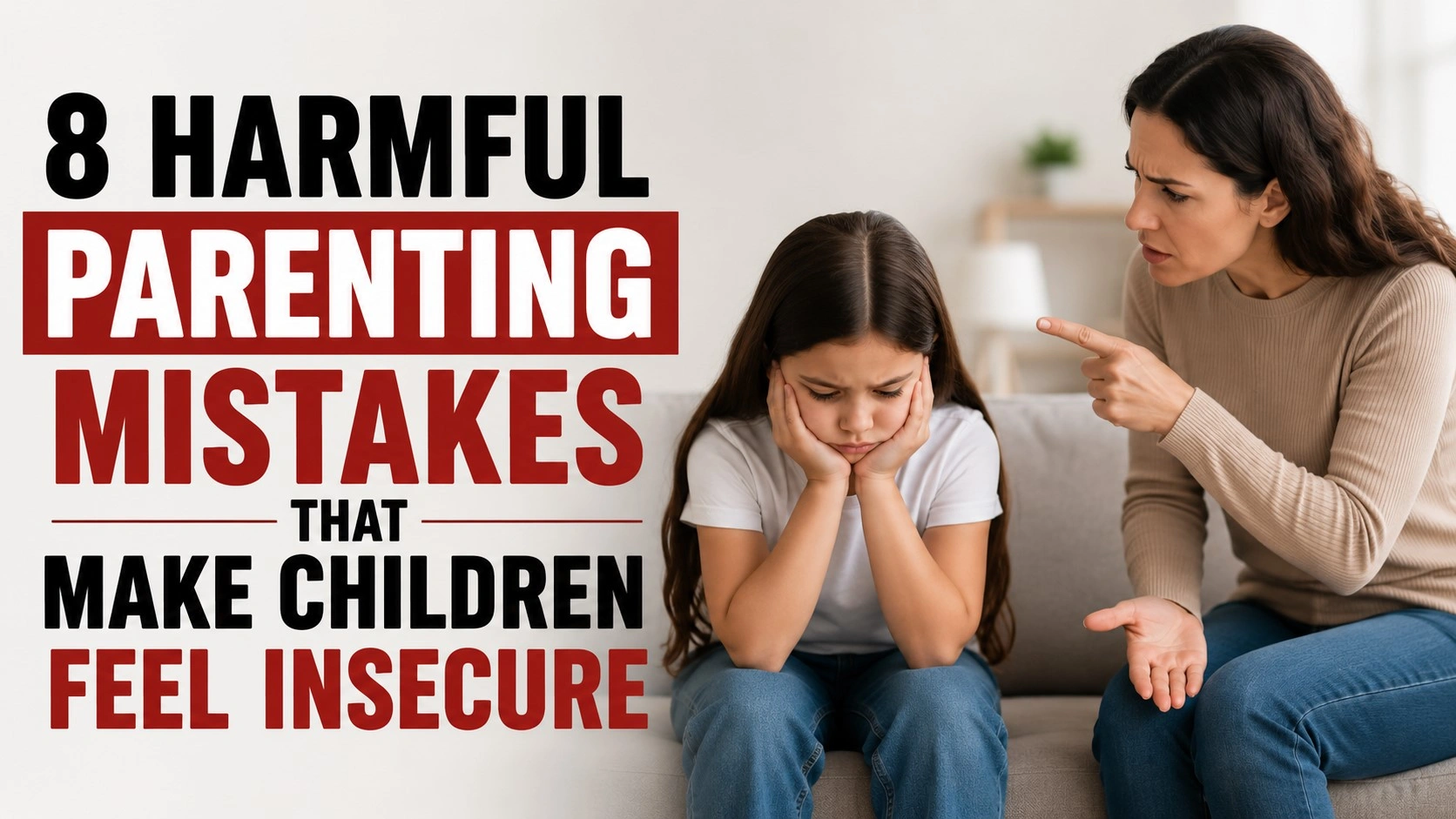
Every parent wants their child to grow into a happy, confident, and emotionally strong individual. Yet many common parenting mistakes unknowingly create fear, anxiety, and low self-esteem in children. Sometimes, even actions done out of love and protection can lead to child insecurity and emotional struggles later in life.
A child’s confidence is shaped largely by the environment at home. The words parents use, the way emotions are handled, and daily parenting habits all influence how children see themselves. When children constantly feel criticized, ignored, compared, or controlled, they begin doubting their worth. Over time, these experiences can create emotionally insecure children who struggle with confidence, relationships, and decision-making.
The good news is that awareness can change everything. By identifying these harmful parenting mistakes, parents can build healthier emotional connections and raise secure, emotionally healthy children.
Let’s explore the most common parenting patterns that hurt a child’s confidence and how to avoid them.
1. Constantly Criticizing the Child
One of the most damaging toxic parenting behaviors is constant criticism. Many parents believe criticism motivates children to improve, but excessive negativity often creates fear and self-doubt instead.
Children who repeatedly hear things like:
“Why can’t you do anything properly?”
“Look how much better others are.”
“You always make mistakes.”
begin to believe these labels about themselves.
Criticism attacks a child’s identity instead of correcting behavior. Over time, children stop trying new things because they fear failure and rejection.
Healthy Alternative
Correct behavior gently without attacking personality. Instead of saying:
“You are careless,”
say:
“Let’s figure out how to do this better next time.”
Encouragement builds confidence far more effectively than criticism.
Design Your Destiny
Your parenting shapes not only your child’s future but also the emotional energy within your family. Start your journey toward conscious parenting, emotional healing, and personal transformation with our Design Your Destiny program. Learn powerful techniques to build healthier relationships, emotional awareness, and inner peace for both parents and children.
Start Your Journey!2. Comparing Children With Others
Comparison is another major parenting mistake that damages self-esteem in kids. Whether it’s comparing grades, appearance, talents, or behavior, children often interpret comparisons as:
“I am not good enough.”
Statements like:
“Look at your cousin.”
“Why can’t you be like your brother?”
“Other kids are more disciplined.”
create feelings of inadequacy.
Every child develops differently. Comparison teaches children to seek validation externally rather than appreciating their own strengths.
Healthy Alternative
Focus on the child’s personal growth instead of comparing them with others. Celebrate effort, improvement, and individuality.
Children gain confidence when they feel accepted for who they are.
3. Overprotective Parenting
Many parents confuse protection with control. While safety is important, excessive protection prevents children from developing independence and resilience.
Overprotective parenting often:
Limits decision-making
Prevents problem-solving
Creates fear of failure
Makes children emotionally dependent
Children raised in overly controlled environments may struggle with confidence because they never learn to trust themselves.
Healthy Alternative
Allow children to take age-appropriate risks and make small decisions independently. Confidence grows when children experience challenges and learn they can overcome them.
Mistakes are part of emotional development.
4. Ignoring a Child’s Emotions
One of the hidden harmful parenting mistakes is dismissing emotions. Many children hear:
“Stop crying.”
“You’re overreacting.”
“It’s not a big deal.”
While parents may intend to calm the child, emotional invalidation teaches children that their feelings are unimportant.
This can lead to:
Emotional insecurity
Difficulty expressing emotions
Anxiety and emotional suppression
Low emotional intelligence
Children need emotional safety to develop confidence and trust.
Healthy Alternative
Acknowledge emotions calmly:
“I understand you’re upset.”
“Tell me how you feel.”
Listening without judgment helps children feel emotionally secure.
5. Fear-Based Parenting
Using fear as a parenting tool may create obedience temporarily, but it damages emotional security long-term.
Fear-based parenting includes:
Excessive punishment
Threatening children
Yelling constantly
Using shame or humiliation
Children raised in fear often become anxious, withdrawn, or emotionally reactive. Instead of learning responsibility, they focus on avoiding punishment.
Healthy Alternative
Use calm discipline and open communication. Teach consequences instead of creating fear.
Respectful parenting encourages emotional strength and trust.

6. Controlling Every Aspect of a Child’s Life
Children need guidance, but excessive control can make them emotionally weak and insecure.
Controlling parenting behaviors include:
Making every decision for the child
Choosing all hobbies and interests
Monitoring excessively
Not allowing personal opinions
Children who lack independence may struggle with:
Confidence
Decision-making
Identity development
Social anxiety
Healthy Alternative
Give children opportunities to express themselves and make choices. Even small decisions help children build confidence and self-trust.
Independence is essential for healthy emotional growth.
7. Withholding Affection and Appreciation
Some parents believe affection makes children weak or spoiled. As a result, they rarely express appreciation, praise, or emotional warmth.
But emotional connection is one of the strongest foundations of confidence.
Children who rarely hear:
“I’m proud of you.”
“I love you.”
“You did well.”
may grow up constantly seeking validation from others.
Healthy Alternative
Show affection openly through words, attention, encouragement, and quality time.
Children who feel emotionally valued develop stronger self-esteem and emotional security.

8. Expecting Perfection From Children
Perfectionism creates constant pressure. Children who feel they must always succeed may become anxious, fearful, and emotionally exhausted.
Parents sometimes unintentionally communicate:
“Mistakes are unacceptable.”
“Your worth depends on performance.”
This mindset can create:
Fear of failure
Low confidence
Anxiety disorders
Emotional burnout
Healthy Alternative
Teach children that mistakes are normal and growth matters more than perfection.
Confidence comes from learning, trying, and improving and not from being flawless.
How Parenting Affects Child Confidence
A child’s inner voice is often shaped by parental communication. The way parents react to success, failure, emotions, and behavior directly impacts emotional development.
Healthy parenting helps children develop:
Emotional resilience
Positive self-esteem
Social confidence
Mental strength
Emotional security
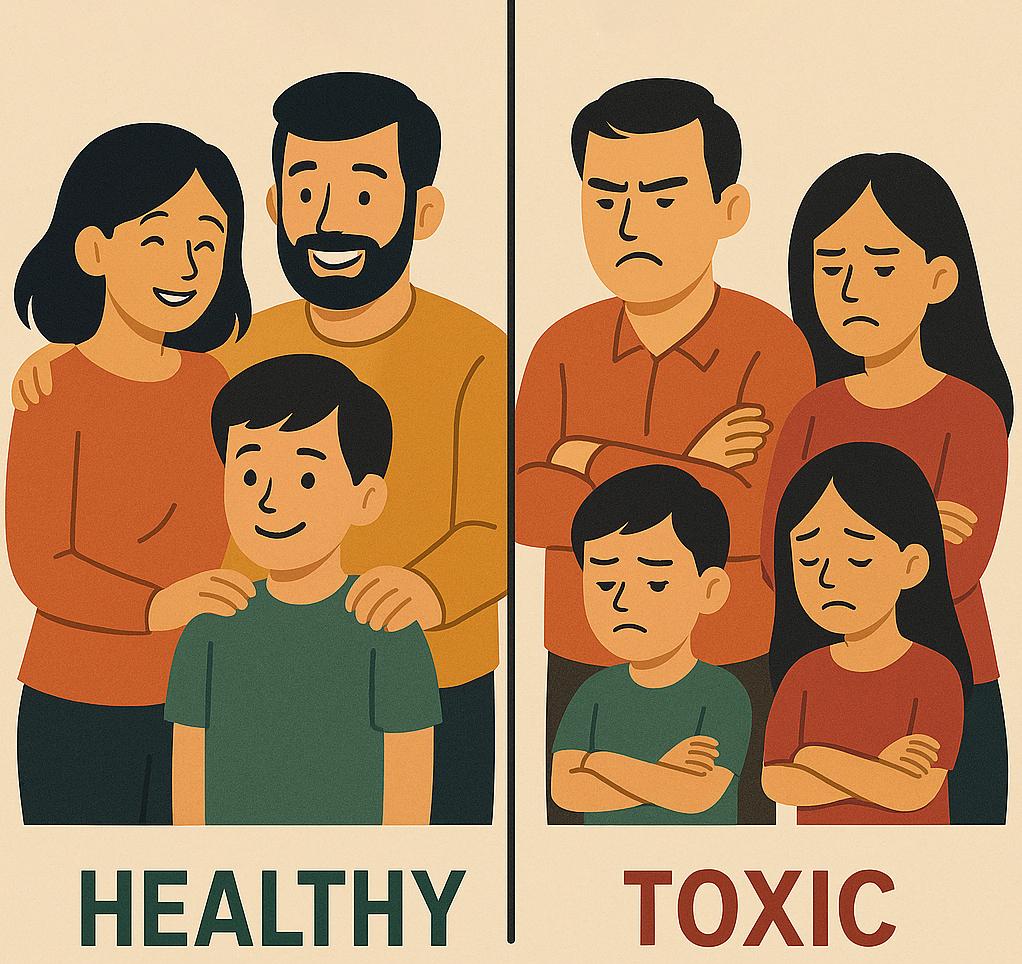
On the other hand, toxic parenting patterns can create lifelong emotional wounds.
The goal of parenting is not perfection but it is emotional connection, understanding, and guidance.
Signs of an Emotionally Insecure Child
Children struggling with insecurity may show signs such as:
Fear of making mistakes
Constant need for approval
Difficulty expressing emotions
Social withdrawal
Low self-confidence
Anxiety around failure
Overthinking small situations
Recognizing these signs early helps parents provide emotional support before insecurity deepens.
Healthy Parenting Habits That Build Confidence
If parents want to raise emotionally strong children, these habits can help tremendously:
Encourage Open Communication
Allow children to express feelings without fear.
Praise Effort, Not Just Results
Focus on hard work and progress.
Teach Problem-Solving
Guide children instead of solving everything for them.
Model Emotional Regulation
Children learn emotional behavior from parents.
Spend Quality Time Together
Emotional connection builds security and trust.
Respect Their Individuality
Every child has different strengths and personalities.
Raising Confident Children in Today’s World
Modern parenting comes with many pressures like academics, social media, competition, and societal expectations. But confidence does not come from perfection, popularity, or constant achievement.
Children become emotionally strong when they:
Feel heard
Feel safe
Feel accepted
Feel supported
The most confident children are not those who never fail. They are the ones who know their worth even after failure.
Healthy parenting is about helping children believe:
“I am loved.”
“I matter.”
“I can grow.”
Those beliefs shape emotionally secure adults.
Parenting mistakes happen to everyone. No parent is perfect. What matters most is awareness, growth, and willingness to change unhealthy patterns.
Avoiding harmful parenting mistakes like criticism, comparison, emotional invalidation, overprotection, and fear-based discipline can significantly improve a child’s emotional health and confidence.
Children thrive in environments filled with empathy, communication, encouragement, and emotional safety.
The words and actions parents choose today shape the confidence children carry for the rest of their lives.
Personal Session
Struggling with parenting challenges, emotional stress, or family conflicts? Book a personal session for personalized guidance on conscious parenting, emotional healing, and creating a positive environment that helps children grow into emotionally secure and confident individuals.
Book Now