
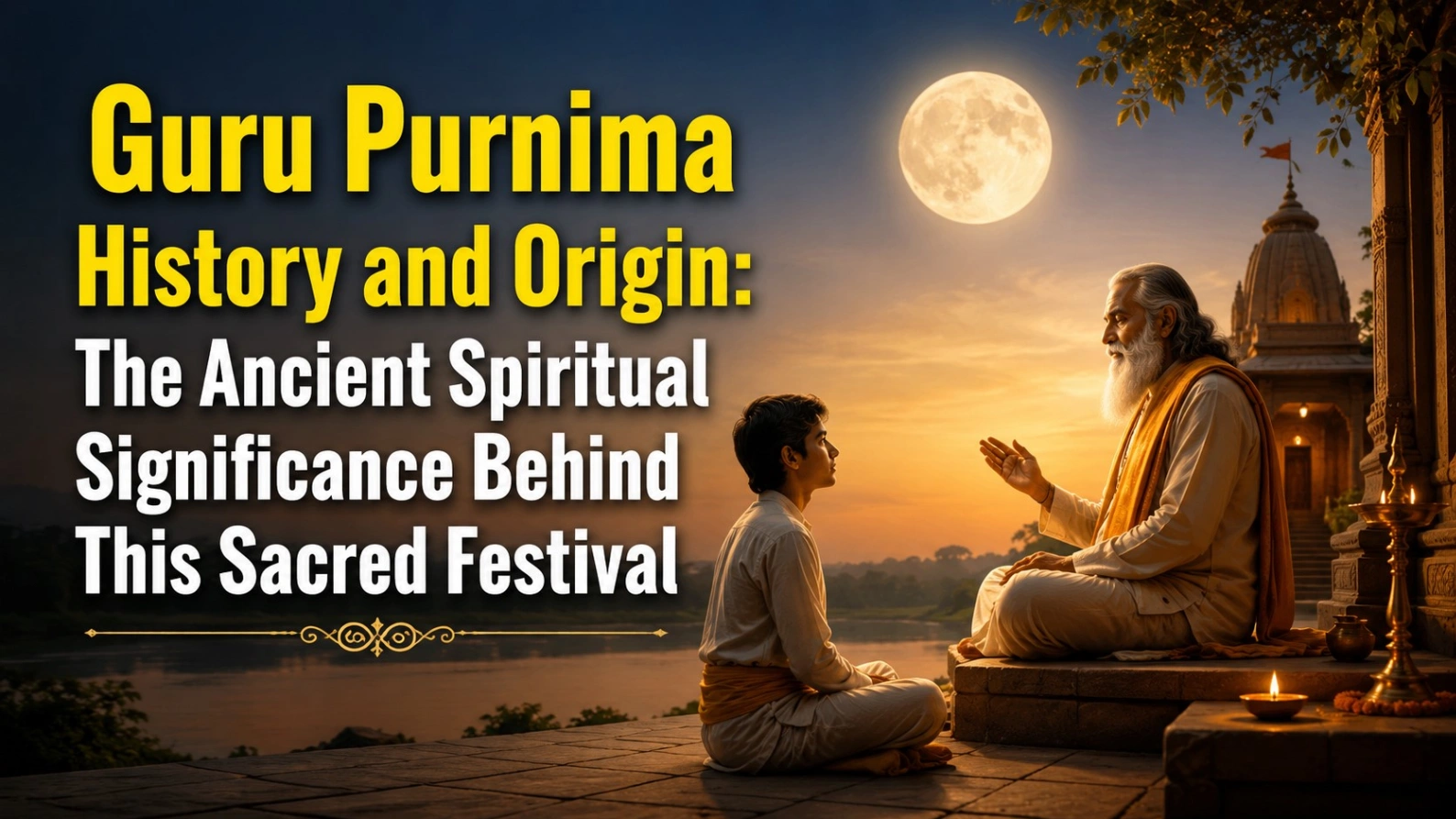
Guru Purnima history and origin go far beyond a simple festival date on the Hindu calendar. This sacred day carries centuries of spiritual meaning, devotion, gratitude and reverence for the guiding light called the Guru. In Indian culture, a Guru is not only a teacher who shares information. A Guru is someone who removes darkness, awakens wisdom and helps a person move from confusion to clarity.
Guru Purnima is celebrated every year on the full moon day, or Purnima, in the Hindu month of Ashadha, which usually falls in June or July. In 2026, Guru Purnima will be observed on Wednesday, July 29, 2026. For New Delhi, the Purnima Tithi begins at 6:18 PM on July 28, 2026, and ends at 8:05 PM on July 29, 2026.
This festival is also known as Vyas Purnima because it is traditionally associated with Maharishi Ved Vyasa, one of the most respected sages in Indian spiritual history. He is remembered for his immense contribution to Vedic knowledge and is traditionally credited with composing or compiling the Mahabharata. For this reason, Guru Purnima is not just a day of celebration. It is a day to remember the source of wisdom, the value of spiritual discipline and the sacred bond between Guru and disciple.
What Is Guru Purnima?
Guru Purnima is a spiritual festival dedicated to honoring Gurus, teachers, mentors and guides. The word “Guru” is often understood as the one who removes darkness. “Gu” represents darkness or ignorance, while “Ru” represents removal or light. In this sense, a Guru is the one who helps a seeker move from ignorance to knowledge.
The word “Purnima” means full moon. A full moon is often seen as a symbol of completeness, brightness and inner fullness. When these two meanings come together, Guru Purnima becomes a festival that celebrates the light of wisdom in its fullest form.
People observe Guru Purnima in different ways. Some visit their spiritual masters, some perform Guru Puja, some meditate, some read sacred texts and many offer gratitude to their teachers, parents or mentors. The heart of the festival is simple: remembering those who shaped our life, corrected our path and helped us grow.
CTA for Design Your Destiny
Ready to move from confusion to clarity? Join the Design Your Destiny program and learn how ancient spiritual wisdom, meditation and self-awareness practices can help you create a more meaningful, balanced and conscious life.
Start Your Journey Today!Guru Purnima History and Origin
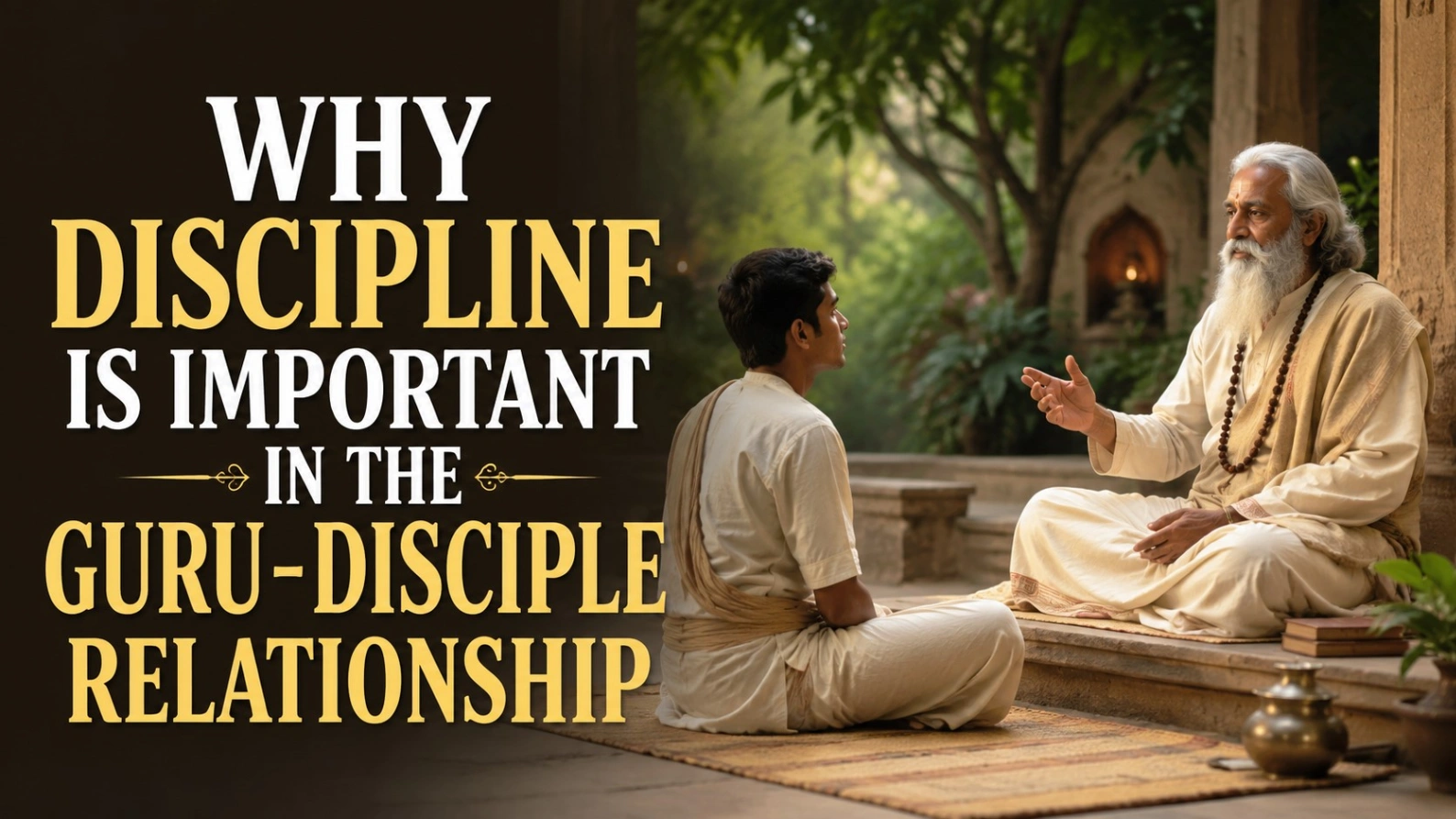
The history of Guru Purnima is deeply rooted in the ancient Indian spiritual tradition. The festival is closely connected with the Guru-Shishya Parampara, or the Guru-disciple tradition. In earlier times, learning was not limited to books or classrooms. Students lived with their Guru, observed their conduct, learned discipline and absorbed wisdom through everyday life.
This relationship was based on trust, surrender, respect and sincere learning. A disciple did not only receive knowledge. The disciple received a way of living. The Guru did not only teach a subject. The Guru helped shape the character, awareness and inner strength of the disciple.
The origin of Guru Purnima is most widely associated with Maharishi Ved Vyasa. Traditional belief holds that this day marks his birth anniversary. Because of his vast contribution to spiritual literature and Vedic knowledge, the day became known as Vyas Purnima. Over time, it also became a day to honor all Gurus and spiritual teachers.
Ved Vyasa holds a special place in Indian culture because he is believed to have organized sacred knowledge for the benefit of humanity. His name itself is associated with arrangement, compilation and wisdom. Through his work, spiritual teachings became more accessible to seekers across generations.
Why Is Guru Purnima Also Called Vyas Purnima?
Guru Purnima is called Vyas Purnima because of its connection with Maharishi Ved Vyasa. He is one of the most revered sages in Hindu tradition and is traditionally credited with composing or compiling the Mahabharata. He is also associated with the organization of Vedic knowledge.
In Indian spiritual culture, Ved Vyasa is not remembered only as a writer or scholar. He is honored as a great Guru who preserved wisdom for future generations. His contribution made it possible for countless people to understand dharma, karma, devotion, duty and spiritual truth.
The Mahabharata is not merely an epic story. It contains deep teachings on life, morality, family, society, leadership, struggle and liberation. The Bhagavad Gita, one of the most important spiritual texts in the world, appears within the Mahabharata. Because of this, the contribution of Ved Vyasa is considered timeless.
On Guru Purnima, remembering Ved Vyasa is a way of honoring the entire lineage of wisdom that flows through the Guru tradition.
Spiritual Significance of Guru Purnima
The spiritual significance of Guru Purnima lies in gratitude. In everyday life, people often remember success, achievements and blessings, but forget the guidance that made them possible. Guru Purnima reminds us that no person grows alone. Behind every transformation, there is some form of guidance.
A Guru helps us see what we cannot see by ourselves. When the mind is confused, the Guru brings clarity. When ego becomes strong, the Guru brings humility. When life feels directionless, the Guru shows the path. When spiritual practice becomes weak, the Guru inspires discipline.
This is why Guru Purnima is considered a powerful day for self-reflection. It is a time to ask: Who has guided me? Who helped me become better? Am I truly following the wisdom I have received? Am I living with gratitude?
The festival is also spiritually linked with surrender. Surrender does not mean weakness. It means becoming open enough to learn. A person filled with ego cannot receive deeper wisdom. Guru Purnima teaches that humility is the beginning of higher knowledge.
Guru Purnima in Hinduism
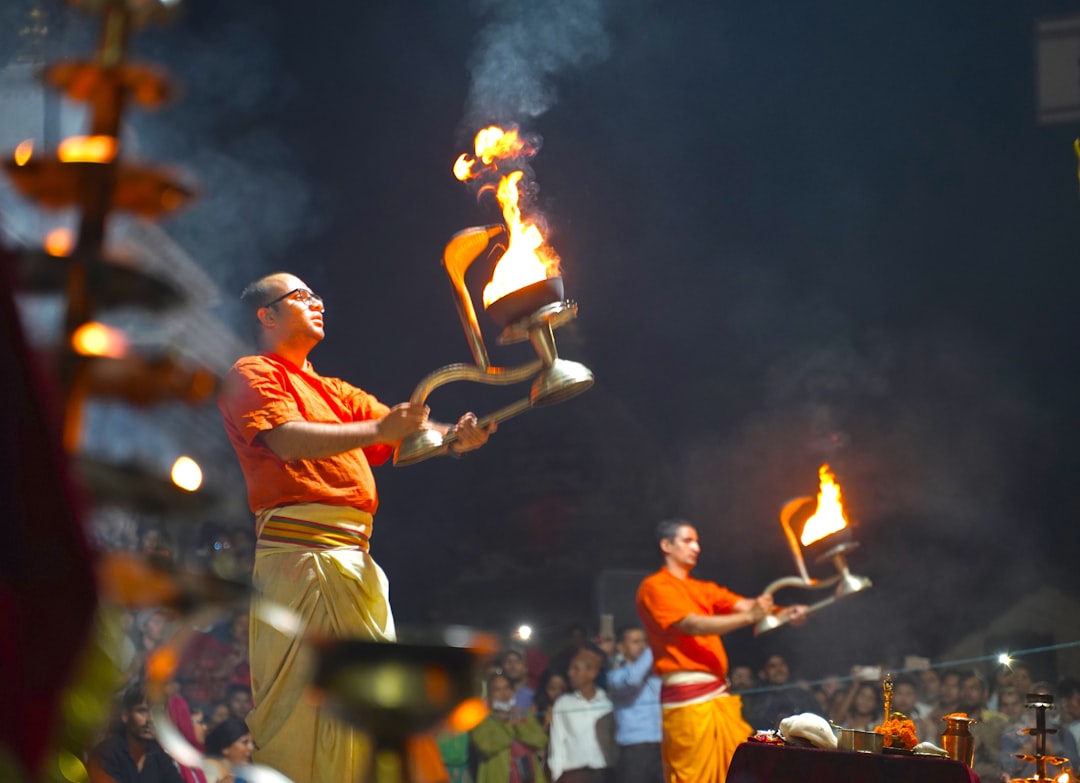
In Hinduism, Guru Purnima is observed with devotion, prayers and offerings to the Guru. Many spiritual seekers visit ashrams, attend satsangs, listen to discourses and participate in Guru Puja. Some read scriptures such as the Bhagavad Gita, Upanishads, Ramayana or Mahabharata.
The day is also important for students of yoga and meditation. Many seekers use Guru Purnima to restart their spiritual practice, take new vows or deepen their discipline. It is believed that the blessings of the Guru help the seeker move forward with greater strength and purity.
In many traditions, disciples offer flowers, fruits, clothes or symbolic gifts to their Guru. But the real offering is not material. The highest offering is sincere transformation. A Guru does not only want respect from the disciple. A true Guru wants the disciple to live with awareness, truth, compassion and self-discipline.
Guru Purnima and the Buddhist Tradition
Guru Purnima also holds significance in Buddhist tradition. Ashadha Purnima is associated by many Buddhist communities with Lord Buddha’s first sermon at Sarnath, where he shared the teaching of Dharma with his first disciples. This event is remembered as a turning point because it marked the beginning of the spread of Buddha’s teachings.
This connection shows that Guru Purnima is not limited to one form of worship. At its heart, it is a celebration of wisdom, awakening and the transmission of truth from teacher to student.
Whether one follows Hinduism, Buddhism, yoga, meditation or any spiritual path, the message remains similar: wisdom becomes alive when it is received with humility and practiced with sincerity.
Why Guru Purnima Is Celebrated
Guru Purnima is celebrated to express gratitude to Gurus, teachers and mentors who guide us in life. The festival reminds us that knowledge is sacred. It also reminds us that the person who gives true knowledge deserves respect.
In modern life, the meaning of Guru can be expanded. A Guru may be a spiritual master, a school teacher, a parent, a mentor, a coach or even a life experience that awakens wisdom. Anyone who helps remove ignorance and brings us closer to truth can be honored on this day.
Guru Purnima is also celebrated to reconnect with the path of learning. Many people use this day to begin meditation, study scriptures, practice silence or take blessings from elders. It is a day to pause, bow down and remember that learning is a lifelong journey.
Guru Disciple Relationship and Its Importance
The Guru-disciple relationship is one of the most sacred relationships in Indian culture. It is not based on blind belief. It is based on trust, discipline, observation and inner growth. The disciple respects the Guru because the Guru has walked the path and can guide others with experience.
A true Guru does not create dependence. A true Guru awakens inner strength. The purpose of the Guru is not to make the disciple weak, but to help the disciple become aware, courageous and spiritually mature.
This relationship teaches many values. It teaches patience because growth takes time. It teaches humility because wisdom cannot enter a closed mind. It teaches discipline because spiritual progress needs consistency. It teaches devotion because the heart must be involved in the journey of transformation.
In a world where people are surrounded by information, the role of a Guru becomes even more important. Information can answer questions, but wisdom changes life. Guru Purnima reminds us to seek not just knowledge, but guidance that transforms the way we live.
CTA for Personal Session
Need personal guidance on your spiritual journey? Book a personal session to receive focused support, clarity and practical direction for your inner growth, meditation practice and life challenges.
Book NowHow Is Guru Purnima Celebrated?
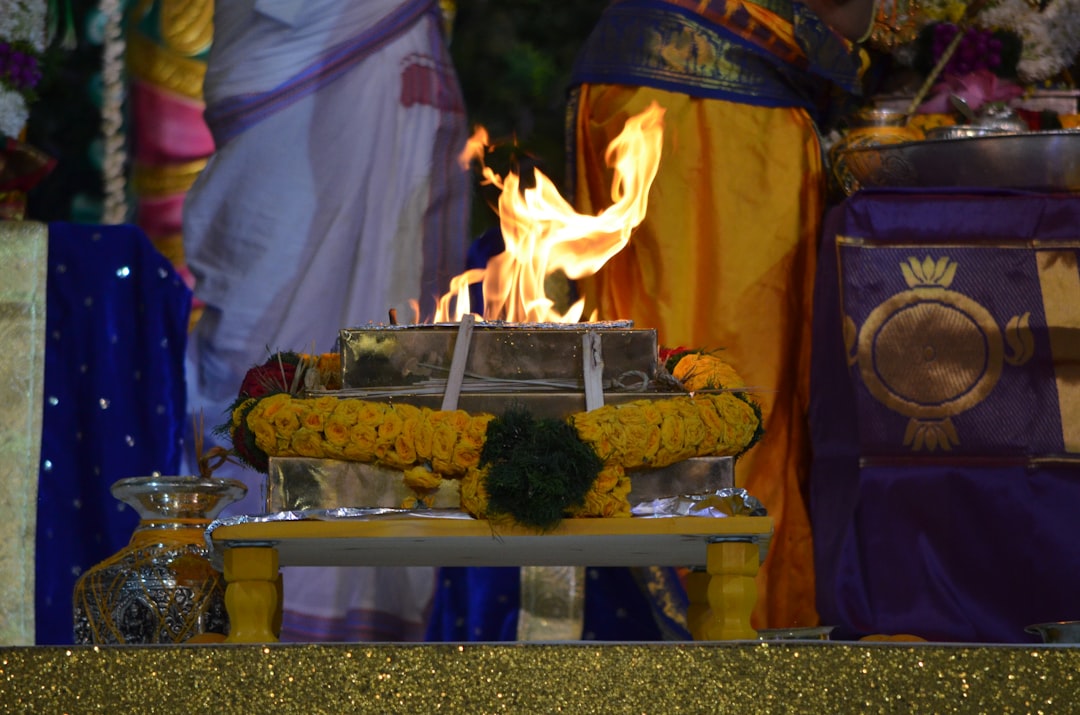
Guru Purnima is celebrated in many meaningful ways. Some people wake up early, take a bath and begin the day with prayer. Many offer flowers, light a lamp and remember their Guru or teacher with gratitude. Spiritual seekers may chant mantras, meditate or attend satsang.
Students may thank their teachers. Children may express respect to parents. Devotees may visit temples, ashrams or spiritual centers. Some people perform seva, or selfless service, as an offering to their Guru.
Here are a few simple ways to celebrate Guru Purnima at home:
Meditate for a few minutes in silence
Read a chapter from a spiritual text
Write a gratitude note for your teacher or mentor
Offer prayers to your Guru or chosen deity
Spend time in self-reflection
Practice seva by helping someone without expectation
Take a small spiritual vow for the coming year
The most important part of celebration is sincerity. Even a simple prayer offered with a pure heart can become meaningful.
Guru Purnima 2026 Date and Timing
Guru Purnima 2026 will be observed on Wednesday, July 29, 2026. According to the New Delhi Panchang timing, the Purnima Tithi begins at 6:18 PM on July 28, 2026, and ends at 8:05 PM on July 29, 2026.
Since Panchang timings may vary by location, people usually check the local calendar or consult their regional Panchang for exact observance timings. This is especially useful for those planning Guru Puja, fasting, meditation programs or spiritual gatherings.
Why Guru Purnima Still Matters Today
In today’s world, people have access to endless content, advice and information. Yet many still feel confused, anxious and directionless. Guru Purnima feels relevant because it brings us back to something timeless: the need for wise guidance.
A Guru helps us understand that life is not only about achievement. Life is also about awareness. It is not only about outer success, but also inner peace. It is not only about collecting knowledge, but living with wisdom.
Guru Purnima is a reminder to slow down and honor the people who have helped us grow. It invites us to become better students of life. It asks us to remain humble, grateful and committed to self-improvement.
When we honor the Guru, we are also honoring the light within us that is capable of awakening.
Guru Purnima history and origin reveal the depth of India’s spiritual culture. This sacred festival is not only about rituals or tradition. It is about gratitude, wisdom, humility and transformation. From its connection with Maharishi Ved Vyasa to its importance in the Guru-disciple relationship, Guru Purnima continues to inspire seekers across generations.
Whether you celebrate it through prayer, meditation, seva, scripture reading or a simple moment of gratitude, the essence remains the same. Guru Purnima teaches us to honor the light that removes darkness. It reminds us that true knowledge is not just learned, it is lived.