

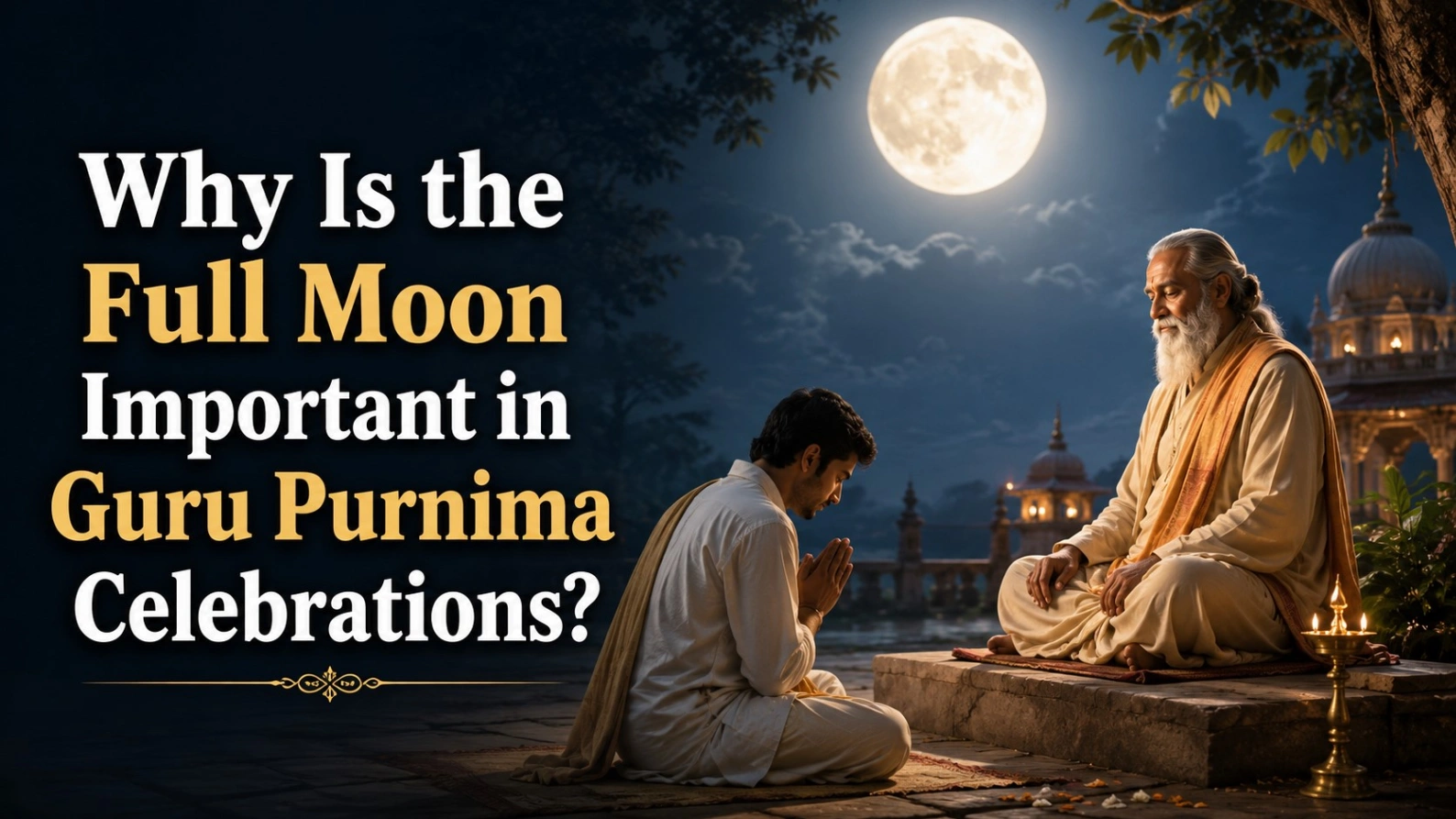
The Guru Purnima full moon significance lies in the way this sacred day brings together gratitude, spiritual reflection, and the relationship between a teacher and a learner. Guru Purnima is observed on Ashadha Purnima, the full moon day of the Hindu lunar month of Ashadha. It is a day to honour the gurus, mentors, teachers, and guides who help remove confusion and lead us towards wisdom.
Why does this celebration take place on a full moon day? The answer is more meaningful than simply following a date on the calendar. In many Indian spiritual traditions, the full moon represents fullness, clarity, and illumination. Guru Purnima uses that symbolism to remind devotees that a true guru does not merely give information. A guru helps a seeker develop understanding, discernment, and a deeper connection with life.
For New Delhi, Guru Purnima in 2026 falls on Wednesday, July 29. Since Hindu festival observances follow lunar tithi and local sunrise-based calculations, people should check their local panchang for city-specific timings.
Guru Purnima, Ashadha Purnima, and Vyasa Purnima
Guru Purnima is celebrated on the Purnima, or full moon, of Ashadha. This is why searches for Ashadha Purnima, Guru Purnima full moon, and Purnima significance in Hinduism are closely connected. The day is also commonly known as Vyasa Purnima or Vyasa Puja. In Hindu tradition, it is associated with reverence for Maharishi Veda Vyasa, who is honoured as a great teacher and a central figure in the transmission of sacred knowledge.
The word “guru” is often understood as one who removes darkness or ignorance. This role can be played by a spiritual master, teacher, parent, mentor, or anyone whose guidance helps us see more clearly. Maharashtra Tourism describes Guru Purnima as a celebration of spiritual and academic teachers, with devotees offering respect through prayer and puja.
Ashadha Purnima also holds importance in Buddhist tradition. It is associated with Buddha’s first sermon at Sarnath, remembered as the First Turning of the Wheel of Dharma. This shared connection makes the day meaningful as a celebration of teachings, learning, and the passing of wisdom from one person to another.
Design Your Destiny
Your life changes when wisdom becomes a daily practice. Join the Design Your Destiny program to deepen your self-awareness, overcome inner confusion, and learn practical spiritual tools for a calm, purposeful, and meaningful life.
Start Your Journey Today!Why Does Guru Purnima Fall on a Full Moon Day?
A full moon marks the complete phase of the lunar cycle. In spiritual language, completion is often linked with maturity, awareness, and inner light. The importance of full moon on Guru Purnima comes from this symbolic connection. A guru is seen as someone who helps a disciple move from limited understanding to clearer perception, much like darkness giving way to moonlight.
This is a devotional symbol, not a scientific claim. The moon does not create wisdom by itself. Instead, the full moon becomes a reminder of what spiritual learning can do. It encourages people to ask: What confusion have I outgrown? What lessons have I received? How can I live those lessons with more sincerity?
The full moon also creates a natural moment of pause. On Guru Purnima, that sense of fullness is turned inward. Devotees may reflect on the teachings that have guided them, the habits they need to improve, and the values they want to carry forward. This is why the day is connected to gratitude rather than only ritual.
The Spiritual Meaning of Guru Purnima and the Full Moon
The spiritual meaning of Guru Purnima is rooted in surrender to learning, not blind dependence on a person. A genuine teacher points the seeker towards greater awareness, responsibility, and truth. The full moon represents the possibility that the mind can become clearer when it is guided by wisdom and practice.
In many traditions, darkness is a metaphor for ignorance, fear, confusion, and ego. Light represents knowledge, compassion, and discernment. The full moon on Guru Purnima becomes a symbol of inner illumination. It reminds us that spiritual growth is not always about dramatic experiences. Often, it is about learning to respond calmly, act honestly, and remain grounded during difficult moments.
For many people, the full moon also represents emotional wholeness. On Guru Purnima, devotees may use this time to let go of resentment, acknowledge mistakes, or renew a personal spiritual practice. The goal is to become more receptive to guidance and more honest with oneself.
Guru Purnima Rituals and Puja Vidhi
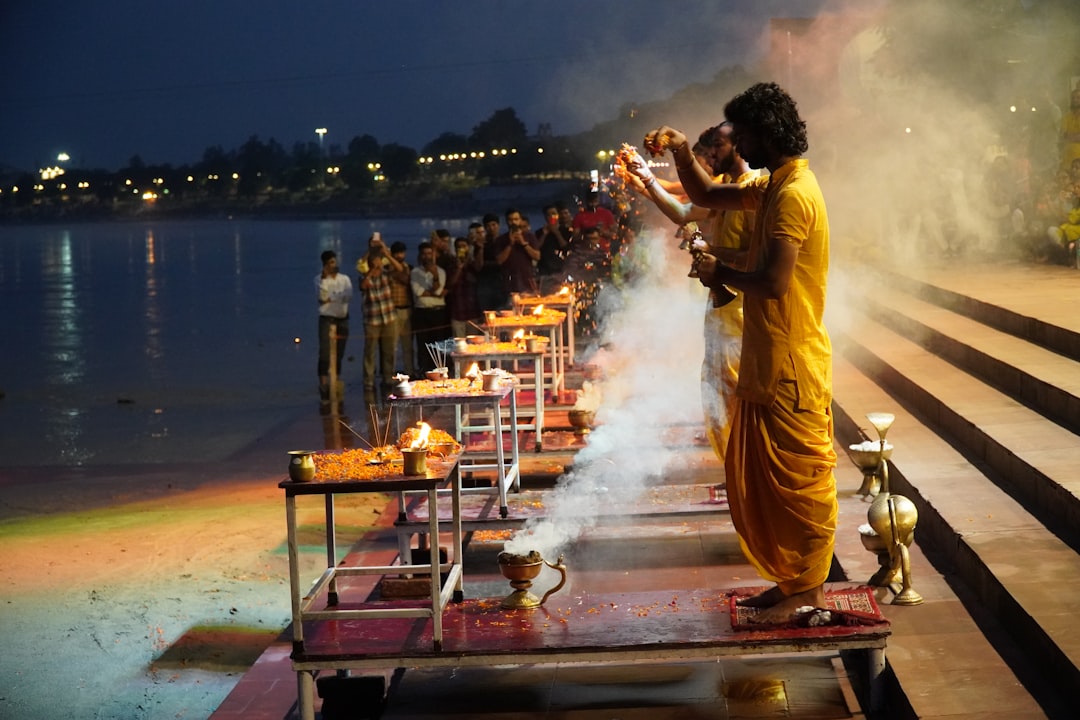
Guru Purnima rituals differ across regions, schools of thought, and family traditions. There is no single compulsory format. Many people begin the day with a bath, clean clothing, and a quiet prayer. Some visit temples, ashrams, or spiritual centres, while others observe the day at home with simple devotion.
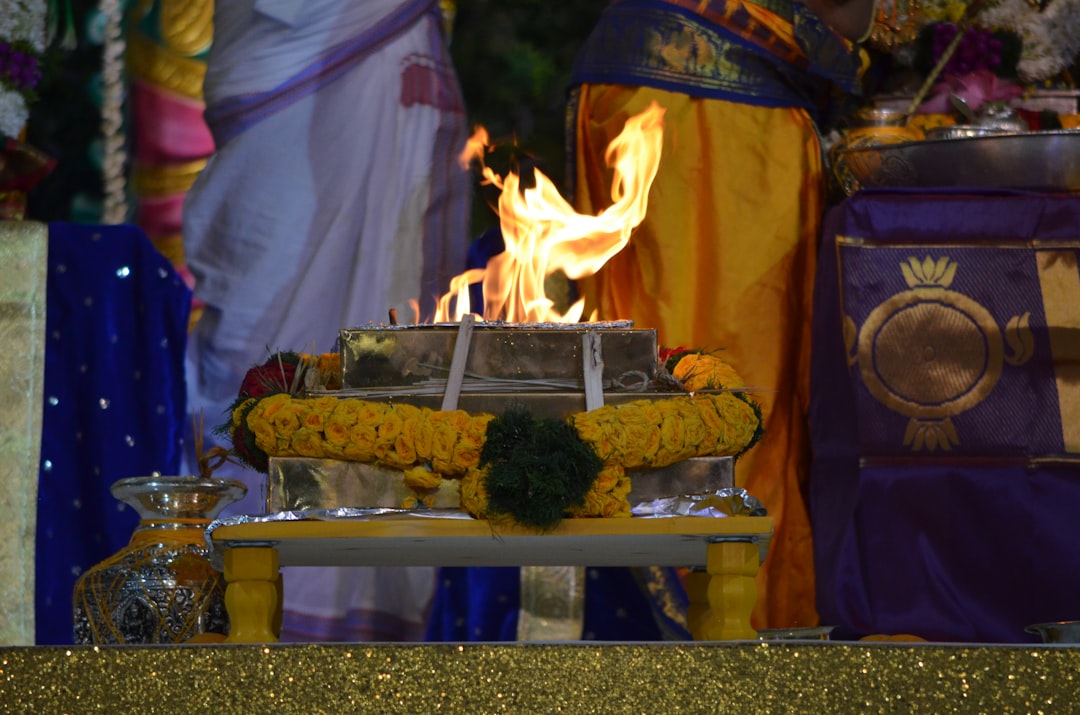
A traditional Guru Purnima puja may include placing a photograph, symbol, book, or sacred text connected with one’s guru or chosen spiritual path in a clean space. Devotees offer flowers, fruits, water, incense, or a lamp according to their family custom. They may chant prayers, read from a spiritual text, meditate, or listen to a discourse. The outer offering matters, but the inner intention matters more: humility, gratitude, and willingness to learn.
Touching the feet of elders or teachers is a common expression of respect in many Indian homes. Others send a sincere message, seek blessings, or reconnect with a mentor. Schools and colleges may organise programmes that honour teachers. Devotional singing, fasting, temple visits, and acts of charity are also observed by many families. These practices are optional and should be followed in a way that respects personal faith, health, and local custom.
How Is Guru Purnima Celebrated at Home?
You do not need an elaborate ceremony to celebrate Guru Purnima at home. Create a few quiet minutes without distractions. Light a diya only if it is part of your tradition, offer a flower or fruit, and sit with a feeling of thankfulness. You can remember the teachers, books, or family members that changed your thinking.
Reading a meaningful passage from the Bhagavad Gita, a spiritual book, or a teacher’s teaching can make the day more personal. After reading, choose one lesson to practise for the next week. It may be patience, truthful speech, self-discipline, kindness, or regular meditation. This turns Guru Purnima from a one-day observance into a living practice.
Another meaningful way to celebrate is through service. Help someone learn a skill, donate books, support a student, thank a teacher, or offer your time to a person who needs guidance. The best tribute to wisdom is to let it benefit others.
The Guru and Disciple Relationship in Modern Life
The guru and disciple relationship is not only about ancient times. Its central value is learning with humility. Today, people may have many sources of information but very little space for reflection. A wise teacher can help separate noise from insight and knowledge from mere opinion.
Healthy guidance also encourages independence and ethical thinking. A true mentor does not make a learner powerless. They help the learner become more responsible, more discerning, and more capable of making sound choices. You may celebrate a schoolteacher who built your confidence, a parent who taught you resilience, a manager who guided your career, or a spiritual teacher whose words gave you peace.
What Does the Full Moon Symbolise in Spirituality?
Across many spiritual traditions, the full moon is used as a symbol of completion, reflection, and expanded awareness. On Guru Purnima, it invites a simple inward question: Is my mind becoming clearer through the teachings I receive and practise?
The full moon also reminds us that growth happens in phases. Just as the moon appears to wax gradually, understanding also grows slowly. A lesson may not make sense when we first hear it. Months or years later, the same teaching may become meaningful because life has prepared us to understand it. This perspective makes Guru Purnima a day of patience, rather than pressure to be perfect.
A Simple Guru Purnima Reflection Practice
On the evening of Guru Purnima, sit quietly for ten minutes. Think of one person who guided you and one lesson that still supports you. Notice whether you are applying that lesson in real life. Then choose one small action you will take in the coming week to honour it.
You may also write a short gratitude note. Begin with, “One teaching that changed me is…” and let the answer come honestly. This small practice can bring the Guru Purnima spiritual significance into everyday life more effectively than a ritual performed without attention.
The full moon is important in Guru Purnima celebrations because it gives a symbol to a timeless truth: wisdom brings light to the mind. Ashadha Purnima is not only a date in the lunar calendar. It is an invitation to pause, remember the people who guided us, and renew our commitment to learning.
Whether you observe elaborate Guru Purnima rituals, follow a simple Guru Purnima puja vidhi at home, or take a few moments to thank a teacher, let the day be sincere. The most meaningful celebration is to carry wisdom forward through humility, compassion, and conscious action.
Personal Session
Seeking personal clarity, emotional balance, or spiritual direction? Book a personal session to explore your challenges, understand your inner patterns, and receive guidance for your unique journey.
Book Now