
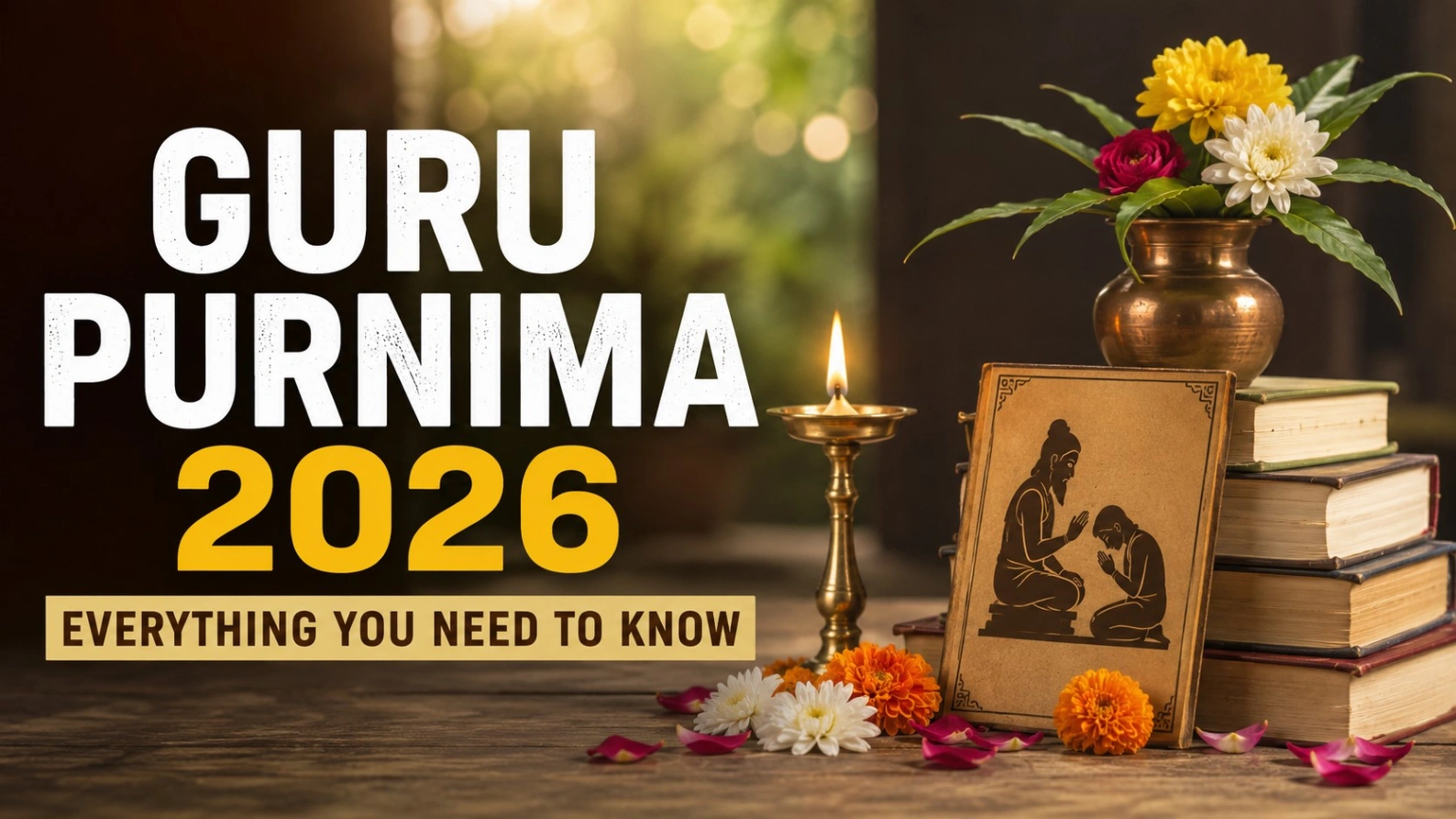
Guru Purnima 2026 will be observed on Wednesday, July 29, 2026. This sacred full-moon festival is dedicated to honouring the gurus, teachers and spiritual guides who remove ignorance and lead us towards wisdom.
According to the Hindu lunar calendar, Guru Purnima falls on the full-moon day of the month of Ashadha. In 2026, the Purnima Tithi begins at approximately 6:18 PM on July 28 and ends at approximately 8:05 PM on July 29, based on New Delhi timings. Regional timings may vary slightly, so devotees should check their local panchang before performing time-specific rituals.
However, Guru Purnima is much more than a date on the religious calendar. It is a day of gratitude, self-reflection, devotion and inner transformation. It reminds us that genuine learning becomes possible when knowledge is received with humility and practised with awareness.
This complete guide to Guru Purnima explains its meaning, history, spiritual significance, rituals, traditions and the different ways it is celebrated across India.
Guru Purnima 2026 Date and Tithi
Guru Purnima 2026 falls on:
Date: Wednesday, July 29, 2026
Purnima Tithi begins: July 28, 2026, at approximately 6:18 PM
Purnima Tithi ends: July 29, 2026, at approximately 8:05 PM
Hindu month: Ashadha
Also known as: Vyasa Purnima
These timings are generally given for New Delhi and may differ slightly by location. People planning a Guru Puja or a special spiritual ceremony should follow the panchang for their city.
Since the Purnima Tithi continues through most of July 29, the main Guru Purnima celebration in India will take place on that day.
Design Your Destiny
Knowing the path is only the beginning. Design Your Destiny helps you understand your mind, move beyond limiting patterns and live with greater awareness, clarity and purpose. Join the programme and take a practical step towards creating a more conscious and fulfilling life.
Start Your Journey Today!What Is Guru Purnima?
Guru Purnima is a traditional festival dedicated to expressing gratitude towards one’s guru.
The word “guru” is commonly understood as a teacher or guide. In the spiritual sense, however, a guru is someone who helps remove the darkness of ignorance and leads a seeker towards truth, wisdom and self-realisation.
“Purnima” means the full-moon day. The full moon is often associated with completeness, clarity and illumination. Guru Purnima therefore symbolises the light of knowledge overcoming the darkness of confusion.
The guru honoured on this day may be:
A spiritual master
A school or university teacher
A parent or elder
A mentor or coach
A person whose wisdom changed your life
The inner consciousness that guides you towards truth
This wider meaning is one reason Guru Purnima remains relevant even for people who do not follow a formal spiritual tradition.
Guru Purnima Meaning in Spirituality
The deeper Guru Purnima meaning is connected with surrender, receptivity and transformation.
A teacher can provide information, but a true guru helps the disciple see beyond information. The guru does not merely tell the seeker what to believe. The guru encourages the seeker to observe, question and experience truth directly.
In spiritual life, ignorance does not simply mean a lack of education. It refers to the inability to recognise our deeper nature. We may remain trapped in fear, attachment, anger, ego and repetitive patterns even after acquiring worldly knowledge.
The guru helps us become aware of these patterns. Through guidance, discipline, meditation and self-enquiry, the seeker gradually develops clarity.
Guru Purnima therefore asks an important question: Are we merely collecting spiritual ideas, or are we allowing wisdom to change the way we live?
Why Is Guru Purnima Celebrated?
Guru Purnima is celebrated to acknowledge the importance of teachers and spiritual guides in human life.
Every skill, discipline and tradition survives because knowledge is passed from one generation to another. A child learns through parents, a student learns through teachers, an artist learns through masters and a spiritual seeker learns through a realised guide.
The festival reminds us that no one grows entirely alone.
In the Hindu tradition, the day is strongly associated with Maharishi Ved Vyasa, the revered sage connected with the Mahabharata and the preservation and organisation of Vedic knowledge. This is why Guru Purnima is also called Vyasa Purnima.
The celebration is also meaningful in Buddhist and Jain traditions. Buddhists associate the Ashadha full moon with the Buddha’s first sermon after enlightenment, while Jain traditions honour spiritual teachers and the relationship between the teacher and disciple.
The History of Guru Purnima
The history of Guru Purnima is linked with ancient Indian traditions of education and spiritual learning.
In earlier times, students often lived with their gurus in gurukuls or ashrams. Education was not limited to reading and memorisation. Students learned discipline, ethics, responsibility, service, meditation and practical ways of living.
The guru-shishya relationship was built on dedication and trust. The guru offered knowledge, while the disciple approached the learning process with humility and commitment.
Guru Purnima became an occasion for disciples to honour their teachers and renew their dedication to the path.
Connection With Maharishi Ved Vyasa
Maharishi Ved Vyasa occupies a highly respected place in Indian spiritual history. Guru Purnima is traditionally observed as Vyasa Purnima in recognition of his contribution to sacred literature and knowledge.
He is associated with the Mahabharata and is traditionally credited with compiling and organising Vedic teachings. Because of this contribution, he is remembered as one of the greatest gurus in Indian tradition.
On Guru Purnima, many devotees perform Vyasa Puja and honour the lineage of teachers through whom spiritual knowledge has been preserved.
Connection With Gautama Buddha
For Buddhists, the Ashadha full moon is associated with Gautama Buddha’s first teaching at Sarnath after attaining enlightenment.
This teaching is traditionally understood as the beginning of the formal transmission of the Dharma to his first disciples. Buddhist communities may observe the day through meditation, study, charity and reflection on the teachings of the Buddha.
Guru Purnima Importance
The importance of Guru Purnima extends beyond ritual worship. It encourages us to examine our relationship with knowledge, discipline and guidance.
1. It develops gratitude
We often remember what we have achieved but forget those who helped us reach that stage. Guru Purnima gives us an opportunity to thank the people whose guidance shaped our thinking and character.
2. It strengthens humility
A person cannot learn deeply while believing that they already know everything. Respect for a guru represents openness to correction, growth and new understanding.
3. It reconnects us with spiritual discipline
Many people begin meditation or spiritual study with enthusiasm but gradually become inconsistent. Guru Purnima can act as a day of renewal—a moment to restart one’s practice with sincerity.
4. It honours living wisdom
Books provide valuable knowledge, but a genuine teacher can help a student understand how that knowledge applies to real-life struggles.
5. It inspires self-reflection
The festival encourages us to look within. Are we becoming more peaceful, compassionate and conscious, or are we only performing rituals externally?
Guru Purnima Rituals
Guru Purnima rituals differ according to family tradition, spiritual lineage and region. There is no single ritual that everyone must perform. The sincerity behind the practice is more important than its scale.
Why Do We Celebrate Guru Purnima? Complete Guide & Meaning
Wake up early and begin mindfully
Many devotees begin the day before sunrise. After bathing and wearing clean clothes, they create a peaceful environment for prayer or meditation.
The morning may begin with a short intention:
“May I remain open to truth, wisdom and right guidance.”
Prepare a Guru Puja space
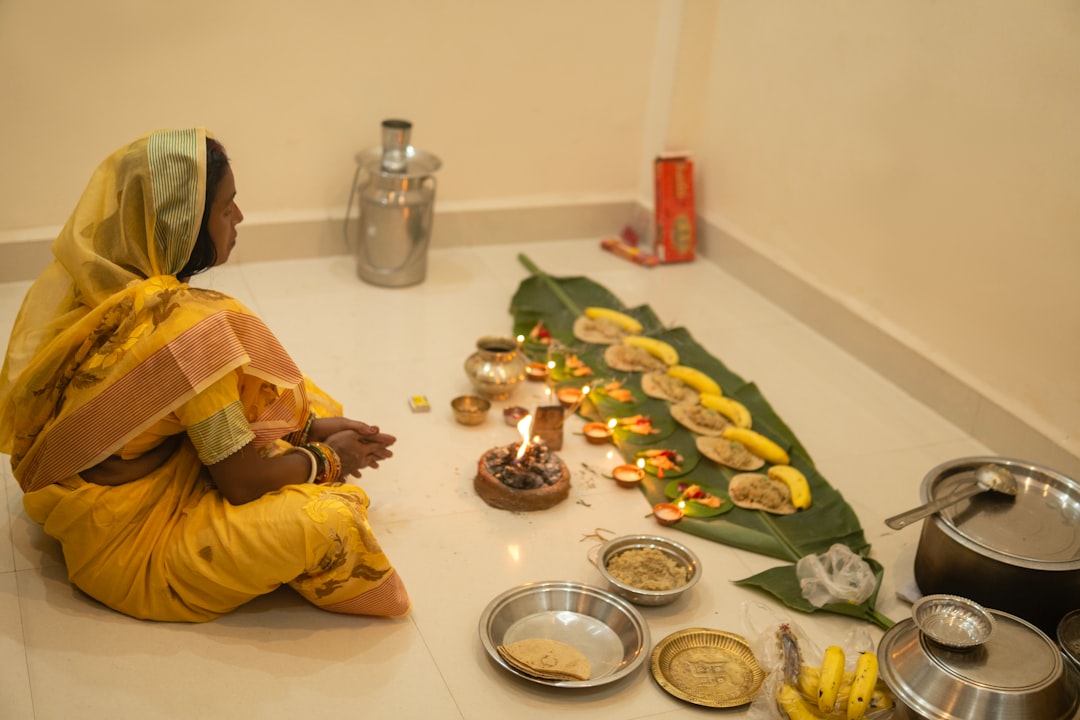
A clean altar may be prepared with a photograph of one’s guru, spiritual teacher, chosen deity or Maharishi Ved Vyasa.
Common offerings include:
Fresh flowers
Fruits
Incense
A lamp or diya
Sweets
Sandalwood paste
Clean water
A sacred cloth
The offerings should be made respectfully without unnecessary display.
Offer gratitude to the guru
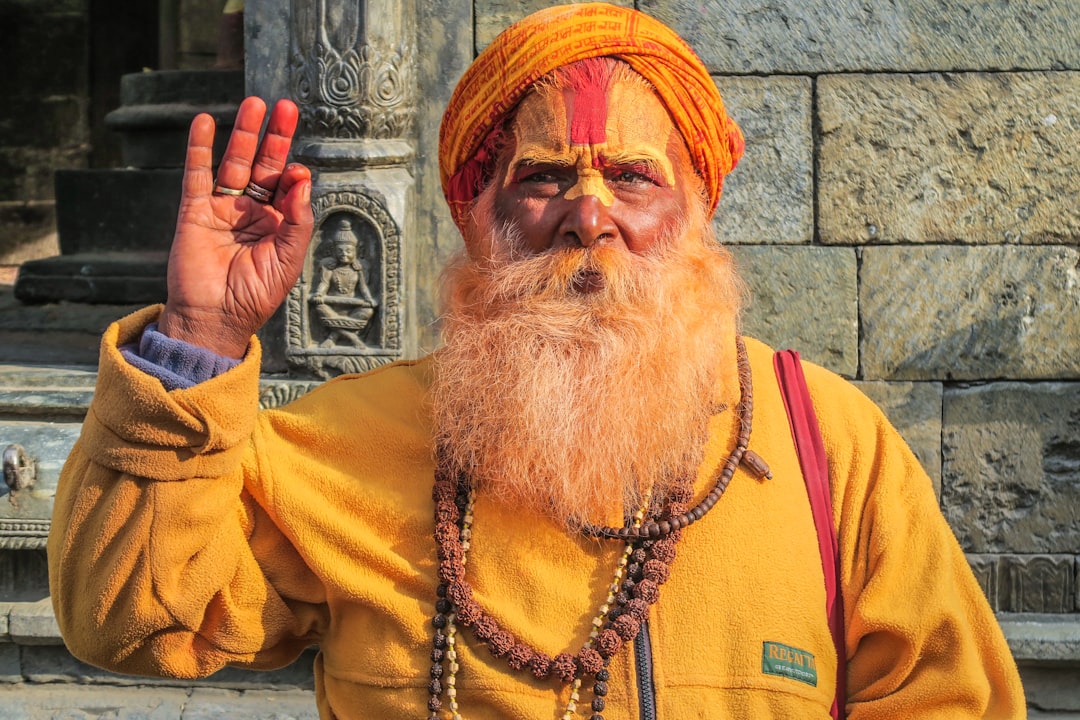
If the guru is present physically, disciples may seek blessings and offer flowers, fruits, clothes or other respectful gifts.
When the guru is not physically present, devotees may remember the teacher inwardly, read their teachings or write a letter of gratitude.
Perform meditation or mantra chanting
Meditation is one of the most meaningful Guru Purnima rituals because it turns attention inward.
Devotees may chant:
Their guru mantra
Om
Gayatri Mantra
Om Namah Shivaya
A mantra given by their spiritual teacher
The number of repetitions is less important than awareness and devotion.
Read spiritual teachings
Guru Purnima is an appropriate day to study a spiritual text or revisit the words of a teacher.
Instead of reading many pages quickly, choose one teaching and reflect on how it applies to your life.
Practise seva and charity
Service is a powerful way to honour the guru. Devotees may donate food, support education, help elderly people, feed animals or serve at an ashram or community organisation.
True guru devotion becomes visible through our conduct towards others.
Guru Purnima Fasting and Food
Some devotees observe a fast on Guru Purnima, while others eat simple sattvic food. Fasting practices depend on personal health, family tradition and spiritual guidance.
People may avoid:
Meat and eggs
Alcohol
Onion and garlic
Excessively spicy food
Negative conversations and unnecessary arguments
Fruits, milk, nuts, sabudana, kuttu preparations and simple vegetarian meals may be consumed depending on the type of fast being followed.
Fasting should not be forced upon children, elderly people, pregnant women or anyone with a medical condition. Spiritual practice should support well-being rather than create harm.
Guru Purnima Celebration in India
Guru Purnima celebrations in India take many forms.
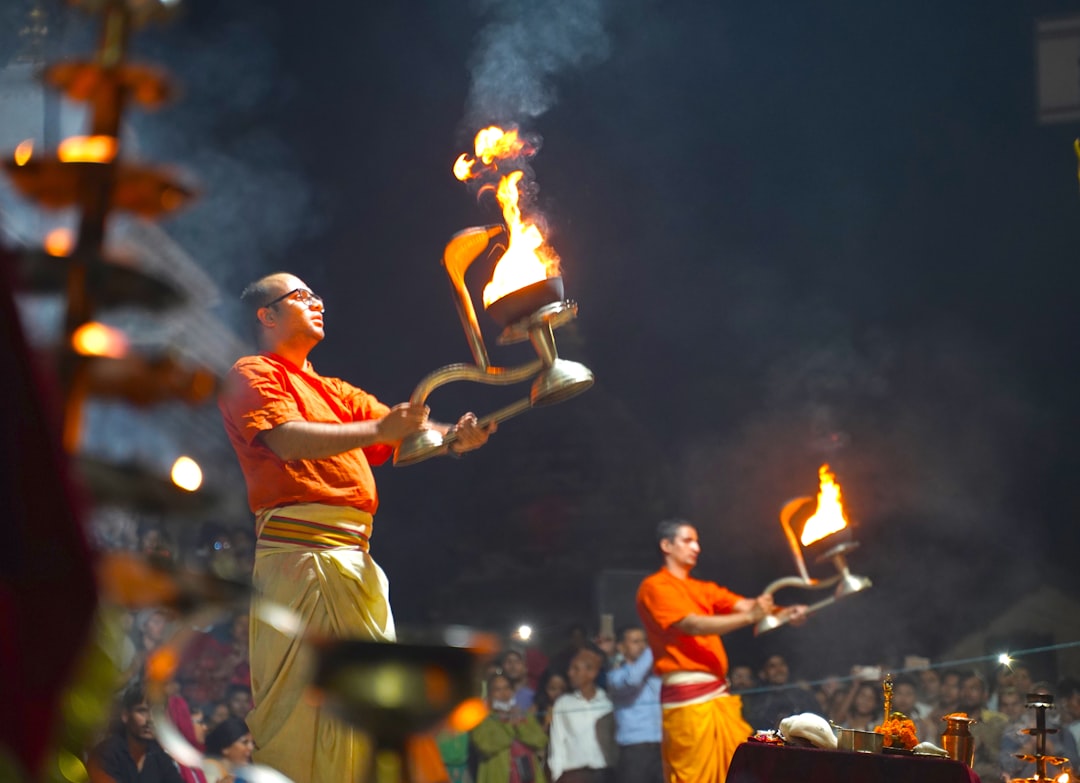
Ashrams and spiritual centres organise satsangs, meditation sessions, Guru Puja, discourses and community meals. Schools and educational institutions may conduct programmes honouring teachers and mentors.
Devotees visit temples, meet their spiritual guides and participate in charitable activities. Some people undertake silent meditation, while others spend the day reading spiritual texts.
In many homes, children touch the feet of parents, grandparents and teachers as a traditional gesture of respect.
Modern celebrations may also include:
Sending messages of gratitude
Attending online satsangs
Joining virtual meditation sessions
Donating to educational initiatives
Calling a former teacher
Sharing a lesson received from a mentor
The form may change, but the central message remains the same: acknowledge the source of wisdom in your life.
Guru Purnima Traditions and Customs
Guru Purnima traditions commonly reflect three qualities: gratitude, discipline and service.
One important custom is Guru Dakshina. Traditionally, this refers to an offering made by the disciple to the guru. It does not always have to be money or a material gift.
A meaningful Guru Dakshina may be:
Giving up a harmful habit
Following a teaching sincerely
Committing to daily meditation
Serving people in need
Becoming more truthful
Completing a responsibility with discipline
The most valuable offering to a guru is the transformation of the disciple.
How to Celebrate Guru Purnima at Home
A meaningful Guru Purnima celebration at home can be simple.
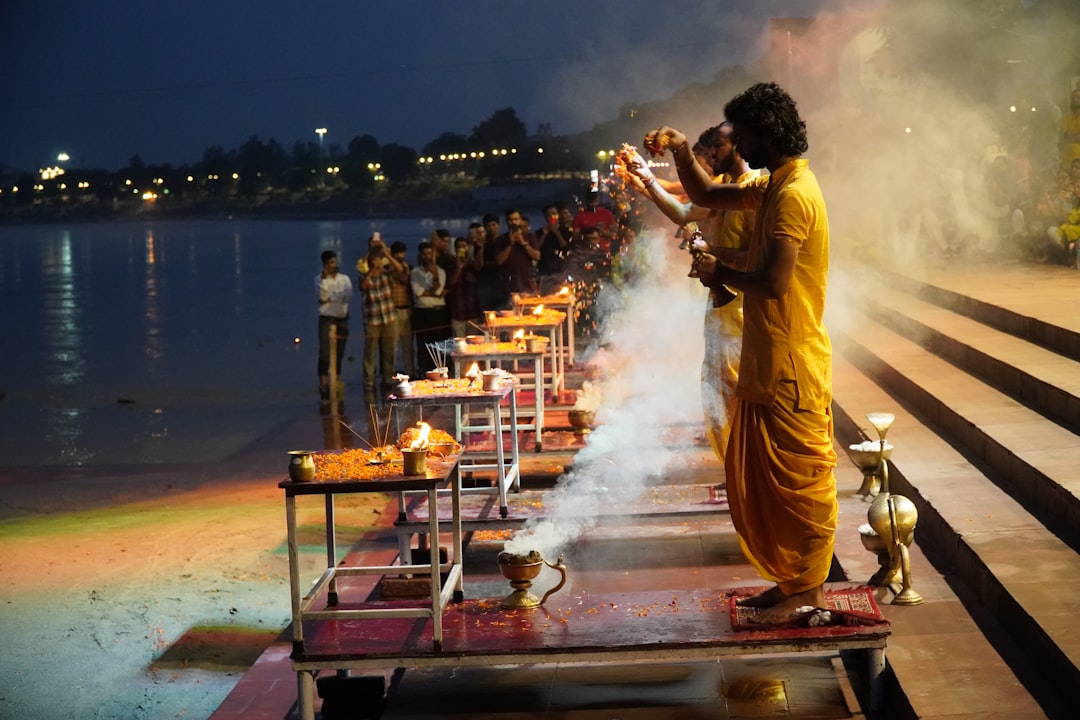
Begin by cleaning your prayer or meditation area. Light a lamp and place flowers before the image of your guru or chosen spiritual symbol.
Sit quietly for a few minutes and remember the teachers who have helped you. Offer gratitude not only to spiritual masters but also to parents, schoolteachers, mentors and those who corrected you at important moments.
Read one spiritual passage. Meditate for 15 to 30 minutes. Write down one teaching you want to practise during the coming year.
You can also call or message a teacher and express your appreciation. A sincere sentence of gratitude may be more valuable than an expensive gift.
End the day by performing one act of service without seeking recognition.
Guru Purnima 2026: Date, Muhurat, Rituals and Importance
What Should You Ask Your Guru?
Guru Purnima is not only a day to seek blessings. It is also an opportunity to seek clarity.
You may ask:
Which habit is blocking my spiritual growth?
How can I become more consistent in meditation?
How can I observe my mind without reacting?
What should I practise during the next year?
How can I serve others more sincerely?
How do I recognise the difference between ego and inner guidance?
A good question is not asked merely to receive an impressive answer. It is asked with a willingness to practise.
The Inner Guru
External guidance is important, but spiritual traditions also speak about the inner guru and the silent awareness within us that recognises truth.
The outer guru helps the seeker connect with this inner intelligence. A genuine teacher does not create permanent emotional dependence. Instead, the teacher helps the disciple become aware, responsible and inwardly clear.
As the seeker develops observation and wisdom, decisions become less controlled by fear, impulse and social pressure.
Guru Purnima is therefore both an external celebration and an inward journey.
Common Guru Purnima Facts
Guru Purnima falls on the full moon of Ashadha.
It is also known as Vyasa Purnima.
The festival honours spiritual and academic teachers.
It is observed in Hindu, Buddhist and Jain traditions.
Meditation, Guru Puja, charity and spiritual study are common practices.
Guru Purnima 2026 falls on Wednesday, July 29.
Ritual timings may vary slightly according to location.
A person may honour parents, teachers and mentors even without having a formal spiritual guru.
The Real Message of Guru Purnima
The real message of Guru Purnima is not limited to touching a teacher’s feet, offering flowers or attending a ceremony.
It is about becoming teachable.
A guru may show us the path, but the disciple must walk it. A guru may explain meditation, but the disciple must sit in silence. A guru may point out the ego, but the disciple must develop the courage to observe it.
The greatest celebration of Guru Purnima is to practise what the guru has taught.
When gratitude becomes action, knowledge becomes wisdom. When discipline becomes natural, spiritual understanding begins to enter daily life.
Guru Purnima 2026 offers a valuable opportunity to pause, honour the teachers who shaped us and renew our commitment to conscious living.
Personal Session
Are you facing confusion, emotional challenges or an important life decision? A personal session can help you understand your situation with greater clarity and discover the right direction for your spiritual and personal growth.
Book Now