

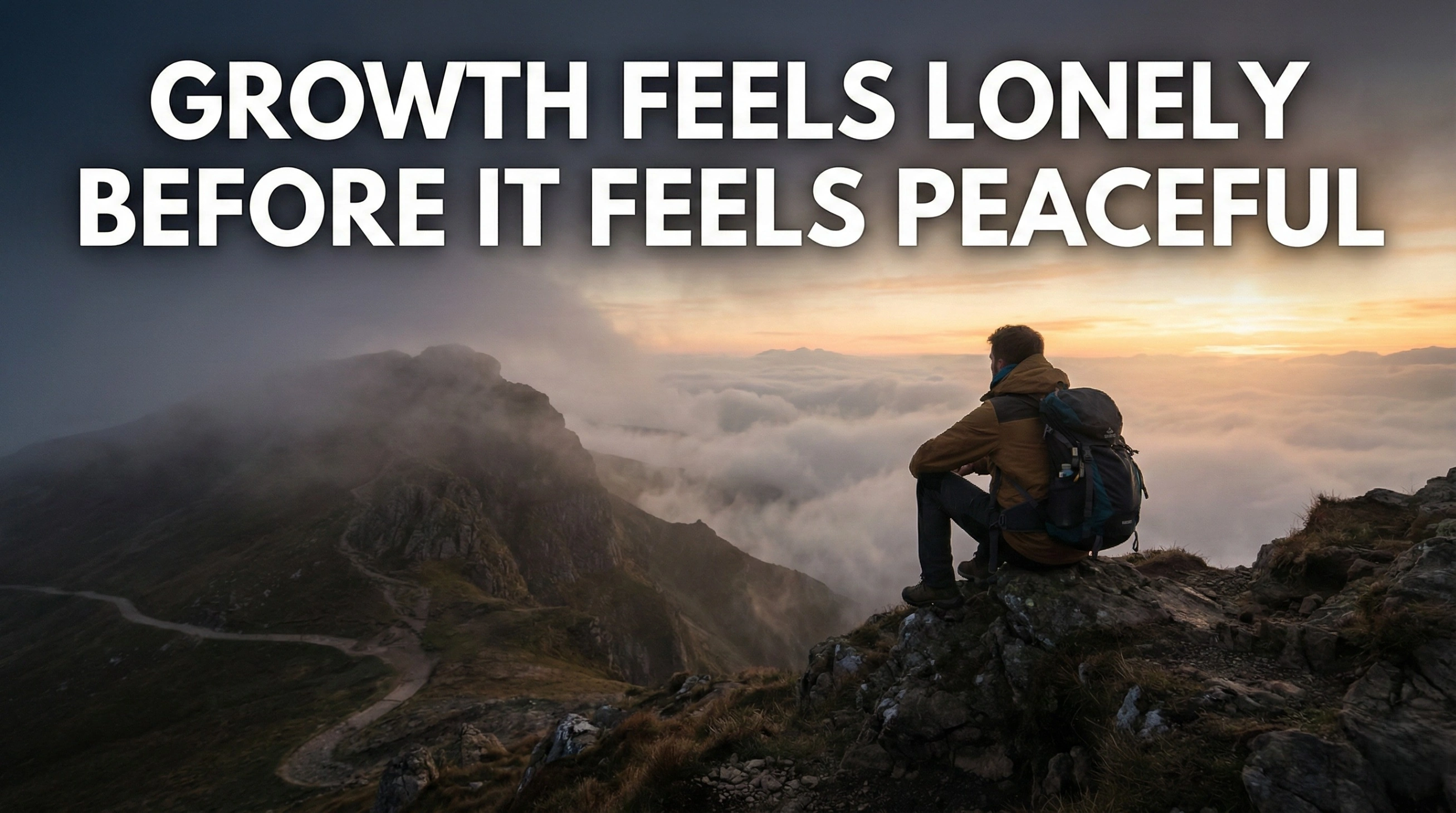
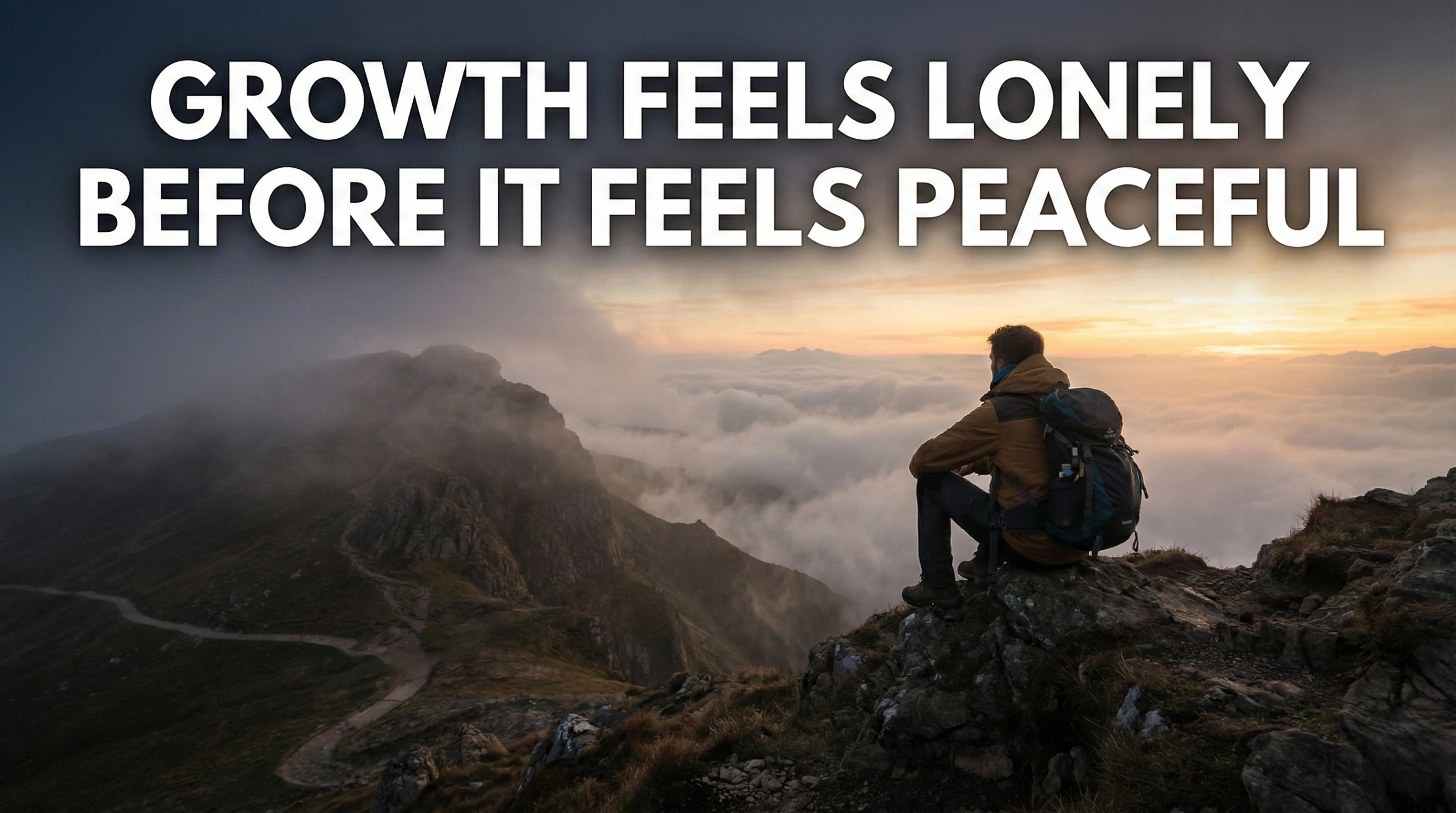
There is a phase of life no one really prepares you for the phase where growth feels lonely. Not the dramatic kind of loneliness, but the quiet, confusing kind. You’re evolving, becoming more self-aware, choosing better for yourself… and yet, you feel oddly disconnected. This experience is far more common than people admit. Loneliness during personal growth isn’t a failure; it’s often a sign that something important is shifting within you.
When growth begins, familiarity starts to fall away. Old patterns no longer fit. Conversations feel shallow. Places that once felt comforting feel heavy. And while this can be unsettling, it’s also a natural part of transformation. Personal growth feels isolating because it moves you away from who you were before it brings you closer to who you are becoming.
Why Growth Feels Lonely at First
One of the biggest reasons why growth feels lonely is because inner change often happens before the outer world catches up. Your mindset evolves quietly. Your boundaries become firmer. Your emotional awareness deepens. But the people and environments around you may remain the same.
This creates a gap; a space where you no longer fully belong to the old, but haven’t yet arrived at the new. That in-between space can feel deeply uncomfortable. Growth feels uncomfortable because comfort is rooted in familiarity, not alignment.
During this phase, you may notice:
You need more solitude than before
You feel misunderstood or unseen
You crave depth but encounter surface-level interactions
You feel emotionally detached without intending to
This is not emotional coldness. It’s emotional recalibration.
Loneliness During Personal Growth Is Not a Step Back
Many people panic when they experience personal growth loneliness. They assume something is wrong. They try to force connections, revisit old habits, or numb the discomfort. But loneliness during this phase isn’t a regression; it’s a restructuring.
As self-awareness increases, tolerance for misalignment decreases. You begin to notice when relationships drain you. You recognize patterns that no longer serve your mental health. This awareness can make you feel alone, especially if those around you are not on the same journey.
This is why self awareness loneliness often go hand in hand. Awareness strips away illusions, and illusions are what once made things feel easy.
The Psychology of Loneliness During Growth
From a psychological perspective, growth challenges identity. The brain is wired for consistency and belonging. When you start changing, your nervous system may interpret it as a threat. This can trigger feelings of isolation, doubt, or emotional distance.
The psychology of loneliness during growth is rooted in transition. You are letting go of coping mechanisms that once helped you survive, even if they no longer help you thrive. That release can feel like loss and loss often feels lonely.
This is also where emotional maturity loneliness emerges. Emotional maturity doesn’t always feel empowering at first. Sometimes it feels like restraint. Like choosing silence over reaction. Like understanding things you wish you didn’t have to understand.

Why Healing Often Feels Lonely
If you’re on a healing journey, you may notice that healing feels lonely in a unique way. Healing requires honesty. It asks you to sit with emotions you once avoided. It asks you to stop outsourcing your worth and start meeting yourself fully.
Feeling alone while healing is common because healing shifts your relationship with pain. You stop bonding over wounds. You stop finding comfort in chaos. And when your coping style changes, your social world often does too.
This is why healing journey loneliness isn’t emptiness; it’s detox.
Spiritual Growth and the Loneliness That Comes With It
On a deeper level, spiritual growth loneliness carries its own weight. Many spiritual traditions speak of a phase where the soul withdraws before realignment. This is sometimes described as the dark night of the soul — a period where clarity dissolves before deeper peace forms.
During spiritual awakening loneliness, you may feel disconnected from external validation. Old goals lose meaning. You question purpose, identity, and direction. While this can feel isolating, it is often a sign of inner awakening rather than loss.
Loneliness spiritual meaning isn’t punishment. It’s preparation.
Inner Growth Requires Solitude
Inner growth solitude is not the same as social isolation. Solitude is intentional. It creates space for reflection, integration, and recalibration. Growth needs quiet. It needs pauses. It needs moments where external noise fades so internal truth can surface.
This is why growth phase loneliness is often temporary. It exists to help you hear yourself again.
Solitude teaches you:
How to self-regulate emotionally
How to trust your intuition
How to be present without distraction
How to find peace without external validation
These skills form the foundation of lasting inner peace.

Emotional Detachment Is Part of Growth
One of the most misunderstood aspects of growth is emotional detachment. People often confuse it with avoidance or coldness. In reality, emotional detachment growth is about discernment.
You stop reacting impulsively. You stop chasing closure. You stop engaging in dynamics that cost you your peace. This can make you feel distant; not because you care less, but because you care more consciously.
This phase can feel lonely because you are no longer emotionally available for dysfunction.
Loneliness Before Peace: The Turning Point
Eventually, something shifts. The silence becomes softer. The loneliness becomes spacious rather than heavy. This is when loneliness before peace transforms into self-trust.
You begin to enjoy your own company. You stop seeking constant distraction. You feel grounded even when alone. This is the moment when growth feels lonely but peaceful later.
Peace doesn’t arrive loudly. It arrives quietly, through acceptance.
Personal Growth Solitude Is Not the End
If you’re wondering, “Is it normal to feel lonely during growth?” — yes. And more importantly, it’s temporary. Personal growth solitude phase exists to help you recalibrate your values, boundaries, and identity.
Once alignment is restored, connection returns but it returns differently. Relationships become deeper. Conversations feel meaningful. You attract people who resonate with who you are now, not who you were.
Growth doesn’t isolate you forever. It refines your connections.
What Comes After Loneliness in Personal Growth
After the lonely phase passes, you may notice:
A stronger sense of self
Emotional stability
Less need for external validation
More intentional relationships
Inner calm replacing restlessness
This is loneliness before inner peace; the quiet bridge between becoming and being.
Growth often feels lonely because it asks you to pause, reflect, and realign. But this quiet phase is also where clarity is born. When you stop reacting to life and start responding consciously, you begin to shape your own path.
If this phase resonates with you, it may be time to move from healing to intention.
Design Your Destiny is about consciously creating a life rooted in self-awareness, inner peace, and aligned action; instead of drifting through patterns that no longer serve you.