

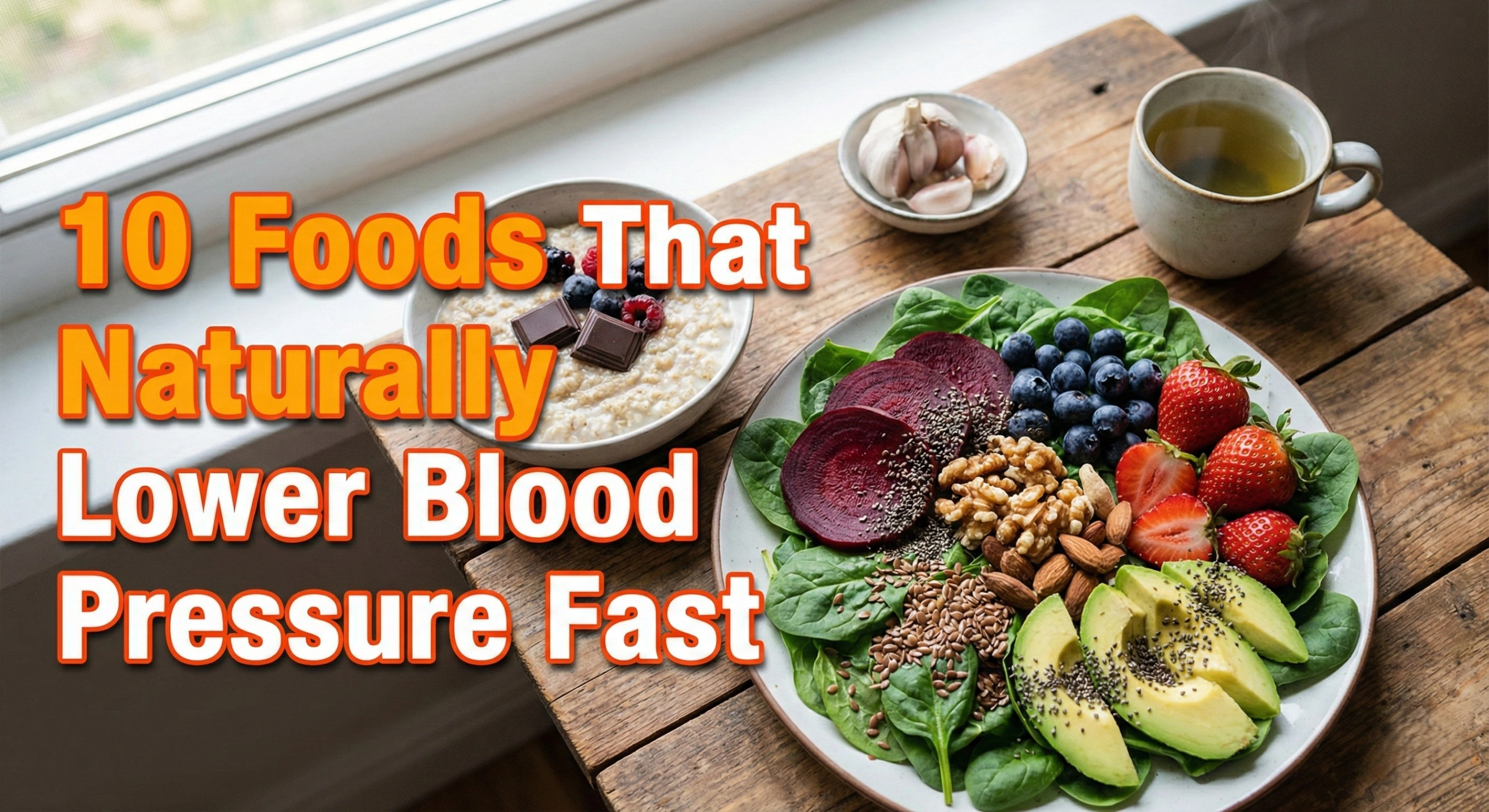
High blood pressure, also known as hypertension, affects millions of people worldwide and can lead to serious health complications if not managed properly. One of the most effective ways to control blood pressure is through diet. In this article, we’ll explore foods that lower blood pressure naturally and provide tips on how to include them in your daily meals. Whether you are looking for natural ways to lower blood pressure or a high blood pressure diet, these vegetarian foods can make a significant difference.
1. Spinach
Spinach is packed with potassium, magnesium, and nitrates, all of which are crucial for blood pressure control. Studies have shown that the nitrates in spinach help relax blood vessels and improve blood flow, reducing strain on your heart. You can add fresh spinach to salads, smoothies, or lightly sauté it with olive oil for a nutrient-rich side dish.
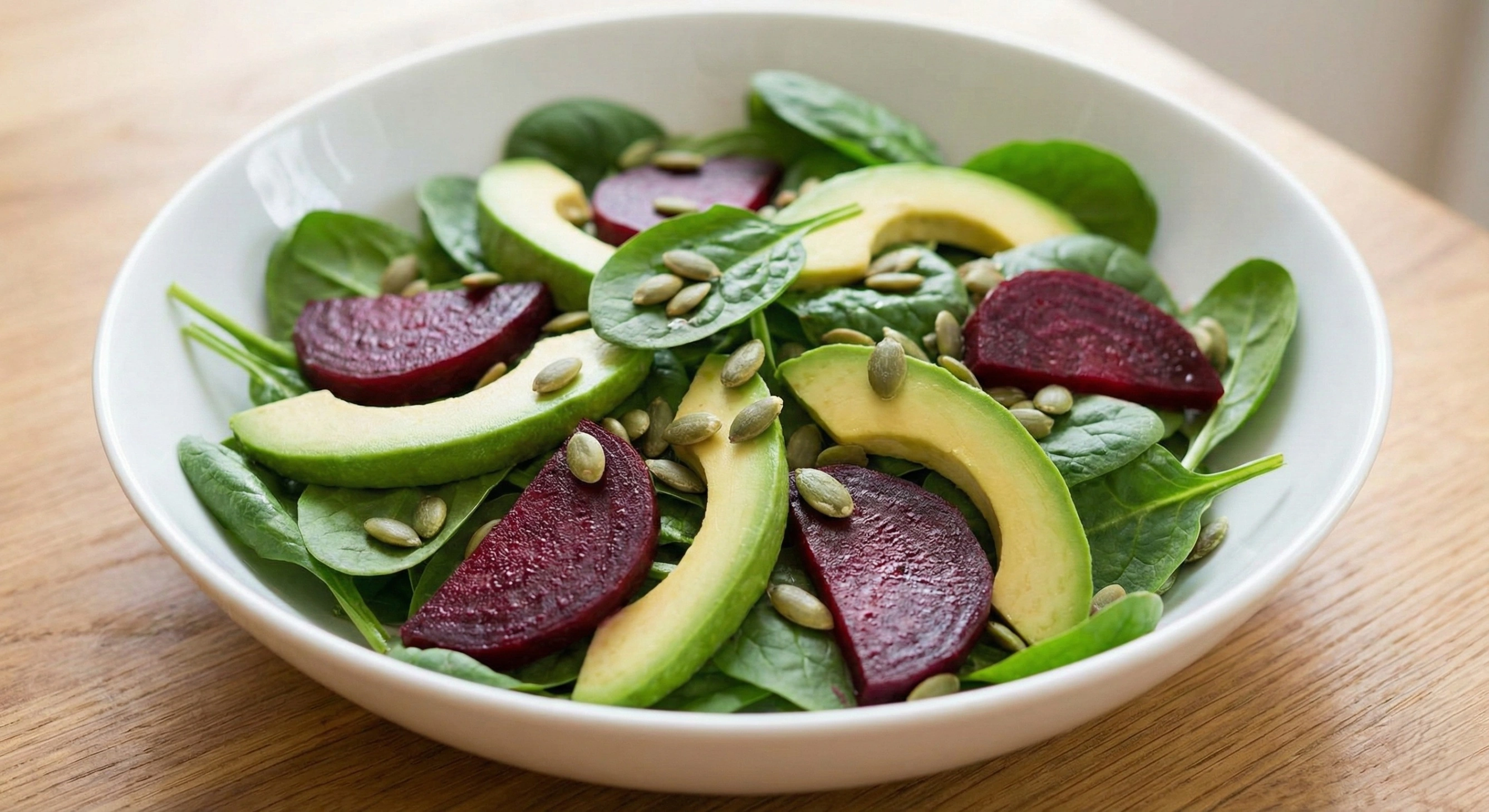
2. Beetroot
Beets are high in nitrates, which convert into nitric oxide in the body, helping to widen blood vessels and lower blood pressure naturally. Drinking beetroot juice or incorporating roasted beets into meals can provide both taste and cardiovascular benefits. Researchers recommend consuming beetroot at least 2–3 times a week for noticeable effects.
3. Berries
Berries like blueberries, strawberries, and raspberries are rich in antioxidants called flavonoids, which have been linked to lower blood pressure. Adding a handful of berries to your morning cereal, oatmeal, or yogurt is a simple way to enjoy these benefits.
4. Garlic
Garlic has been used for centuries for its medicinal properties. Its active compound, allicin, can help reduce blood pressure by relaxing blood vessels and improving circulation. Consuming raw garlic, or adding it to cooked dishes, can provide natural support for hypertension.
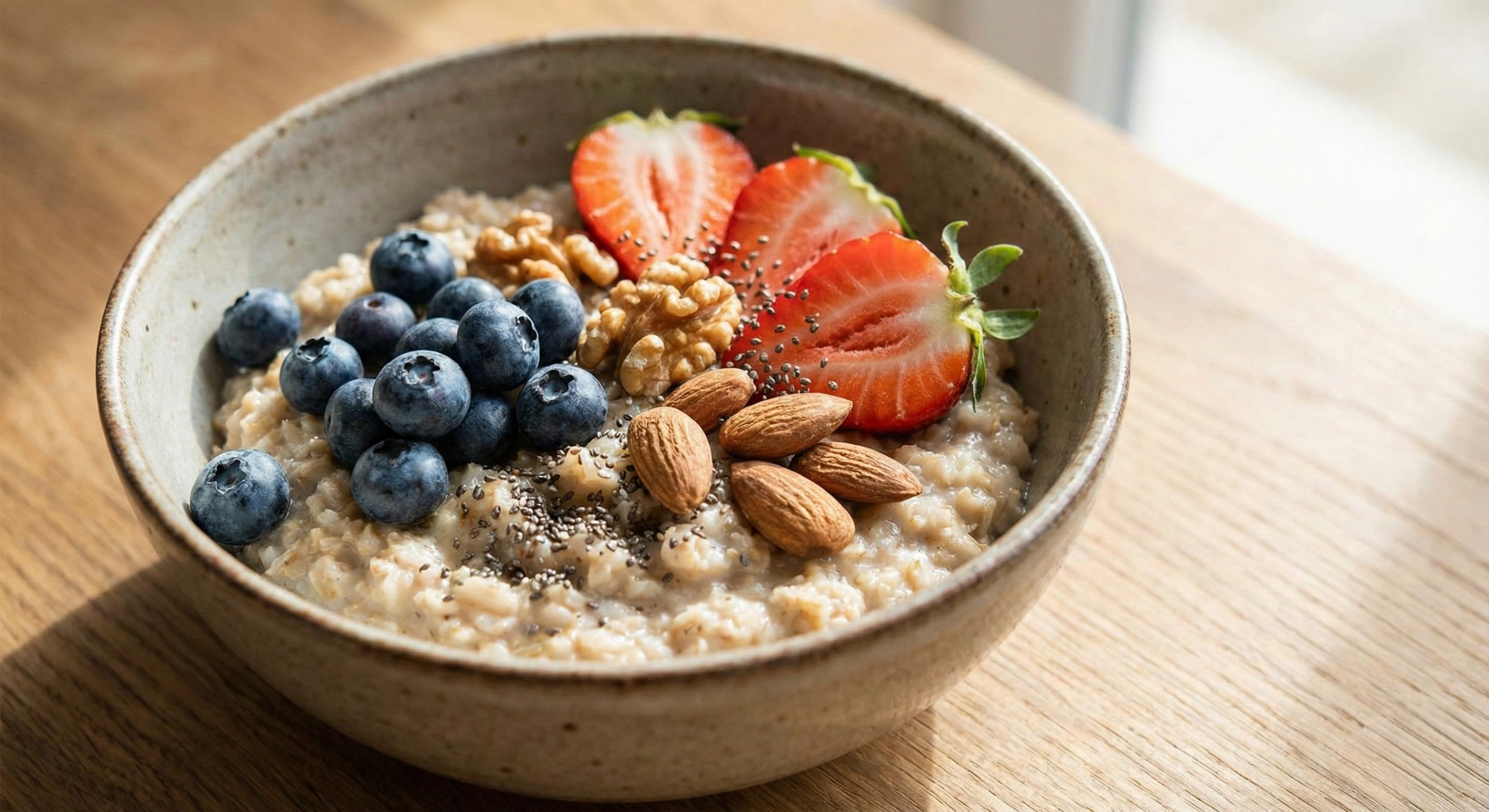
5. Oats
Oats are a great source of soluble fiber, which helps reduce cholesterol and blood pressure levels. Starting your day with a bowl of oatmeal or incorporating oat-based snacks into your diet can be an effective strategy for controlling hypertension naturally.
6. Avocados
Avocados are loaded with potassium and heart-healthy fats. Potassium helps balance sodium levels in the body, which can help reduce blood pressure. Including avocado slices in salads, smoothies, or as a toast topping is an easy way to benefit from this superfood.
7. Dark Chocolate
Moderate consumption of dark chocolate (70% cocoa or higher) has been associated with lower blood pressure due to its flavonoid content. These compounds help relax blood vessels and improve circulation. Remember, moderation is key; one small square per day is sufficient.
8. Nuts and Seeds
Almonds, walnuts, flaxseeds, chia seeds, and pumpkin seeds are rich in healthy fats, magnesium, and potassium. Eating a small handful of nuts or adding seeds to your meals can help manage blood pressure levels naturally.
9. Green Tea
Green tea contains antioxidants called catechins, which may help relax blood vessels and improve blood flow. Drinking 2–3 cups of green tea daily can be a simple, natural way to support healthy blood pressure.
10. Legumes and Beans
Beans, lentils, and chickpeas are rich in fiber, potassium, and magnesium, making them excellent for controlling blood pressure. Incorporating legumes into soups, salads, or stews provides both protein and cardiovascular benefits for a fully vegetarian diet.
Tips for a Blood Pressure-Friendly Diet
Reduce salt intake: Excess sodium increases blood pressure. Aim for less than 2,300 mg per day.
Eat plenty of fruits and vegetables: Focus on potassium-rich foods like bananas, sweet potatoes, and tomatoes.
Limit processed foods: Packaged foods often contain hidden sodium and unhealthy fats.
Stay hydrated: Water helps maintain healthy blood circulation.
Maintain a balanced lifestyle: Regular exercise, stress management, and adequate sleep complement a blood pressure-lowering diet.
Incorporating these 10 vegetarian foods into your daily diet can significantly help in reducing blood pressure naturally. Remember, consistency is key; small, sustainable dietary changes can have a long-term impact on heart health. By focusing on nutrient-dense, plant-based foods and making mindful lifestyle choices, you can manage hypertension effectively without relying solely on medication.