
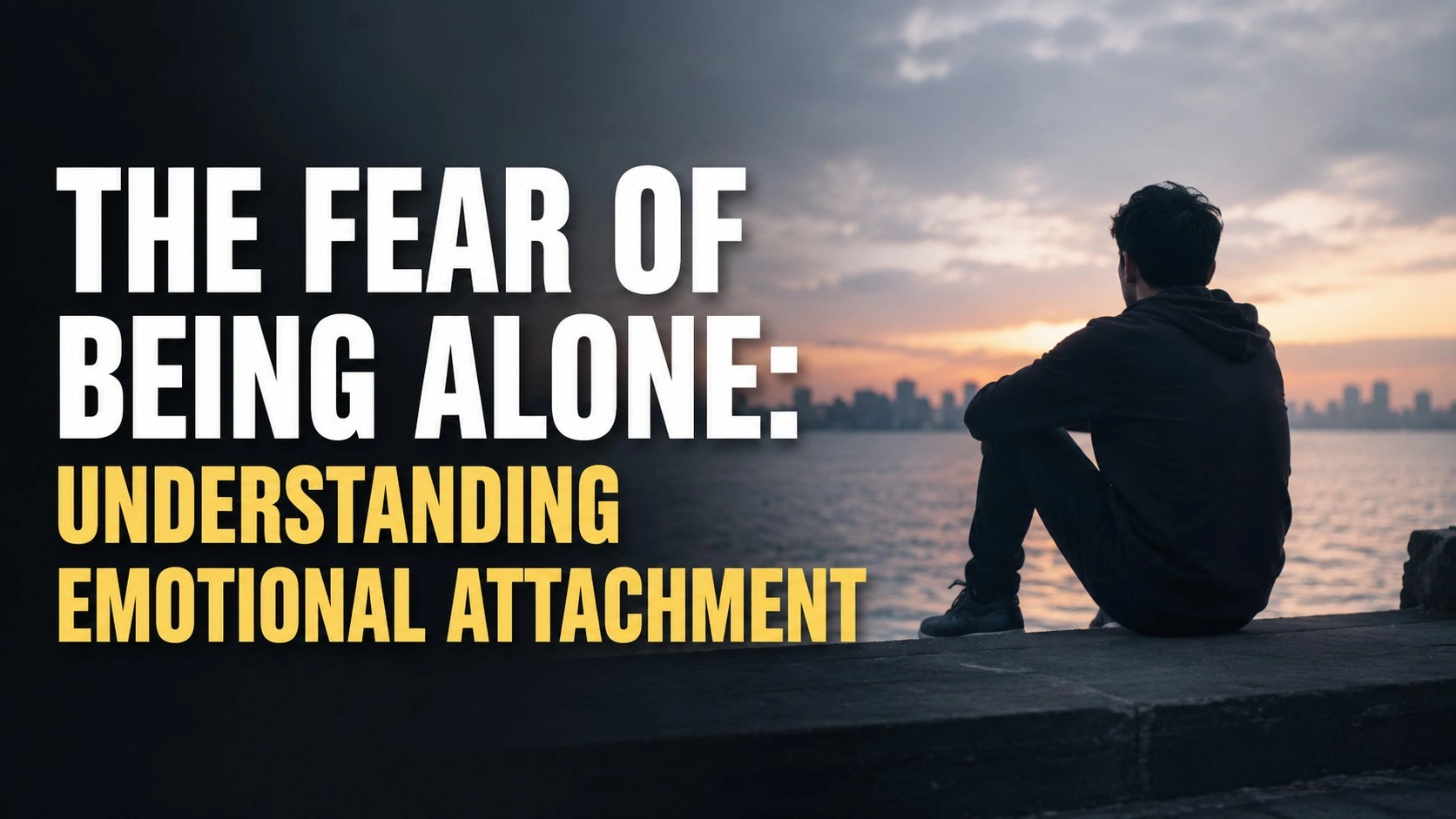
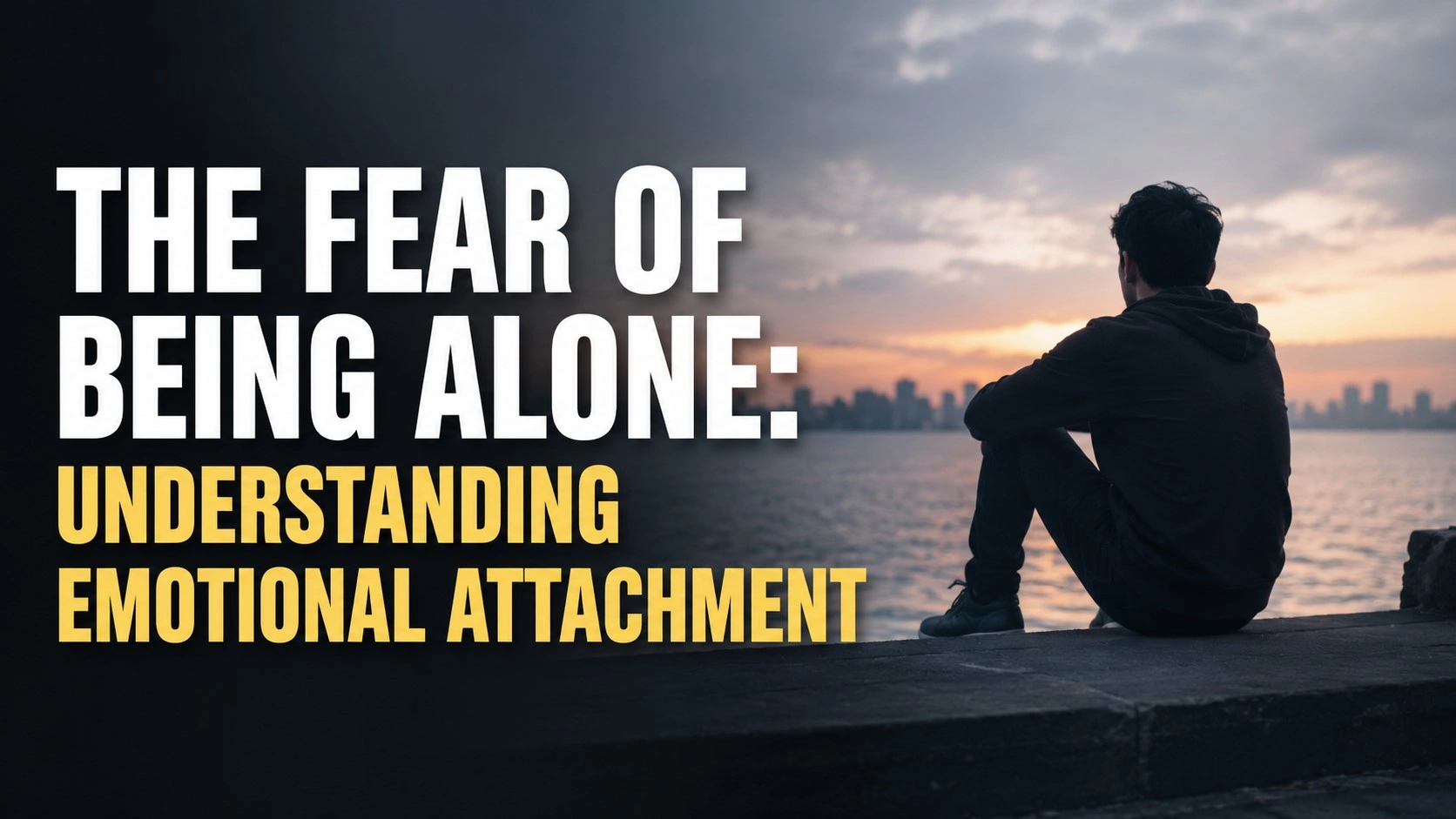
In today’s hyperconnected world, millions of people are silently struggling with loneliness, emotional dependency, and the fear of being alone. Despite having social media, relationships, and constant digital interaction, many still feel emotionally empty inside. The fear of being alone is no longer just a passing emotion, it has become part of the modern loneliness epidemic.
At the root of this emotional struggle often lies emotional attachment. Whether it appears as anxious attachment, fear of abandonment, clingy behavior in relationships, or emotional insecurity, attachment deeply shapes how we connect with others and ourselves. Many people are not actually afraid of solitude, they are afraid of facing their inner emptiness without distraction.
Understanding emotional attachment is the first step toward emotional healing, emotional independence, and inner peace.
Why Do Humans Fear Being Alone?
Human beings are naturally wired for connection. Emotional bonds help us feel safe, loved, and accepted. But when attachment turns into emotional dependency, relationships begin to feel like survival instead of companionship.
The fear of being alone often comes from:
Childhood trauma and attachment wounds
Fear of rejection or abandonment
Low self-worth and emotional insecurity
Toxic relationship experiences
Social conditioning that equates being single with failure
Emotional neglect during formative years
For some people, silence feels uncomfortable because it exposes unresolved emotions they have been avoiding for years. This is why many constantly seek validation, attention, or companionship even when relationships are unhealthy.
Design Your Destiny
Your emotional healing begins the moment you stop running from yourself. Discover the power of self-awareness, mindfulness, and inner transformation to create a life rooted in peace, clarity, and emotional freedom.
Start Your Journey!Understanding Emotional Attachment
Emotional attachment is the emotional bond we form with people, experiences, or identities. Healthy attachment creates trust, security, and emotional connection. Unhealthy attachment creates fear, anxiety, and emotional dependence.
People with attachment issues often feel:
Constant fear of losing loved ones
Anxiety when alone
Overthinking in relationships
Need for reassurance
Difficulty enjoying solitude
Emotional imbalance when relationships change
These patterns are especially common in people with an anxious attachment style.
What Is Anxious Attachment?
Anxious attachment develops when emotional security feels uncertain. A person may deeply crave love but constantly fear abandonment at the same time.
Common anxious attachment style symptoms include:
Overattachment in relationships
Clingy behavior
Fear of emotional disconnection
Relationship anxiety
Emotional dependency on one person
Constant need for validation
Difficulty trusting stability
This emotional pattern often creates exhausting relationship cycles where a person seeks reassurance but never fully feels secure.
The Difference Between Loneliness and Solitude
One of the biggest misunderstandings in modern life is confusing loneliness with solitude.
Loneliness is emotional disconnection.
Solitude is peaceful self-connection.
A person can feel lonely in a crowded room and peaceful while sitting alone in silence. The problem is not always physical isolation — it is often inner disconnection.
Learning how to enjoy solitude can become deeply healing. Solitude creates space for:
Self-awareness
Emotional clarity
Personal growth
Mental peace
Spiritual healing
Emotional resilience
People who are comfortable with themselves build healthier relationships because they no longer expect others to fill emotional voids.
Emotional Dependency and Codependency
Emotional dependency happens when your emotional stability depends entirely on another person’s presence, approval, or attention.
This can look like:
Feeling worthless without a relationship
Panic when someone pulls away
Ignoring red flags to avoid loneliness
Losing your identity in relationships
Constant texting or seeking reassurance
Fear of being single
Over time, emotional dependency can evolve into codependency, where a person sacrifices their own emotional well-being to maintain connection.
This creates toxic attachment patterns that drain mental health and emotional balance.

Why Modern Life Increases Loneliness
The modern loneliness epidemic is deeply connected to digital culture. Social media creates the illusion of connection while increasing emotional comparison and isolation.
Today many people:
Scroll endlessly to avoid uncomfortable emotions
Seek validation through likes and messages
Feel disconnected despite constant communication
Struggle with mental exhaustion and emotional burnout
Experience social isolation in real life
The digital world often stimulates temporary attention but not genuine emotional connection.
As a result, loneliness and mental health issues are rising globally.
Signs You May Have Emotional Attachment Issues
Many people do not realize their emotional struggles are rooted in attachment wounds.
Here are some signs of emotional attachment issues:
You Fear Being Alone Constantly
Even short periods of solitude feel emotionally overwhelming.
You Overthink Relationships
You constantly analyze messages, behavior, and emotional responses.
Your Mood Depends on Others
One person’s attention completely affects your emotional state.
You Stay in Unhealthy Relationships
You tolerate emotional pain because loneliness feels worse.
You Need Constant Validation
You seek reassurance to feel emotionally secure.
You Lose Yourself in Relationships
Your identity becomes dependent on emotional connection.
Recognizing these signs is not weakness. It is self-awareness and the beginning of emotional healing.
The Psychology Behind Fear of Abandonment
Fear of abandonment often begins in childhood. Emotional inconsistency, neglect, criticism, or unstable relationships can create deep emotional insecurity.
The nervous system learns:
“Connection is uncertain. Love may disappear.”
As adults, people unconsciously repeat these emotional patterns through anxious attachment and relationship insecurity.
This is why emotional healing requires more than positive thinking. It requires understanding emotional attachment psychology at a deeper level.

How to Heal Emotional Attachment Wounds
Healing attachment wounds takes patience, awareness, and conscious effort. The goal is not to stop loving people and it is to stop losing yourself emotionally.
1. Build Self-Connection
Spend time alone without distractions.
Journal, meditate, walk in silence, or simply observe your thoughts. Healing begins when you stop escaping yourself.
2. Improve Emotional Awareness
Notice your emotional triggers.
Ask yourself:
What am I afraid of losing?
Why does rejection hurt so deeply?
Am I seeking connection or validation?
Self-awareness helps break unconscious patterns.
3. Practice Emotional Independence
Healthy relationships should support your life but not become your entire emotional foundation.
Learn to:
Enjoy your own company
Make independent decisions
Create personal goals
Build emotional stability within yourself
4. Stop Seeking Constant Validation
Validation from others gives temporary relief but never lasting peace.
Real emotional freedom begins when your self-worth is not controlled by external approval.
5. Heal Your Inner Emptiness
Many people try to fill inner emptiness through relationships, attention, or distractions.
But emotional healing happens when you face your emotions with compassion instead of escaping them.
Can Spirituality Help With Loneliness?
Yes. Spiritual healing often helps people reconnect with themselves beyond emotional dependency.
Practices like meditation, mindfulness, conscious living, and inner reflection help calm emotional anxiety and attachment fear.
Spirituality teaches an important truth:
You are not incomplete when alone.
When people reconnect with their inner self, relationships become healthier because they are built from emotional fullness instead of emotional desperation.
How to Be Happy Alone
Learning how to be happy alone does not mean isolating yourself from others. It means developing inner stability and emotional maturity.
Here are simple ways to reconnect with yourself:
Spend time in nature
Reduce digital overstimulation
Practice mindfulness
Read and reflect regularly
Create healthy routines
Develop hobbies and passions
Strengthen your self-worth
Build meaningful offline relationships
The goal is not emotional detachment. The goal is healthy attachment.

Healthy Attachment vs Toxic Attachment
Healthy attachment says:
“I love you, but I also value myself.”
Toxic attachment says:
“I need you to feel complete.”
Healthy attachment creates:
Trust
Freedom
Emotional balance
Mutual respect
Emotional security
Toxic attachment creates:
Fear
Anxiety
Control
Emotional exhaustion
Dependency
The more emotionally secure you become within yourself, the healthier your relationships naturally become.
The fear of being alone is one of the deepest emotional struggles in modern life. But loneliness is not always solved by finding more people. Sometimes it is healed by finding yourself again.
Emotional attachment becomes painful when relationships become the only source of emotional security. True healing begins when you build self-awareness, emotional resilience, and inner peace from within.
You do not need to disconnect from people. You simply need to reconnect with yourself.
Because the healthiest relationships are formed not from emotional emptiness but from emotional wholeness.
Book a Personal Session
Feeling emotionally overwhelmed, lonely, or stuck in unhealthy attachment patterns? Join a personalized guidance session to gain clarity, emotional balance, and practical spiritual tools for inner healing and transformation.
Book Now