

Willpower isn’t something you’re either born with or permanently lack. It’s a skill one that can be developed, strengthened, and trained through daily awareness and intentional habits. If you’ve ever wondered how to develop willpower that lasts, how to control your mind instead of fighting it, or why self-discipline feels so hard in everyday life, you’re not alone.
Strong willpower and mental control are not about forcing yourself to “be stronger.” They’re about understanding how your mind works, how impulses arise, and how small daily choices shape long-term mental strength. In this guide, we’ll explore how to build strong willpower naturally, improve self-control, and develop mental resilience that supports focus, discipline, and emotional balance in daily life.
What Is Willpower and Why Does It Matter?
Willpower is your ability to resist short-term impulses in favor of long-term goals. It’s the mental strength that helps you stay disciplined, focused, and emotionally steady even when motivation fades. Mental control, on the other hand, is the awareness and regulation of your thoughts, emotions, and reactions.
When willpower is weak, life feels reactive. You procrastinate, act impulsively, overthink, and struggle to stay consistent. When willpower is strong, decisions become clearer. You feel more in control of your mind, your habits, and your emotional responses.
The good news is that willpower is not fixed. Research in psychology shows that self-control can be trained through habit formation, emotional regulation, and conscious decision-making.
The Psychology of Willpower and Self-Control
Understanding the psychology of willpower is the first step to strengthening it. Your brain constantly balances effort versus reward. When a task feels overwhelming or emotionally uncomfortable, the mind looks for immediate relief often through distraction, avoidance, or impulsive behavior.
This doesn’t mean you lack discipline. It means your mental energy is being drained or misdirected. Stress, poor sleep, emotional overload, and decision fatigue all weaken self-control.
Strong willpower is not about suppressing desires. It’s about managing mental energy wisely and designing your environment and habits to support better choices.
How to Develop Willpower in Daily Life (Without Forcing It)
One of the biggest myths about willpower is that you need extreme motivation to build it. In reality, consistency matters far more than intensity.
Developing willpower in daily life starts with small, repeatable actions that train your mind to follow through. When you consistently keep small promises to yourself, your brain begins to trust you. That trust becomes discipline.
Instead of trying to change everything at once, focus on one or two habits that strengthen mental control such as waking up at the same time, limiting distractions during work, or practicing mindful pauses before reacting emotionally.
Build Strong Willpower Through Daily Habits
Daily habits are the foundation of mental discipline. The mind learns through repetition, not force. Simple routines when practiced consistently gradually strengthen impulse control and mental focus.
Habits like planning your day, setting clear priorities, and reducing unnecessary decisions conserve mental energy. The fewer decisions you exhaust yourself with, the stronger your self-control becomes where it truly matters.
Over time, disciplined habits replace constant internal struggle. You stop relying on motivation and start relying on structure.

Mental Control Begins With Thought Awareness
You cannot control what you’re unaware of. Mental control begins with noticing your thoughts rather than identifying with them.
Most impulsive behavior starts as an unexamined thought: “I’ll do it later,” “I deserve a break,” or “This is too hard.” When you learn to observe these thoughts without immediately acting on them, you create space between impulse and action.
This space is where willpower grows. Even a few seconds of awareness can interrupt automatic patterns and allow conscious choice.
Emotional Control Strengthens Willpower
Emotional control and willpower are deeply connected. When emotions run unchecked, self-discipline collapses. Stress, frustration, boredom, and anxiety all drain mental strength.
Developing emotional intelligence recognizing, naming, and regulating emotions protects willpower. Instead of reacting impulsively, you respond thoughtfully.
Simple practices like deep breathing, journaling, or pausing before responding help calm the nervous system. A calm mind has far greater capacity for self-control than a stressed one.
How to Stop Impulsive Behavior Naturally
Impulsive behavior is often misunderstood as a lack of discipline. In reality, it’s often a coping mechanism for emotional discomfort.
To stop impulsive behavior, identify the emotional trigger behind it. Are you avoiding discomfort? Seeking quick relief? Feeling overwhelmed?
Once you understand the “why,” you can replace impulsive reactions with healthier responses like taking a short walk, delaying the decision, or grounding yourself physically. Over time, these small interventions strengthen impulse control and mental resilience.
Strengthen Mental Focus to Build Discipline
Mental focus is a muscle. The more you train it, the stronger your willpower becomes.
Distractions weaken self-control by constantly pulling attention away from what matters. Limiting multitasking, reducing screen time, and practicing single-task focus helps retrain the brain.
Even short periods of deep focus each day improve discipline mindset and mental clarity. Focused effort builds confidence, and confidence reinforces willpower.
How to Stay Disciplined Every Day (Even Without Motivation)
Motivation is unreliable. Discipline is not.
The key to staying disciplined every day is removing reliance on emotional states. Create systems that make the right choice easier than the wrong one.
Prepare in advance. Set clear boundaries. Design your environment to support focus and self-control. When discipline becomes routine, willpower stops feeling exhausting.
Consistency not perfection is what builds lasting mental strength.
Mindful Living and Self-Mastery
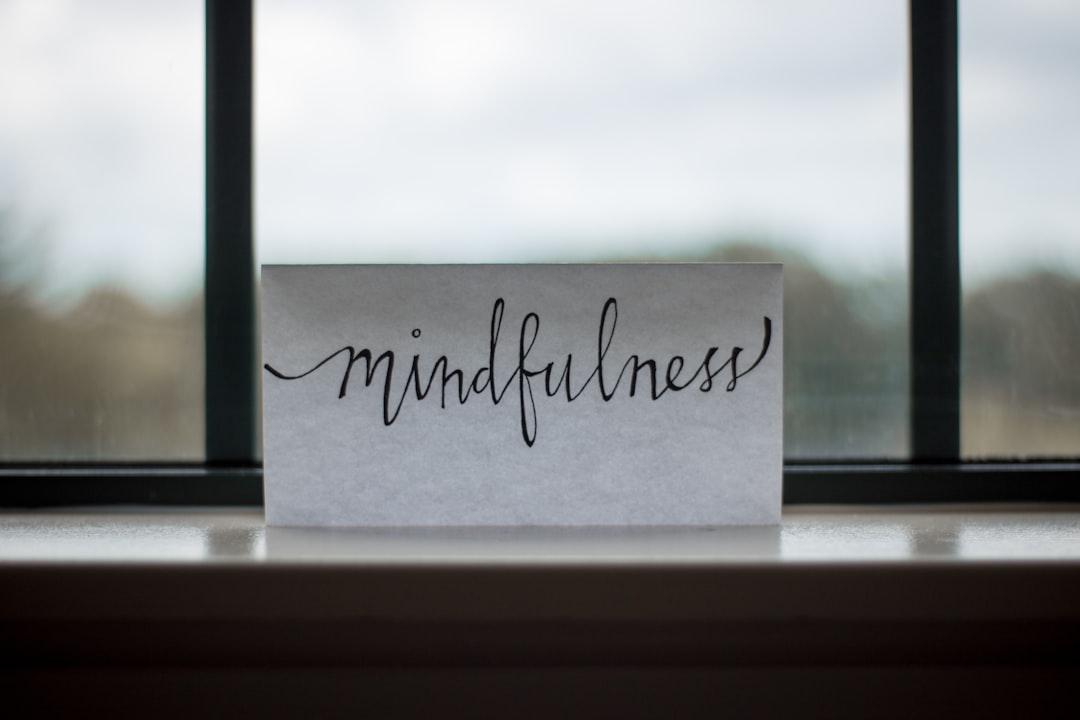
Mindful living strengthens willpower by keeping you present. When you’re present, you’re less likely to act on autopilot.
Mindfulness practices such as conscious breathing, body awareness, or intentional pauses help you recognize impulses before they control you. This awareness leads to self-mastery.
Self-mastery isn’t about control through force. It’s about alignment between intention and action.
How to Build Strong Willpower Naturally Over Time
Strong willpower develops gradually. There’s no shortcut, but there is a reliable path.
By improving emotional control, strengthening habits, reducing mental overload, and practicing awareness, you naturally build mental resilience. Each small success reinforces confidence. Each disciplined action rewires the brain toward consistency.
Over time, what once required effort becomes automatic.
Developing strong willpower and mental control in daily life is not about becoming rigid or harsh with yourself. It’s about learning how your mind works and working with it not against it.
With patience, self-awareness, and intentional habits, anyone can build discipline, emotional strength, and lasting self-control. The journey is gradual, but the results are deeply transformative.