
Ever feel like your mind just won’t stop? Thoughts looping, emotions rising, and no matter what you do, peace feels out of reach.
If you’ve been searching for how to stop overthinking, how to calm your mind, or ways to practice detachment, you’re not alone. Most people don’t realize that the root of their stress isn’t the situation, it’s their attachment to it.
And here’s the truth:
You don’t need to control your thoughts to feel calm. You just need to detach from them.
Let’s understand the one simple detachment trick that can instantly shift your mental state.
What Is Detachment (And What It’s Not)
Before we dive into the trick, let’s clear a common misunderstanding.
Detachment doesn’t mean:
Becoming emotionless
Ignoring people
Suppressing feelings
Real emotional detachment means:
Being aware of your thoughts and emotions without getting consumed by them.
It’s the difference between:
“I am anxious” vs “I notice anxiety is present”
That small shift creates space. And in that space, peace begins.
Personal Session
Want deeper clarity on your thoughts, emotions, or life path? Book a personal session with Sakshi Shree and receive direct guidance to overcome mental chaos and find true inner peace.
Book NowWhy You Feel So Overwhelmed
If your mind feels chaotic, it’s usually because of over-attachment:
Attached to outcomes
Attached to people’s opinions
Attached to your thoughts
This attachment fuels:
Overthinking
Anxiety
Emotional exhaustion
You try to control everything and end up losing control of your own mind.
That’s why letting go techniques are so powerful. Not because they change your life instantly—but because they change how you experience it.
The One Detachment Trick That Instantly Calms Your Mind
Here it is:
Observe, Don’t Absorb
Instead of fighting your thoughts, simply watch them.
Don’t analyze
Don’t judge
Don’t react
Just notice.
When a thought arises:
“What if things go wrong?”
Say internally: “That’s a thought.”
When anxiety comes:
“I feel nervous.”
Shift to: “I notice nervousness.”
This is called awareness-based detachment.
And this one shift:
Breaks the loop of overthinking
Reduces emotional intensity
Creates instant mental clarity
Why This Trick Works So Fast
Your mind thrives on identification.
The moment you say:
“This is MY thought”
You give it power.
But when you observe it as something separate:
“This is A thought”
It loses control over you.
This is the foundation of:
mindfulness and detachment
self awareness practices
conscious living
You’re no longer inside the storm.
You’re watching it pass.
How to Practice This Daily (Simple Steps)
You don’t need hours of meditation. Just small, consistent awareness.
1. Pause and Notice
Whenever you feel overwhelmed:
Stop for a few seconds
Take a deep breath
Notice what’s happening inside
2. Label the Experience
Gently name it:
“Thinking”
“Worrying”
“Feeling anxious”
This creates distance.
3. Don’t Engage
Avoid:
Solving the thought
Arguing with it
Replaying it
Let it come. Let it go.

Detachment in Relationships
One of the hardest areas to practice detachment is with people.
You may wonder:
How to detach from someone?
How to stop caring too much?
Here’s the truth:
Detachment doesn’t mean you stop loving.
It means:
You stop depending
You stop controlling
You stop losing yourself
Healthy detachment in relationships creates:
Emotional independence
Stronger connections
Less anxiety
Because you’re no longer attached to outcomes, you’re present in the moment.
Detachment vs Indifference
Many people confuse detachment with indifference.
But they’re opposites.
Detachment | Indifference |
|---|---|
Aware | Unaware |
Calm | Numb |
Connected | Disconnected |
Conscious choice | Avoidance |
Detachment is deep awareness without emotional chaos.
The Law of Detachment (Powerful Shift)
The more tightly you hold onto something, the more anxious you feel.
But when you let go:
You relax
You trust
You flow
This is often called the law of detachment.
It teaches:
You control your actions, not the outcome.
And ironically, when you detach:
You think clearer
You act better
You feel lighter

Detachment for Overthinking & Anxiety
If you struggle with:
Intrusive thoughts
Constant worrying
Mental exhaustion
Detachment is your reset button.
Instead of asking:
“How do I stop this thought?”
Ask:
“Can I watch this thought without reacting?”
This single shift can:
Calm anxiety fast
Reduce stress
Improve mental clarity
Benefits of Practicing Detachment
When you consistently practice detachment, you’ll notice:
Reduced overthinking
Better emotional control
Increased mental peace
Stronger self-awareness
Less dependency on external validation
You don’t become cold.
You become free.
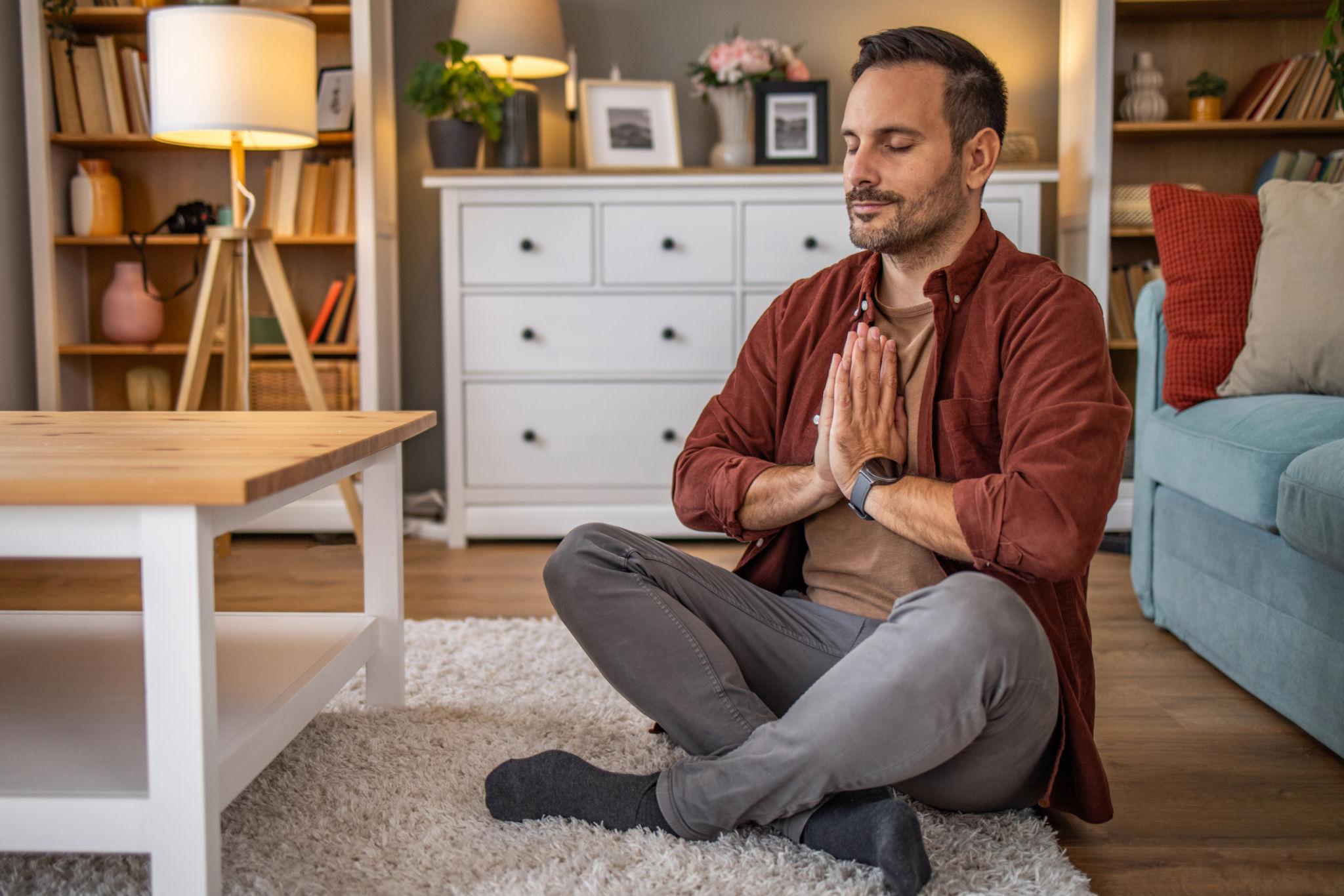
Simple Daily Practice (2-Minute Reset)
Try this right now:
Sit comfortably
Close your eyes
Watch your thoughts like clouds passing
Don’t engage
Even 2 minutes daily can:
Calm your mind
Reduce anxiety
Build inner peace
This is the essence of inner peace meditation.
Peace isn’t something you chase.
It’s something you allow.
And the moment you stop holding onto every thought, emotion, and outcome…
You realize:
You were never the storm.
You were always the sky.
Design Your Destiny
If you’re ready to go beyond overthinking and truly transform your life, join our Design Your Destiny program. Learn how to master your mind, emotions, and life with powerful spiritual clarity.
Start your journey today.