
Starting a daily yoga routine for beginners can be one of the most powerful decisions you make for your physical, mental, and emotional well-being. Unlike intense workouts that may feel overwhelming at first, yoga offers a gentle and sustainable path toward better health. Whether your goal is improving flexibility, reducing stress, increasing strength, supporting weight loss, or creating a healthier lifestyle, yoga provides benefits that extend far beyond the yoga mat.
Many people believe they need to be flexible before starting yoga. The truth is exactly the opposite. Yoga helps you become flexible, balanced, and healthier over time. A consistent daily yoga practice can improve posture, enhance body awareness, reduce anxiety, and strengthen muscles while calming the mind.
The beauty of yoga lies in its simplicity. You do not need expensive equipment or a gym membership. With a few minutes each day, you can build a routine that supports both your physical fitness and mental wellness.
Why Beginners Should Practice Yoga Daily
A regular yoga routine creates long-term benefits that accumulate with consistency. While you may notice some improvements within a few days, the most significant transformations occur when yoga becomes a daily habit.
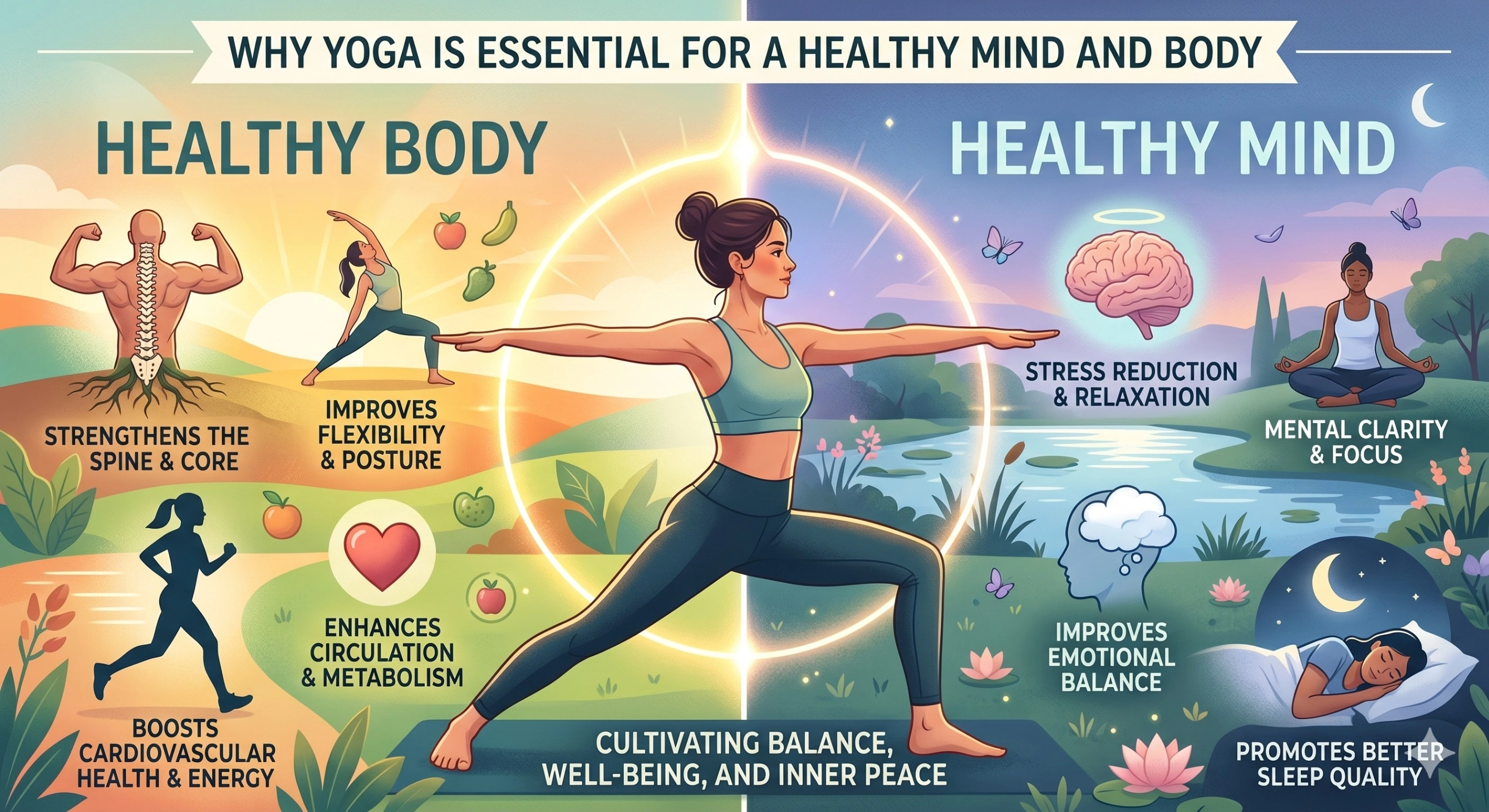
Some major benefits of yoga include:
Improved flexibility and mobility
Better posture and body balance
Enhanced physical fitness
Reduced stress and anxiety
Increased strength and stamina
Better breathing capacity
Improved focus and mindfulness
Greater emotional well-being
Support for healthy weight management
Better sleep quality
Unlike many exercise programs, yoga works simultaneously on the body, mind, and breath. This holistic health approach makes it ideal for beginners seeking overall wellness.
CTA for Design Your Destiny
Your health, happiness, and success begin with the habits you practice every day. Through our Design Your Destiny Program, learn powerful techniques that combine yoga, mindfulness, self-awareness, and spiritual growth to create a healthier and more fulfilling life. Start your journey toward physical wellness, mental clarity, and inner transformation today.
Start Your JourneyHow to Start Yoga for Beginners
If you're wondering how to start yoga for beginners, keep things simple. You don't need to master advanced poses immediately.
Follow these beginner-friendly tips:
Choose a Consistent Time
A daily morning yoga routine for beginners is often recommended because it energizes the body and prepares the mind for the day ahead. However, the best time is ultimately the time you can maintain consistently.
Start Small
Even a 10 minute yoga routine for beginners can provide noticeable benefits. Focus on consistency rather than duration.
Listen to Your Body
Yoga should challenge you gently, not cause pain. Modify poses whenever necessary and progress gradually.
Focus on Breath
Breathing is a foundational aspect of yoga. Deep, controlled breathing helps calm the nervous system and enhances every movement.
The Best Daily Yoga Routine for Beginners
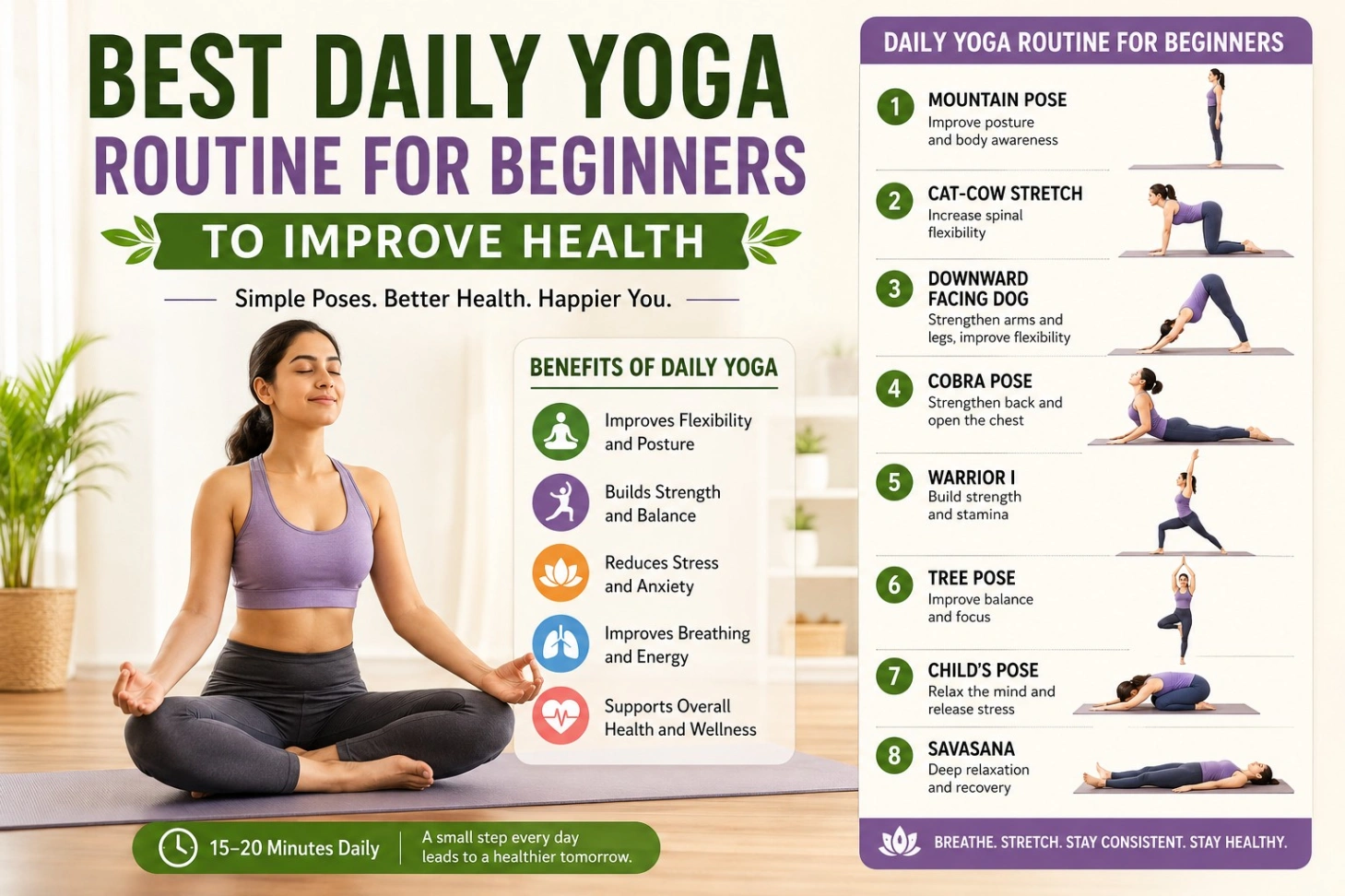
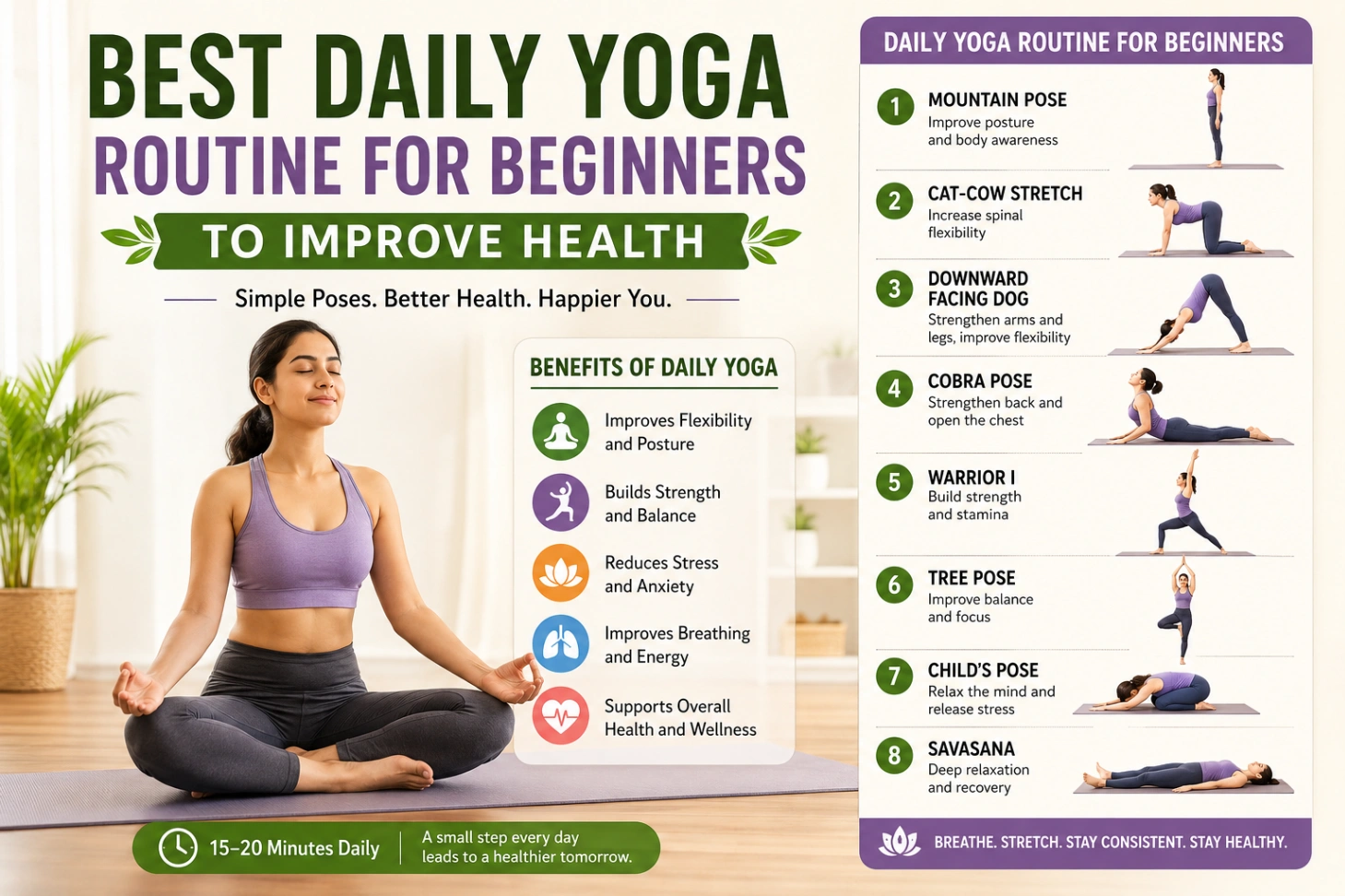
The following beginner yoga routine can be completed in 15 to 20 minutes and is suitable for most healthy adults.
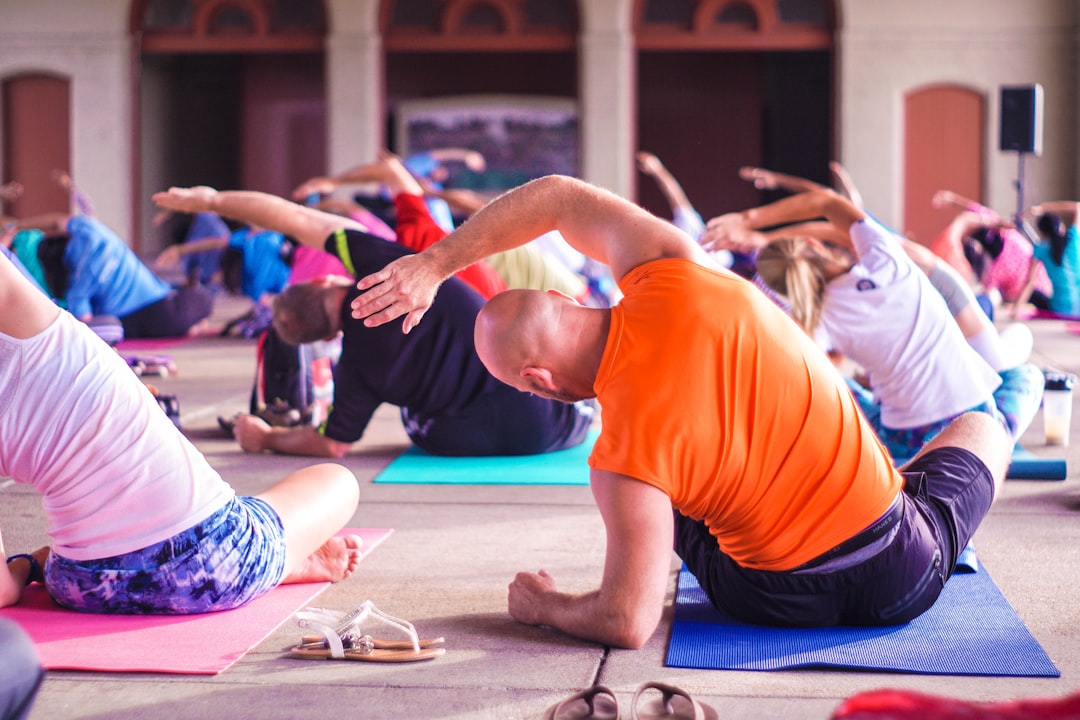
1. Mountain Pose (Tadasana)
Mountain Pose may appear simple, but it teaches proper posture and body awareness.
Benefits:
Improves posture
Enhances balance
Builds body awareness
Strengthens legs
Stand tall with your feet together, shoulders relaxed, and arms by your sides. Take slow, deep breaths while maintaining an upright posture.
2. Cat-Cow Stretch
This gentle movement warms up the spine and improves flexibility.
Benefits:
Increases spinal mobility
Relieves stiffness
Improves posture
Promotes flexibility
Move slowly between arching and rounding your back while coordinating movement with your breath.
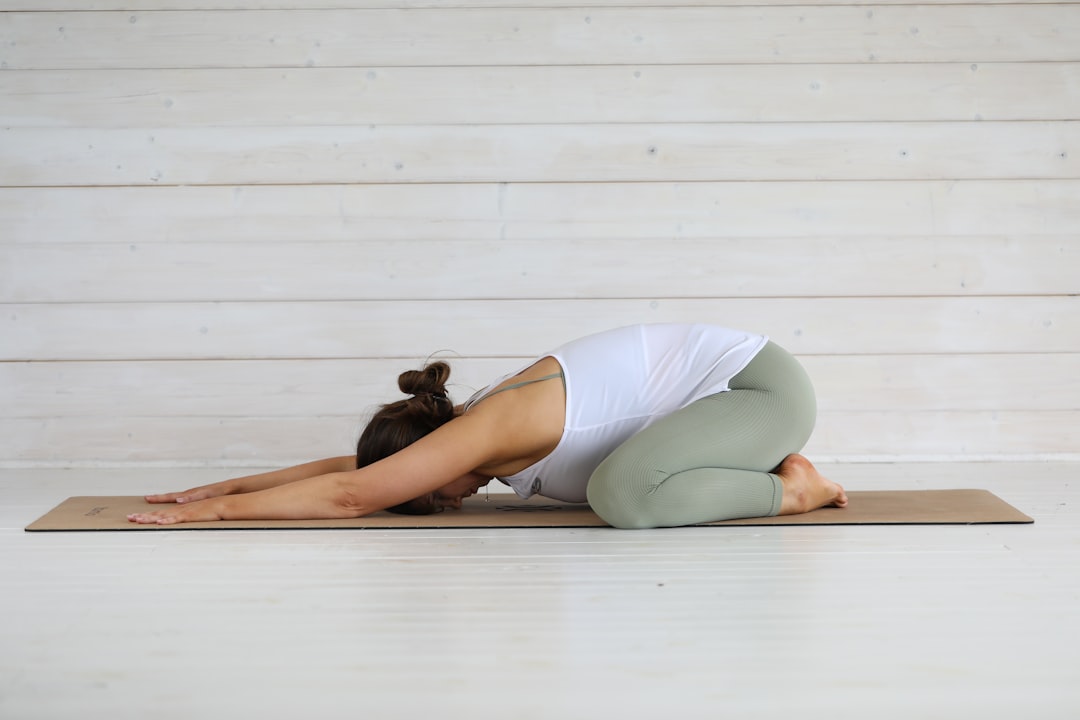
3. Child's Pose
One of the most relaxing yoga poses for beginners.
Benefits:
Relieves stress
Gently stretches the back
Encourages relaxation
Supports mindfulness
Take several deep breaths while resting comfortably in the pose.
4. Downward Facing Dog
This popular yoga asana stretches and strengthens multiple muscle groups.
Benefits:
Improves flexibility
Strengthens arms and legs
Enhances circulation
Increases energy
Beginners can slightly bend their knees if hamstring flexibility is limited.
5. Cobra Pose
Cobra Pose helps strengthen the back while opening the chest.
Benefits:
Improves spinal flexibility
Strengthens back muscles
Enhances posture
Opens the chest
Lift only as high as comfortable while keeping shoulders relaxed.
6. Warrior I
Warrior I develops strength, stability, and confidence.
Benefits:
Builds lower body strength
Improves balance
Enhances endurance
Strengthens core muscles
Focus on maintaining steady breathing throughout the pose.

7. Tree Pose
Tree Pose improves concentration and body balance.
Benefits:
Develops balance
Improves focus
Strengthens legs
Enhances coordination
Use a wall for support if needed.
8. Seated Forward Fold
A gentle stretch that promotes flexibility and relaxation.
Benefits:
Stretches hamstrings
Improves flexibility
Calms the nervous system
Encourages mindfulness
Avoid forcing the stretch. Move only within your comfortable range.
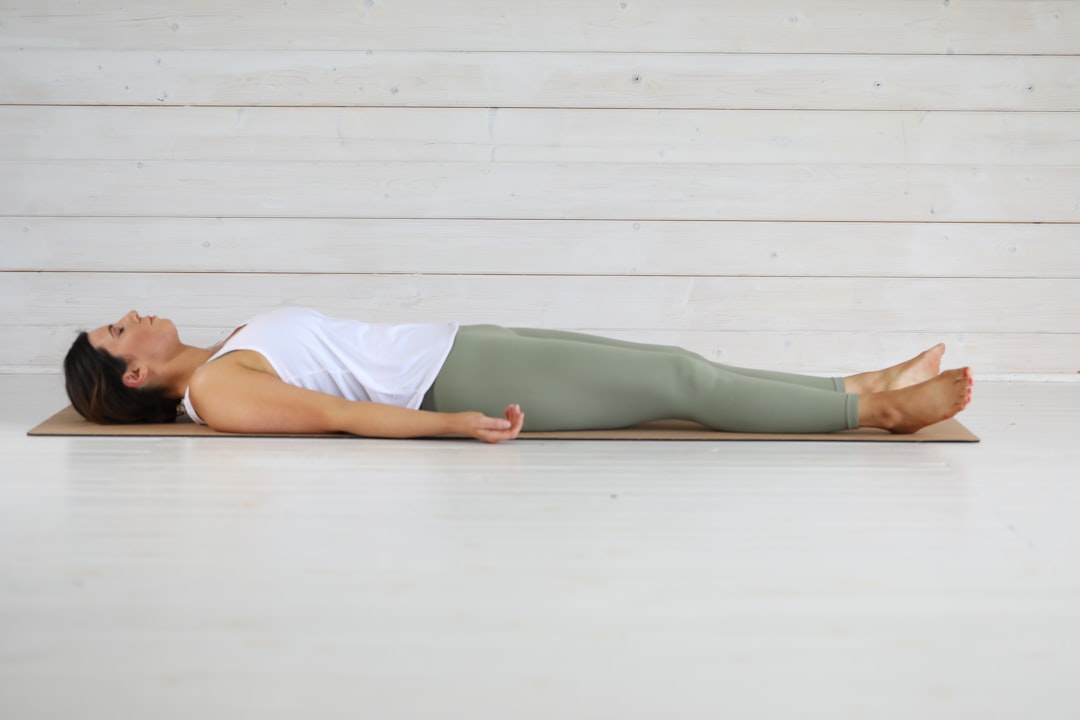
9. Corpse Pose (Savasana)
Every yoga session should end with relaxation.
Benefits:
Reduces stress
Encourages recovery
Promotes mental clarity
Supports emotional balance
Spend several minutes lying comfortably while focusing on your breath.
The Role of Pranayama in Daily Yoga
A complete yoga routine should include pranayama, or breathing exercises.
Breathing practices help regulate energy, reduce stress, and improve mental clarity.
Deep Belly Breathing
One of the easiest techniques for beginners.
Benefits:
Reduces stress
Improves oxygen flow
Calms the mind
Supports relaxation
Practice for 3 to 5 minutes after your yoga session.
Alternate Nostril Breathing
This traditional pranayama technique helps balance mental and emotional energy.
Benefits:
Improves focus
Reduces anxiety
Enhances mindfulness
Promotes emotional stability
Even a few minutes daily can make a noticeable difference.

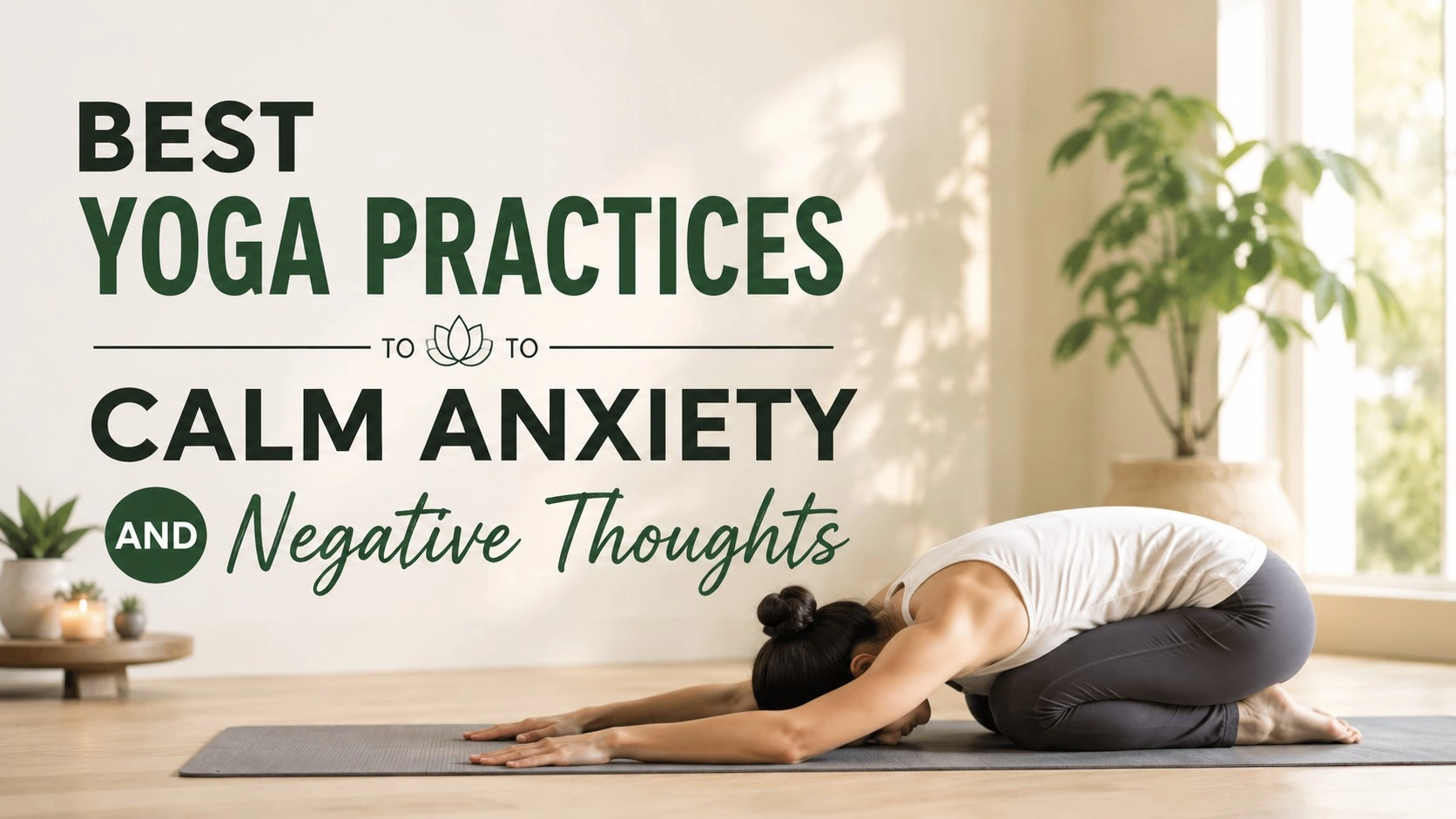
Yoga for Mental Health and Stress Relief
One reason yoga has become so popular worldwide is its positive impact on mental health.
Modern life often creates stress, anxiety, and mental fatigue. A regular yoga practice provides a natural way to reset both body and mind.
Yoga supports mental wellness by:
Lowering stress levels
Improving emotional regulation
Enhancing concentration
Reducing mental clutter
Supporting mindfulness
Encouraging relaxation
The combination of movement, breath control, and meditation creates a powerful stress-management system.
Yoga for Flexibility and Strength
Many beginners start yoga hoping to become more flexible. While flexibility is a major benefit, yoga also builds strength throughout the body.
A consistent yoga routine for flexibility and strength helps:
Improve joint mobility
Strengthen core muscles
Build muscular endurance
Enhance athletic performance
Reduce injury risk
The balance between strength and flexibility is what makes yoga unique compared to many traditional exercise methods.
Combining Meditation and Yoga
The connection between meditation and yoga creates a complete wellness routine.
Meditation helps train the mind while yoga trains both the body and breath.
Simple meditation practices can:
Improve focus
Reduce stress
Increase self-awareness
Enhance emotional well-being
Support healthy living
Even five minutes of meditation after yoga can amplify the benefits of your daily practice.

Common Mistakes Beginners Should Avoid
When starting yoga at home, avoid these common mistakes:
Trying Advanced Poses Too Soon
Focus on mastering foundational movements first.
Comparing Yourself to Others
Yoga is a personal journey. Progress happens at different speeds for everyone.
Ignoring Breath
Breath is central to yoga. Never sacrifice breathing quality for a deeper pose.
Being Inconsistent
A short daily session is more beneficial than a long session performed occasionally.
Creating a Healthy Lifestyle with Yoga
Yoga is most effective when integrated into a broader healthy lifestyle.
Support your yoga practice by:
Drinking plenty of water
Eating nutritious foods
Getting adequate sleep
Practicing mindfulness
Managing stress effectively
Maintaining positive habits
Over time, these practices work together to create lasting wellness and holistic health.
The best daily yoga routine for beginners is one that feels sustainable, enjoyable, and realistic. You do not need perfect flexibility or advanced skills to experience the benefits. By practicing simple yoga exercises consistently, you can improve physical health, mental wellness, flexibility, strength, and overall quality of life.
Whether you begin with a 10-minute session or a full morning yoga routine, every step contributes to a healthier mind and body. Stay patient, stay consistent, and allow yoga to become a natural part of your daily wellness journey.
CTA for Personal Session
Looking for personalized guidance on your wellness journey? Book a one-on-one personal session and receive customized support tailored to your unique goals. Whether you want to improve your health, manage stress, develop mindfulness, or create lasting positive habits, our personalized sessions can help you move forward with confidence and clarity.
Book Now