
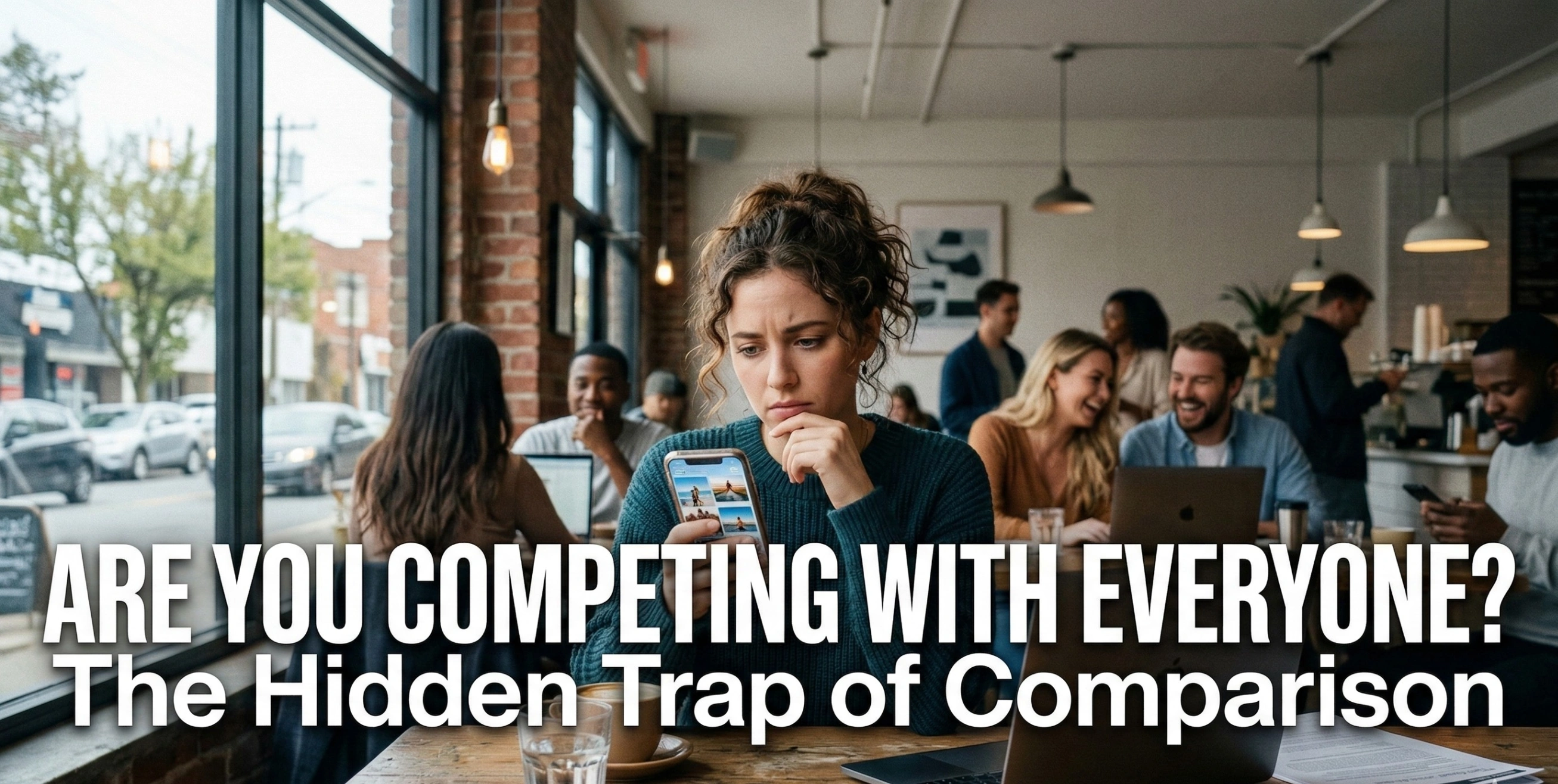
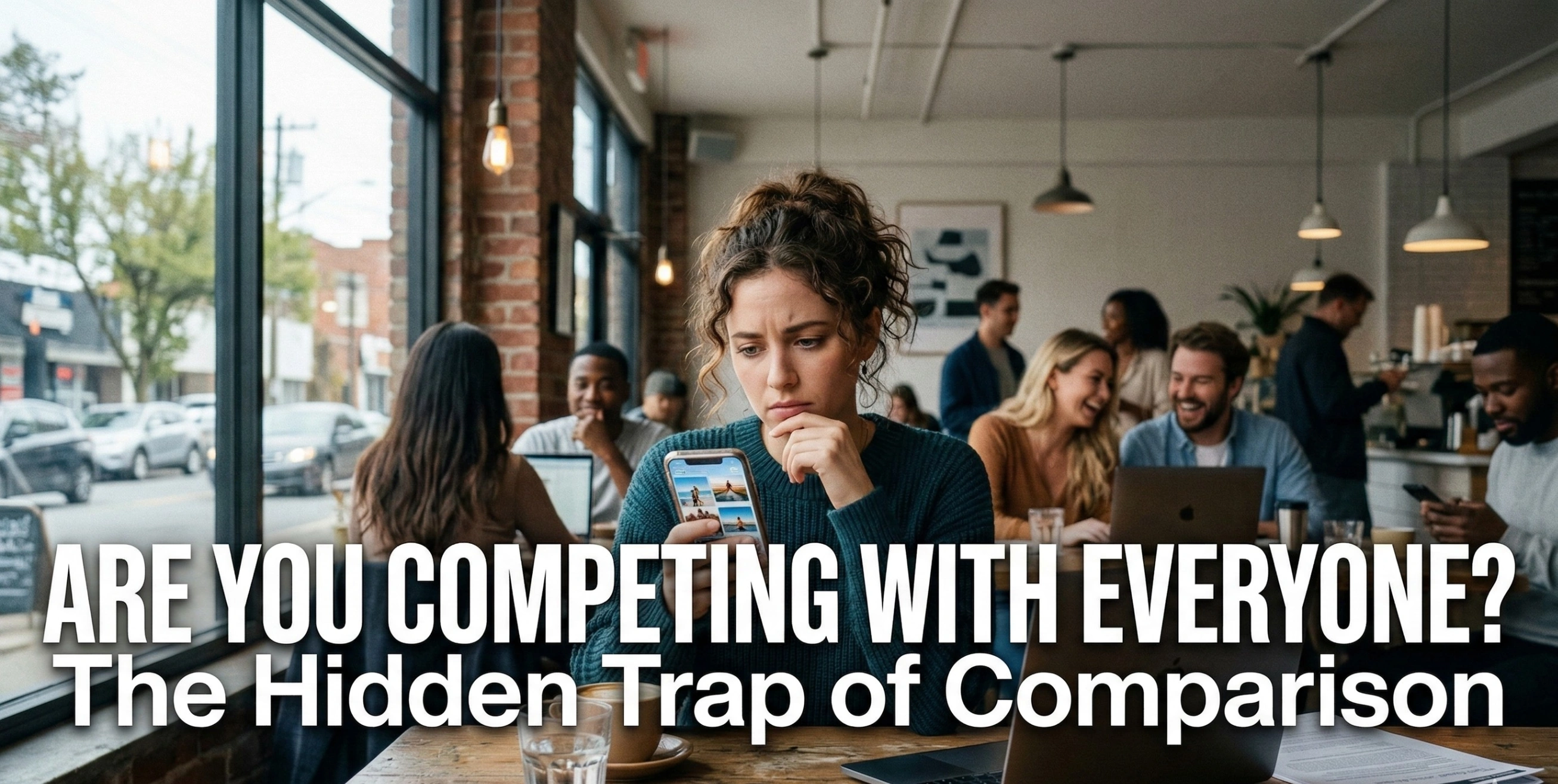
Have you ever felt like life is a constant race where everyone around you seems ahead? Someone has a better career, a better lifestyle, or appears happier. This feeling often comes from social comparison, a psychological habit where we measure our life against others.
While a small amount of comparison can motivate us, constant comparing yourself to others can quietly damage your happiness, confidence, and mental well-being. Many people today unknowingly fall into the comparison trap, believing that life is a competition. But the truth is, this mindset can block personal growth and inner peace.
In this blog, we will explore the psychology of comparison, why humans compare themselves with others, how this habit affects self-esteem and happiness, and most importantly, how to stop comparing yourself to others and focus on your own path.
What Is Social Comparison?
The concept of social comparison psychology explains why humans constantly evaluate themselves in relation to others. According to social comparison theory, people naturally judge their success, abilities, and worth by comparing themselves to others.
For example:
You compare your salary with a colleague.
You compare your lifestyle with someone on social media.
You compare your achievements with your friends.
This comparison mindset often develops subconsciously. Your brain constantly tries to understand where you stand in society.
While this instinct once helped humans survive in groups, in modern society it often leads to comparison anxiety, insecurity, and dissatisfaction.
Why Do We Compare Ourselves to Others?
Understanding why we compare ourselves to others helps break the pattern.
1. The Brain Wants Validation
Humans want to know whether they are doing well in life. Comparing ourselves gives the brain a quick reference point.
Unfortunately, this habit often leads to comparison and self-esteem issues, because we usually compare our weaknesses with someone else's strengths.
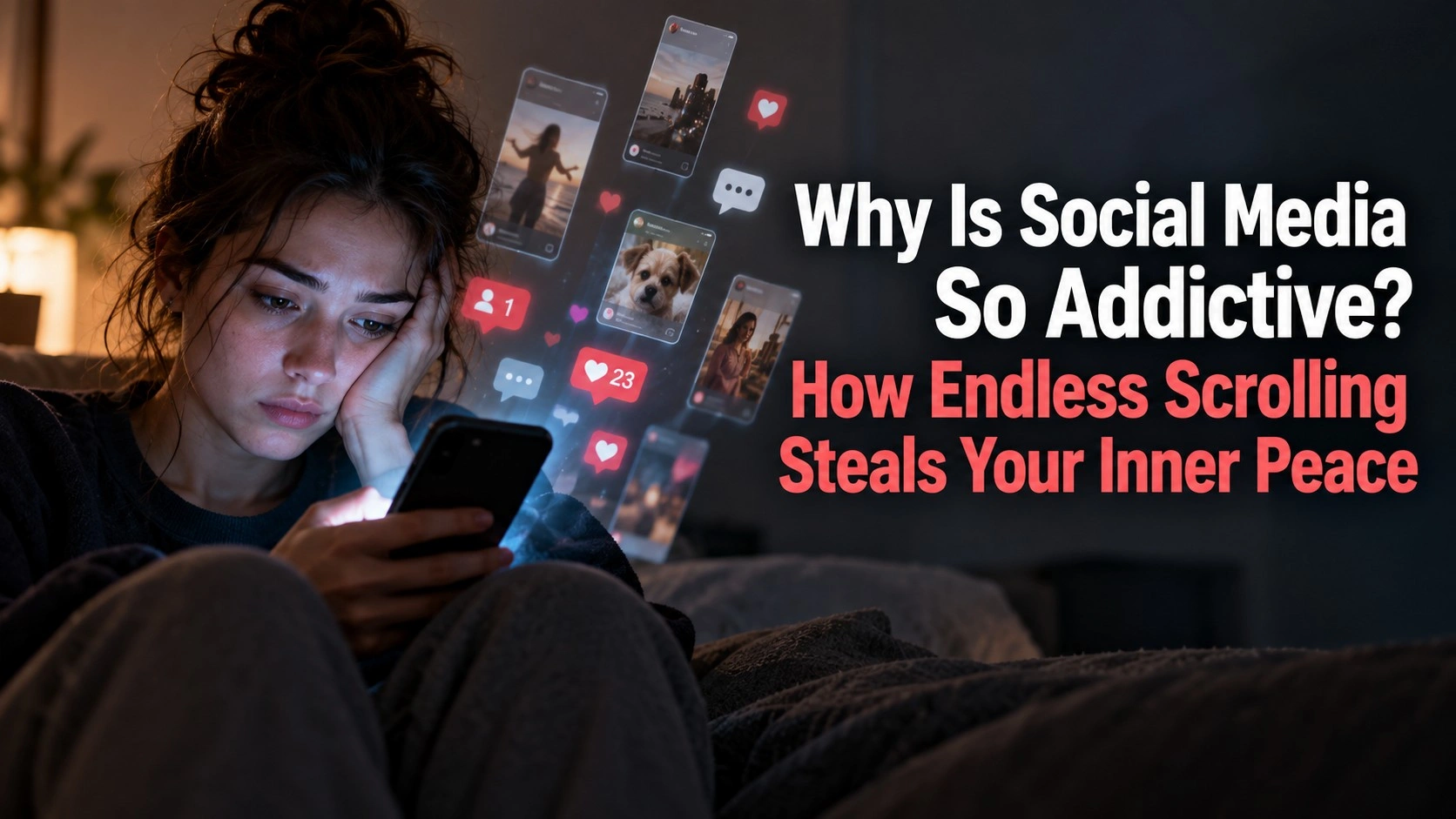
2. Social Media Intensifies Comparison
Today, social media comparison has amplified this problem. Platforms show only the best moments of people’s lives — vacations, achievements, and success.
When you constantly see these highlights, your brain assumes everyone else is happier or more successful.
This creates comparison and mental health challenges, including anxiety and self-doubt.
3. Society Encourages Competition
From childhood, people are conditioned into a competition mindset.
School rankings, promotions at work, and social expectations all reinforce the idea that life is about beating others.
This creates a dangerous belief that life is a competition instead of a personal journey.

The Hidden Dangers of the Comparison Trap
The comparison trap may appear harmless, but it has powerful psychological effects.
1. Comparison Steals Happiness
One of the biggest negative effects of comparison is that it steals your ability to enjoy your own achievements.
No matter how much you accomplish, someone else will always appear ahead.
This mindset prevents satisfaction and gratitude.
2. Comparison Creates Insecurity
Constant comparison fuels comparison and insecurity.
You begin questioning your worth, your abilities, and your path in life.
Over time, this can damage self-confidence and self-worth.
3. Comparison Leads to Jealousy
The psychology of comparison often leads to jealousy.
Instead of celebrating others' success, you may feel threatened by it.
This damages relationships and creates emotional stress.
4. Comparison Blocks Personal Growth
When you constantly look at others, you stop focusing on your own development.
The difference between competition vs self growth is simple:
Competition focuses on beating others.
Growth focuses on improving yourself.
Only one of these leads to lasting success.
Comparison in Modern Society
Modern culture has made comparison in modern society almost unavoidable.
Everywhere you look:
Career achievements are compared
Lifestyle standards are compared
Relationships are compared
Even personal happiness becomes a competition.
Many people unknowingly adopt a toxic comparison mindset, believing they must constantly prove their worth.
But life is not meant to be lived through someone else’s scoreboard.
How Comparison Affects Self-Esteem
One of the strongest effects of comparison is its impact on comparison and self esteem.
When you compare yourself with someone who seems more successful, the mind automatically concludes:
“I am not enough.”
This belief slowly erodes confidence.
Over time, comparison and self worth become tightly connected. Your value begins to depend on how you rank against others.
But true confidence never comes from comparison. It comes from self awareness and self acceptance.
The Psychological Effects of Competition
The psychological effects of competition can be both positive and negative.
Healthy competition can motivate growth. But unhealthy comparison creates stress and dissatisfaction.
Signs of a toxic comparison mindset include:
Constantly checking others’ progress
Feeling anxious about others' success
Comparing career success with peers
Measuring self-worth through achievements
This mindset often leads to comparison anxiety and emotional burnout.

Social Media and the Comparison Mindset
Social media has created a powerful comparison mindset psychology.
People often compare:
Physical appearance
Lifestyle
Career success
Relationships
But what you see online is rarely reality.
Most people only share their best moments, not their struggles.
When you compare your real life with someone else’s highlight reel, the comparison is unfair from the beginning.
How to Stop Comparing Yourself to Others
Breaking the comparison trap requires awareness and mindset change.
1. Practice Self-Awareness
Recognize when your mind begins comparing.
This awareness helps interrupt the pattern before it damages your mood.
2. Focus on Your Own Journey
Instead of comparing your life with others, focus on your own progress.
Ask yourself:
Am I improving?
Am I learning?
Am I growing?
This shift changes your focus from competition to personal growth.
3. Limit Social Media Comparison
Reducing time on social media can significantly reduce comparison anxiety.
Remember that online content rarely reflects reality.
4. Develop Self-Acceptance
Learning self acceptance helps you appreciate your strengths and limitations.
When you accept yourself fully, comparison loses its power.
5. Build Inner Confidence
True confidence comes from developing inner confidence, not external validation.
Your worth is not determined by someone else’s achievements.
Shifting From Competition to Growth
One of the most powerful mindset shifts is moving from competition mindset to growth mindset.
Instead of asking:
“Am I better than others?”
Ask:
“Am I becoming better than I was yesterday?”
This change transforms the way you see life.
Growth is infinite. Competition is limited.
When you focus on growth, someone else’s success becomes inspiration instead of threat.
The Path to Inner Peace
Inner peace comes when you stop measuring your life against others.
Comparison keeps the mind restless. But self-awareness creates clarity.
When you focus on personal growth mindset, you develop:
emotional intelligence
self awareness
inner confidence
Life becomes less about proving your worth and more about discovering your purpose.
The comparison trap is one of the most common psychological habits in modern life. Society constantly encourages competition, but true fulfillment does not come from beating others.
It comes from understanding yourself.
The moment you stop competing with everyone and start focusing on your own journey, life becomes lighter and more meaningful.
Success is not about being ahead of others.
It is about becoming the best version of yourself.
If you want to stop living in comparison and start consciously shaping your life, explore the Design Your Destiny Course by Sakshi Shree.
Learn how to reprogram your mind, understand the deeper laws of life, and create the future you truly desire.