
The Srimad Bhagavad Gita is more than just a holy scripture; it is a timeless manual for life. For thousands of years, this 700-verse conversation has guided seekers toward clarity, peace, and purpose. However, picking up such a profound text can feel intimidating.
If you are looking for Bhagavad Gita for beginners, you have come to the right place. This guide is designed to demystify the text, explaining how to read Bhagavad Gita effectively and applying its ancient wisdom to your modern life.
What is the Bhagavad Gita?
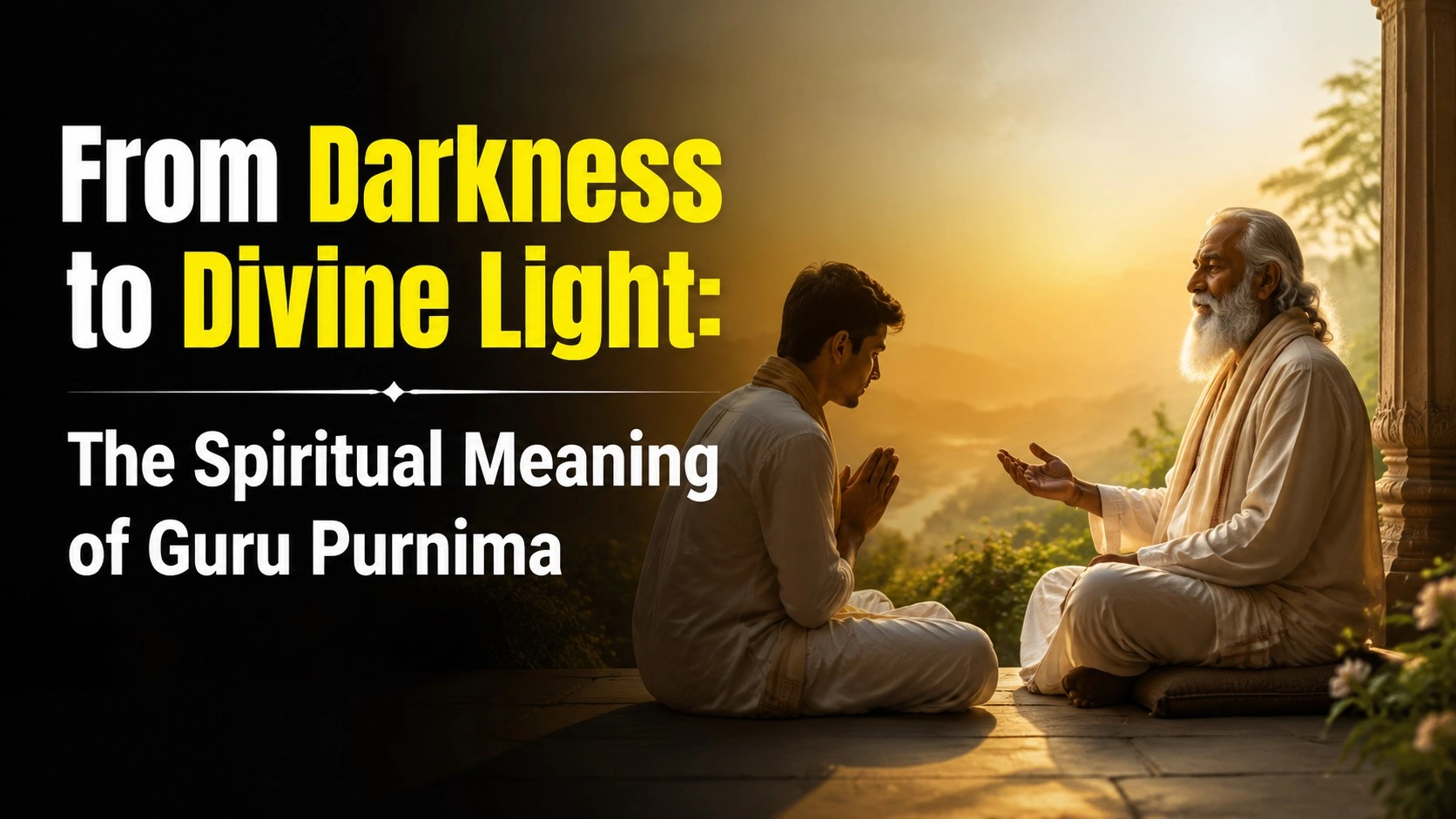
To understand the meaning of Bhagavad Gita, we must look at the context. The title translates to "The Song of God." It is a dialogue between Lord Krishna (the divine teacher) and Prince Arjuna (the warrior and seeker).
The conversation takes place on the Kurukshetra battlefield, moments before a massive war is about to begin. Arjuna is overcome with doubt, fear, and moral confusion. He collapses, refusing to fight. In this moment of crisis, Krishna imparts spiritual wisdom that transforms Arjuna from a confused warrior into an enlightened soul.
While it is a central text of Sanatana Dharma (Hinduism), its message is universal. It addresses the conflict we all face: the internal battle between right and wrong, selfishness and duty.
Why Read the Gita Now? The Benefits
You might wonder, "Why should I read an ancient text today?" The benefits of reading Bhagavad Gita are vast and surprisingly relevant to the 21st century.
1. Bhagavad Gita for Anxiety and Stress
In a world driven by deadlines and pressure, the Gita offers a cure. Krishna teaches Arjuna how to act without anxiety about the results. This detachment is the key to mental peace.
2. Bhagavad Gita for Students
For students and young professionals, the Gita is a masterclass in focus. It teaches the art of concentration and how to master the mind, making it an essential tool for academic and career success.
3. Timeless Gita Life Lessons
The text answers the "Big Questions": Who am I? What is my purpose? How do I find happiness?
Core Concepts: Bhagavad Gita Explained
Before diving into the chapters, it helps to understand the main themes. Here are the pillars of the text:
Dharma (Duty): This is the cosmic law of righteousness. The Gita teaches that you must follow your own path (Svadharma) rather than imitating others.
Karma Yoga Bhagavad Gita: This is the "Yoga of Action." Krishna advises Arjuna to perform his duty simply because it is the right thing to do, without attachment to the outcome (success or failure).
Self-Realization: Understanding that you are not the perishable body, but the eternal soul (Atman).
Moksha: Liberation from the cycle of birth and death, the ultimate goal of human life.
How to Start Reading Bhagavad Gita for the First Time
Many people ask, "How to start reading Bhagavad Gita for the first time?" If you try to read it like a novel, you may get stuck. Here is a step-by-step approach:
Find the Best Bhagavad Gita for Beginners: Do not start with a complex scholarly translation. Look for versions with simple commentary. Books by Eknath Easwaran or Swami Mukundananda are often recommended for first-timers.
Read One Shloka (Verse) a Day: Don't rush. The Gita is dense. Read one verse and its meaning, then reflect on it throughout your day.
Use a Chant: Listening to the Sanskrit recitation can be calming, even if you don't understand the language immediately.
Which Chapter of Bhagavad Gita to Read First?
While you can start from Chapter 1, many experts suggest beginners start with Chapter 2 (Sankhya Yoga) because it provides a condensed summary of the entire Gita. Alternatively, Chapter 12 (Bhakti Yoga) is very short, sweet, and focuses on devotion, making it an easy entry point.
Bhagavad Gita Summary Chapter by Chapter
To give you a roadmap, here is a very brief Bhagavad Gita summary chapter by chapter:
Chapter 1: Arjuna’s Despondency. Arjuna sees his family on the battlefield and refuses to fight.
Chapter 2: The Yoga of Knowledge. Krishna begins his teaching, explaining the immortality of the soul.
Chapter 3: Karma Yoga. The path of selfless action.
Chapter 4: Transcendental Knowledge. The history of the Gita and the nature of the Avatar.
Chapter 5: Renunciation. How to live in the world without being of the world.
Chapter 6: Meditation. Mastering the mind through Dhyana Yoga.
Chapter 7: Knowledge and Wisdom. Understanding the nature of God.
Chapter 8: The Imperishable Brahman. What happens at the time of death?
Chapter 9: The King of Secrets. The glory of devotion.
Chapter 10: Divine Glories. Seeing God in all magnificent things.
Chapter 11: The Cosmic Form. Krishna reveals his Viswaroop (universal form) to Arjuna.
Chapter 12: Bhakti Yoga. The path of love and devotion.
Chapter 13: Nature, the Enjoyer, and Consciousness. Distinguishing between the body and the soul.
Chapter 14: The Three Gunas. Understanding the modes of nature: Goodness, Passion, and Ignorance.
Chapter 15: The Supreme Person. The story of the eternal banyan tree.
Chapter 16: Divine and Demoniac Natures. Traits that lead to liberation vs. bondage.
Chapter 17: Three Divisions of Faith. How food and worship affect our consciousness.
Chapter 18: Liberation by Renunciation. The final summary and the call to surrender.
Inspiring Bhagavad Gita Quotes in English
Here are a few verses to inspire your reading:
"You have the right to perform your prescribed duty, but you are not entitled to the fruits of action." (Chapter 2, Verse 47)
"For the soul, there is neither birth nor death at any time... He is not slain when the body is slain." (Chapter 2, Verse 20)
"When a man dwells on the pleasure of sense objects, attraction for them arises in him. From attraction arises desire, the lust of possession, and this leads to passion, to anger." (Chapter 2, Verse 62)
Starting your journey with the Srimad Bhagavad Gita is one of the best decisions you can make for your mental and spiritual well-being. It is not just a book to be read; it is a guide to be lived.
Whether you are looking for Bhagavad Gita for anxiety and stress, or simply seeking Gita life lessons, the wisdom of Lord Krishna is waiting for you. Start small, be consistent, and let the wisdom unfold.
Frequently Asked Questions (FAQ)
1. What is the difference between Bhagavad Gita and Mahabharata?
The Mahabharata is a massive epic history of ancient India containing over 100,000 verses. The Bhagavad Gita is a small, 700-verse section within the Mahabharata (found in the Bhishma Parva book). Think of the Mahabharata as the library and the Gita as the most important book inside it.
2. What does Krishna say in the Gita regarding success?
Krishna teaches that true success comes from focusing on your effort rather than the result. When you remove the fear of failure, you perform at your highest potential. This is the essence of Karma Yoga.
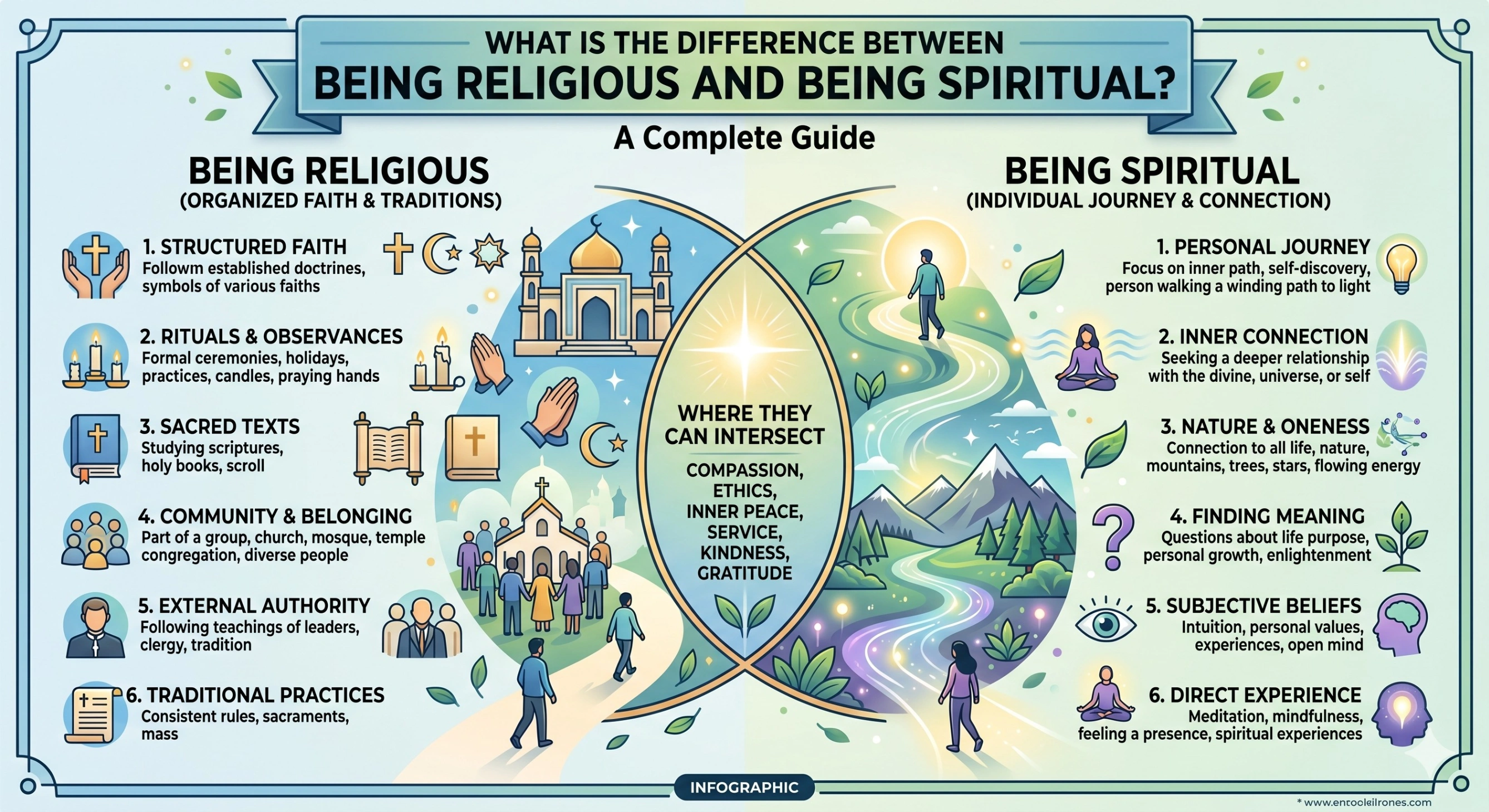
3. Is Bhagavad Gita religious or spiritual?
While it is a scripture of Sanatana Dharma, the Bhagavad Gita explained is largely spiritual and philosophical. It deals with the mind, the self, and the universe, making it relevant to people of all backgrounds, not just Hindus.
4. How long does it take to read the Gita?
If you read the verses only, it takes about 3-4 hours. However, to truly understand the Bhagavad Gita summary and commentary, it can take weeks or months. It is meant to be digested slowly.
5. Can I read the Gita at night?
Yes, you can read the Gita at any time. Many people find reading a few shlokas before bed helps calm the mind and ensures better sleep.