
Basant Panchami is one of the most meaningful festivals in India, marking the arrival of spring and celebrating knowledge, wisdom, creativity, and fresh beginnings. Observed on the fifth day (Panchami) of the bright half of the Hindu month of Magha, Basant Panchami is closely associated with Goddess Saraswati, the deity of learning, arts, and intellect. Across India, this day is welcomed with devotion, yellow hues, and a renewed focus on growth—both spiritual and intellectual.
Unlike many festivals filled with loud celebrations, Basant Panchami carries a calm, hopeful energy. It gently signals a transition from winter to spring, from stillness to movement, and from preparation to action. That is why Basant Panchami is widely regarded as a festival of knowledge and new beginnings.
What Is Basant Panchami?
Basant Panchami, also known as Vasant Panchami, is a Hindu festival that welcomes the onset of spring. The word “Basant” means spring, and “Panchami” refers to the fifth lunar day. Together, they represent the moment when nature begins to awaken after winter.
This festival holds deep spiritual and cultural meaning in India. Fields begin to bloom with mustard flowers, trees show new leaves, and the earth takes on a golden-yellow glow mirroring the color most closely associated with Basant Panchami.
Why Is Basant Panchami Celebrated?
Many people ask, why is Basant Panchami celebrated? The answer lies in its powerful symbolism.
Basant Panchami is celebrated to:
Honor Goddess Saraswati, the source of wisdom, learning, music, and speech
Welcome the spring season, which represents renewal and hope
Encourage new beginnings, especially in education, arts, and meaningful work
In Hindu culture, this day is considered highly auspicious for starting new ventures, beginning studies, learning music, or initiating creative projects.
Basant Panchami Significance in Hindu Culture
The significance of Basant Panchami goes beyond rituals. It reflects the human desire to grow, learn, and evolve. In ancient India, scholars, poets, and artists would dedicate this day to Saraswati Puja, seeking clarity of thought and excellence in their craft.
Even today, Basant Panchami remains deeply connected with:
Education and learning
Intellectual discipline
Positive thinking
Spiritual clarity
That is why Basant Panchami is often referred to as the festival of knowledge in Hinduism.
Basant Panchami in India: How It Is Celebrated
Basant Panchami in India is celebrated differently across regions, yet the essence remains the same.
In schools and colleges, Saraswati Puja is performed, especially for students
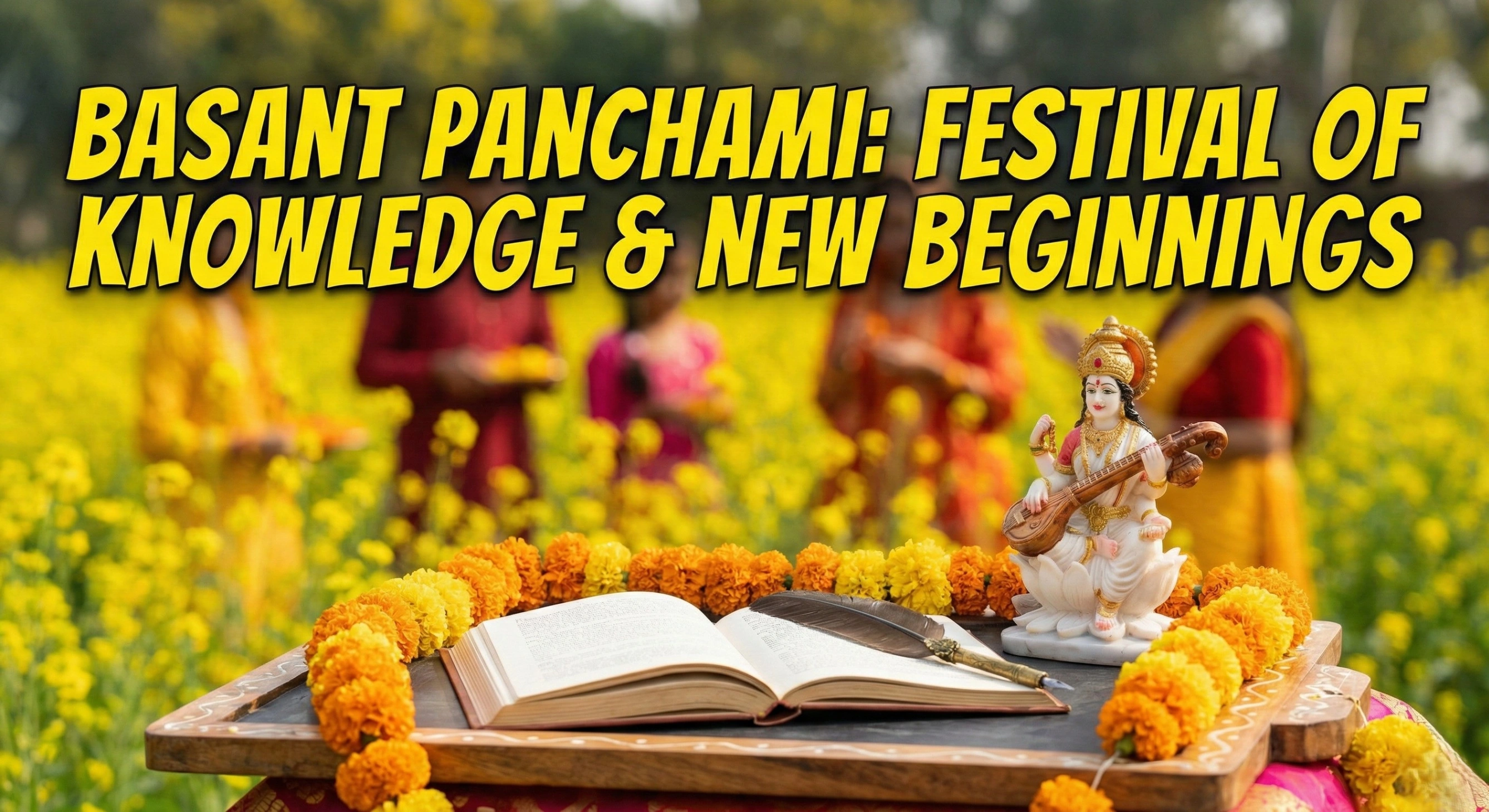
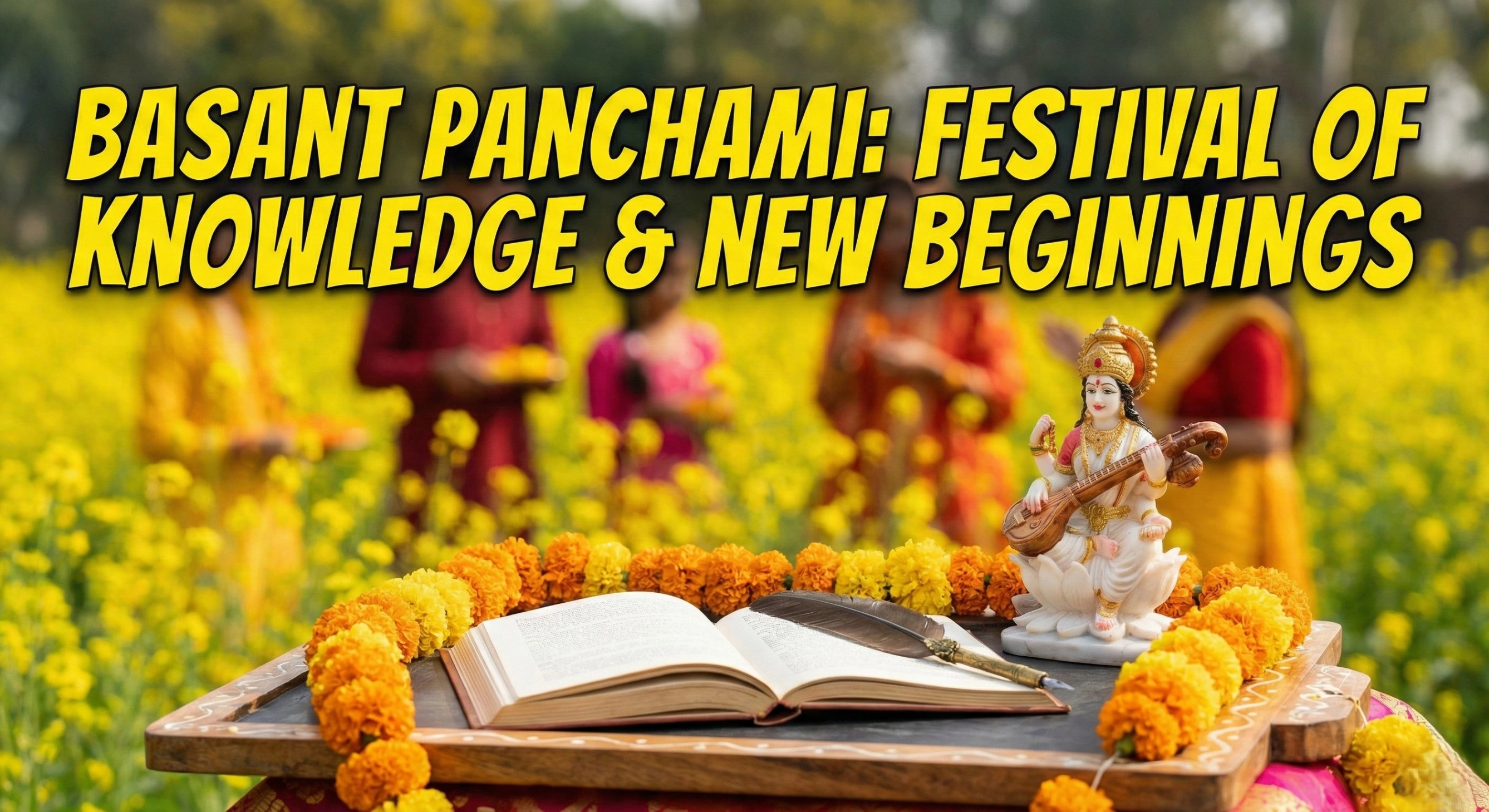
In homes, people worship Goddess Saraswati and keep books and instruments near the altar
In temples, special prayers and offerings are made
In rural areas, farmers celebrate the beginning of the spring harvest
Kites flying in yellow skies, traditional food, devotional music, and calm prayers make Basant Panchami celebration both joyful and meaningful.

Saraswati Puja on Basant Panchami
One of the most important aspects of this festival is Saraswati Puja Basant Panchami.
Goddess Saraswati is worshipped as the embodiment of:
Knowledge
Wisdom
Speech
Music and arts
People pray for mental clarity, focus, creativity, and success in learning. Students especially seek blessings for education and academic growth, making Basant Panchami highly significant for learners.
Basant Panchami Puja Vidhi and Rituals
The Basant Panchami puja is simple yet deeply symbolic.
Common Basant Panchami rituals include:
Cleaning the home and puja space early in the morning
Wearing yellow clothes
Offering yellow flowers, fruits, and sweets
Placing books, musical instruments, or tools near Goddess Saraswati
Avoiding reading or writing before the puja (in some traditions)
The Basant Panchami puja vidhi emphasizes purity, devotion, and intention rather than elaborate rituals.
Why Yellow Is Worn on Basant Panchami
One of the most searched questions is why yellow is worn on Basant Panchami.
Yellow symbolizes:
Knowledge and wisdom
Energy and positivity
Blooming mustard fields during spring
The significance of yellow colour on Basant Panchami lies in its ability to uplift mood and represent enlightenment. This is why the festival is also known as the festival of yellow Basant Panchami.
Basant Panchami and the Beginning of Spring
Basant Panchami marks the beginning of spring, a season associated with growth, warmth, and renewal. Nature begins to transform, reflecting the inner transformation encouraged by the festival.
The Basant Panchami spring festival reminds us that every phase of life has a purpose and change often begins quietly before it becomes visible.
Basant Panchami for Students and Learners
For students, Basant Panchami holds special importance. It is believed that starting education, reading, or skill-based learning on this day brings long-term benefits.
That is why:
Children are introduced to writing (Vidyarambh)
Students pray for focus and confidence
Artists seek creative inspiration
This makes Basant Panchami deeply connected to growth through learning.
Basant Panchami: A Festival of New Beginnings
Another key reason Basant Panchami is cherished is its association with new beginnings.
Many people choose this day for:
Starting a new job or business
Beginning spiritual practices
Learning something new
Setting positive intentions
The calm yet hopeful energy of the day supports meaningful starts rather than rushed decisions.
Basant Panchami According to the Hindu Calendar
According to the Hindu calendar, Basant Panchami falls in the month of Magha. Many people search for Basant Panchami date, Basant Panchami kab hai, or Basant Panchami according to Hindu calendar to plan puja and rituals in advance.
Basant Panchami 2026: What to Know
Interest in Basant Panchami 2026 reflects how people prepare early for spiritual festivals. Checking the Basant Panchami date 2026 and Basant Panchami puja time helps families observe the rituals properly and mindfully.
Spiritual Meaning of Basant Panchami
The Basant Panchami spiritual meaning lies in inner awakening. Just as nature sheds winter dullness, humans are encouraged to let go of ignorance, confusion, and stagnation.
The festival gently teaches that:
Knowledge brings freedom
Learning is lifelong
Growth begins with intention
Why Is Basant Panchami Important Even Today?
In a fast-paced world, Basant Panchami reminds us to pause and reconnect with wisdom, learning, and purpose. It balances ambition with clarity and action with reflection.
That is why people still ask:
What is Basant Panchami?
Why is Basant Panchami important?
The answers lie in its timeless relevance.
Basant Panchami is not just a festival; it is a reminder. A reminder that learning never ends, new beginnings are always possible, and growth starts from within. Whether celebrated through Saraswati Puja, wearing yellow, or setting fresh intentions, Basant Panchami remains a powerful symbol of knowledge, positivity, and renewal in India.