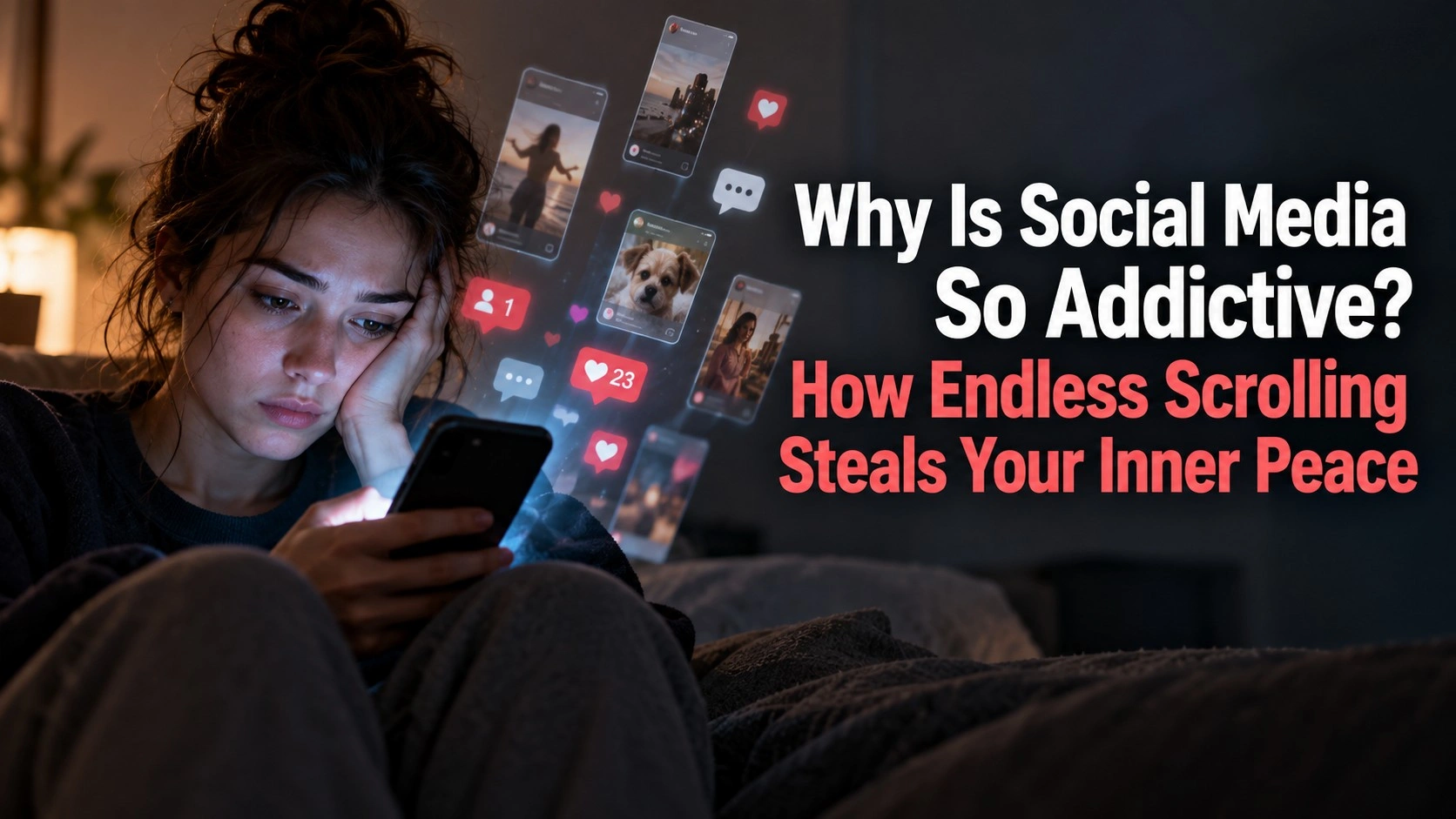

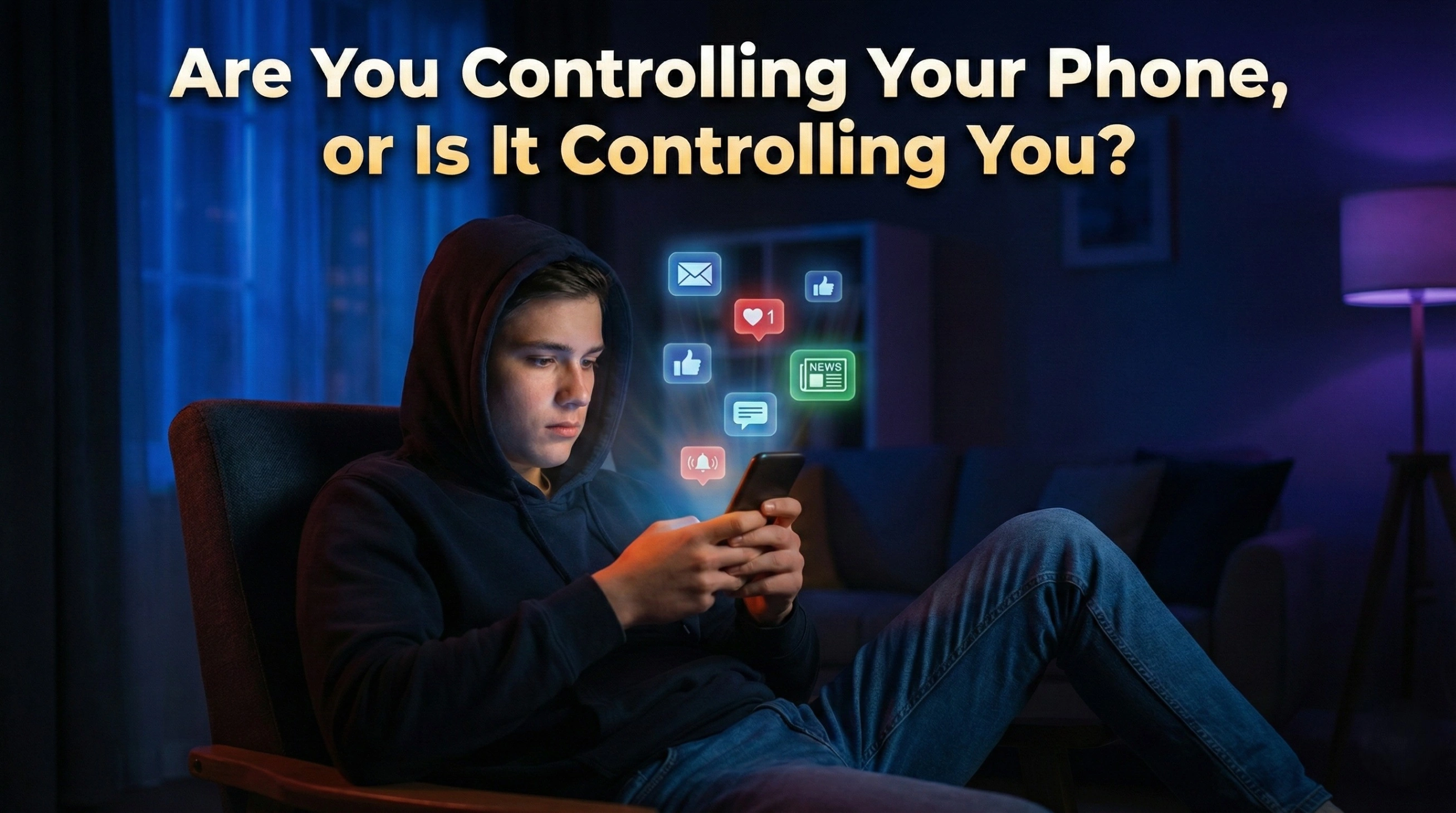
Take a moment and think about it honestly how many times have you checked your phone today without a real reason? Phone addiction has quietly become one of the most common struggles of modern life. What starts as a helpful tool often turns into excessive phone use, constant scrolling, and an invisible dependence that affects our focus, mental health, and relationships. The question isn’t whether smartphones are useful they are but whether you are controlling your phone, or it is controlling you.
The Rise of Smartphone Addiction in Everyday Life
Smartphone addiction doesn’t announce itself loudly. It creeps in slowly. One extra scroll before bed, one more notification during work, one quick check while talking to someone and suddenly, phone overuse becomes normal. Mobile phone addiction today affects adults, teenagers, and even children. Many people ask, “Am I addicted to my phone?” without realizing that the urge to constantly check screens is already a sign.
Digital addiction isn’t just about time spent online; it’s about loss of control. When your phone decides when you wake up, how long you focus, and when you feel bored or anxious, the balance shifts. Social media addiction, in particular, fuels this cycle by offering endless content designed to keep you engaged for as long as possible.
Why Phones Are So Addictive: The Psychology Behind It
To understand smartphone addiction, we must look at the psychology of phone addiction. Smartphones are built around dopamine—the brain’s reward chemical. Every notification, like, message, or new post triggers a small dopamine release. Over time, your brain begins craving these micro-rewards, making it harder to stop checking your phone.
This dopamine and smartphone addiction loop explains why people struggle with screen addiction even when they know it’s harming them. The brain starts associating phone use with pleasure, comfort, and distraction. As a result, silence feels uncomfortable, boredom feels unbearable, and stillness feels wrong.
Signs of Phone Addiction You Shouldn’t Ignore
Many people underestimate phone addiction symptoms because they appear harmless. However, common signs include checking your phone first thing in the morning, feeling anxious without it, scrolling longer than planned, and struggling to focus without digital stimulation. Smartphone overuse also affects sleep quality, productivity, and emotional balance.
If you’ve ever wondered “Why can’t I stop checking my phone?” or “How much phone use is too much?”, these questions themselves indicate awareness and awareness is the first step toward change.
The Impact of Excessive Phone Use on the Brain
Research increasingly highlights the impact of smartphones on the brain. Excessive phone use reduces attention span, weakens memory, and makes deep focus difficult. Constant notifications train the brain to stay in a reactive state rather than a reflective one.
Phone addiction and attention span are closely linked. The more frequently you switch tasks, the harder it becomes to concentrate for extended periods. Over time, this affects learning, creativity, and problem-solving abilities.

Phone Addiction and Mental Health
Digital addiction doesn’t just affect productivity; it affects emotional wellbeing. Phone addiction and mental health issues like anxiety, stress, and low self-esteem often go hand in hand. Social media addiction can amplify comparison, fear of missing out, and emotional exhaustion.
For teenagers, mobile addiction can interfere with emotional development, while for adults, phone addiction often increases burnout and reduces presence in personal relationships. Phone addiction and anxiety feed each other in a continuous loop.
Are You the Master or the Slave of Technology?
Technology itself isn’t the enemy. The problem arises when we stop using phones consciously and start using them compulsively. Technology addiction turns a helpful device into a silent controller of habits, emotions, and time.
Mindful phone use means deciding when and why you use your phone rather than reacting to every buzz. This shift from automatic behavior to intentional choice is what separates control from dependence.
How to Reduce Phone Usage Without Quitting Technology
You don’t need to throw away your phone to regain balance. Learning how to reduce phone usage begins with small, realistic steps. Turning off non-essential notifications, setting screen time limits, and avoiding phones during meals or before sleep can make a significant difference.
Screen time control tools are helpful, but true change comes from awareness. Ask yourself before opening an app: “Why am I doing this?” This simple pause can break unconscious scrolling patterns.
Digital Detox vs Digital Minimalism
Many people try digital detoxes temporary breaks from screens but return to old habits afterward. Digital minimalism focuses on long-term change by using technology only where it adds value.
A digital detox can reset your mind, but digital minimalism helps maintain balance. Both approaches support phone addiction recovery when practiced intentionally.

Mindful Phone Use: Rebuilding a Healthy Relationship
Mindful phone use isn’t about restriction; it’s about respect for your time, energy, and attention. Replace mindless scrolling with intentional activities. Read, move your body, spend time offline, or simply sit with your thoughts.
Reducing screen time naturally becomes easier when your life feels fuller offline. Healthy smartphone habits are built by creating meaningful alternatives, not by forcing discipline alone.
Phone Addiction in Teenagers and Adults
Phone addiction in teenagers is especially concerning due to developing brains and social identities. However, mobile addiction in adults is just as real. Work demands, constant availability, and digital pressure make it difficult to disconnect.
Regardless of age, the solution lies in conscious boundaries and honest self-reflection. Ask yourself regularly: “Is my phone serving me, or am I serving it?”
How to Break Phone Addiction and Stop Scrolling
Breaking phone addiction doesn’t happen overnight. Start by identifying triggers; boredom, stress, loneliness and replace phone use with healthier coping methods. Learning how to stop scrolling on your phone often means addressing what you’re avoiding emotionally.
Progress, not perfection, is the goal. Each moment of awareness strengthens your ability to choose presence over distraction.
Becoming the Master Again
Ultimately, the goal isn’t less technology; it’s more life. When you regain control over smartphone usage, you reclaim time, focus, creativity, and peace of mind. Digital wellbeing isn’t about strict rules; it’s about alignment with your values.
So ask yourself again; are you controlling your phone, or is it controlling you? The answer shapes not just your screen time, but the quality of your life.