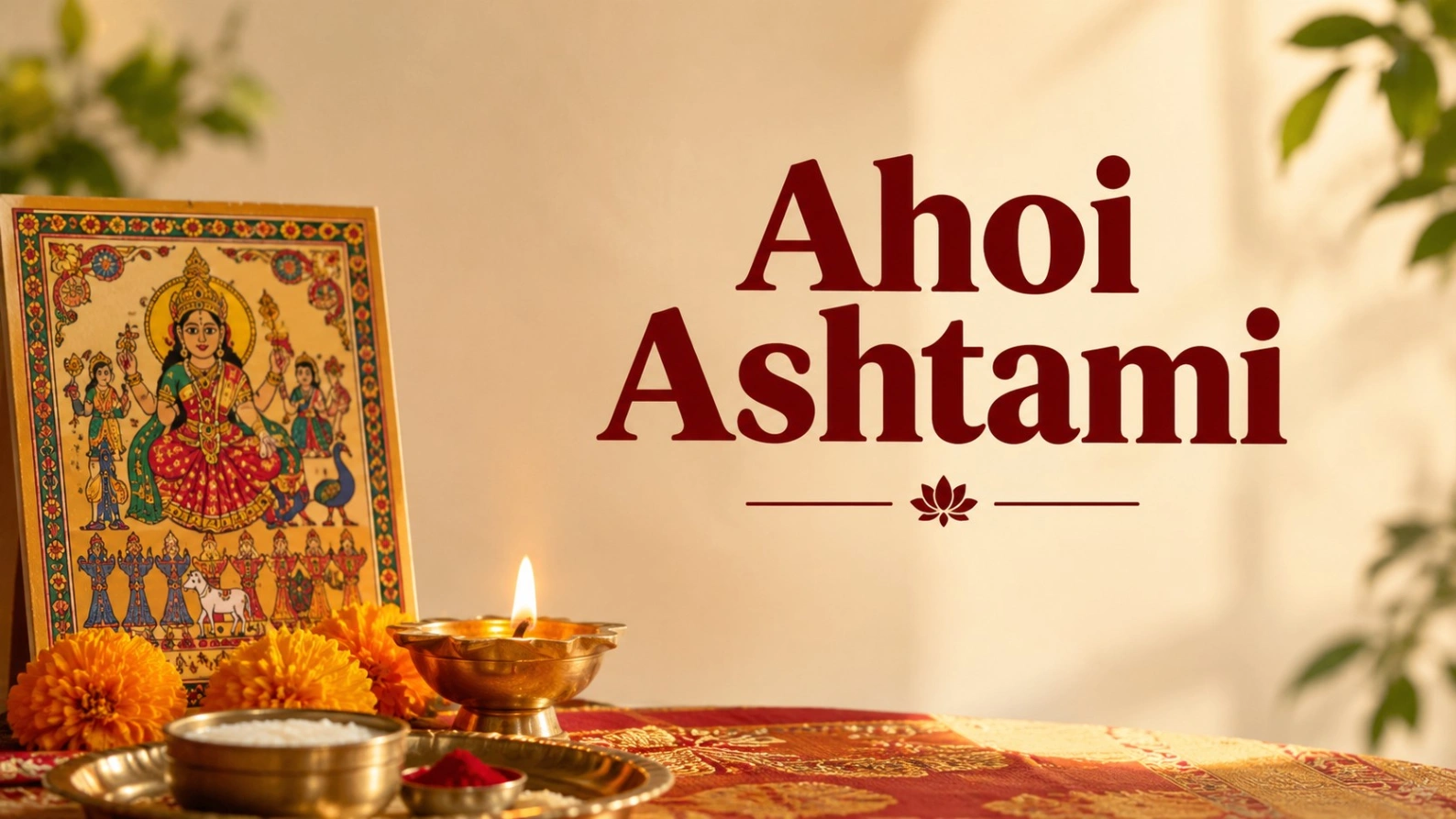
Ahoi Ashtami is an important Hindu festival observed by mothers who pray for the health, happiness, long life and prosperity of their children. The festival is dedicated to Ahoi Mata and is traditionally celebrated with fasting, evening prayers, the Ahoi Ashtami Vrat Katha and the sighting of stars.
If you are looking for Ahoi Ashtami 2026 date, puja muhurat, vrat vidhi, fasting rules and the significance of the festival, this guide covers everything you need to know to observe the day according to your family traditions.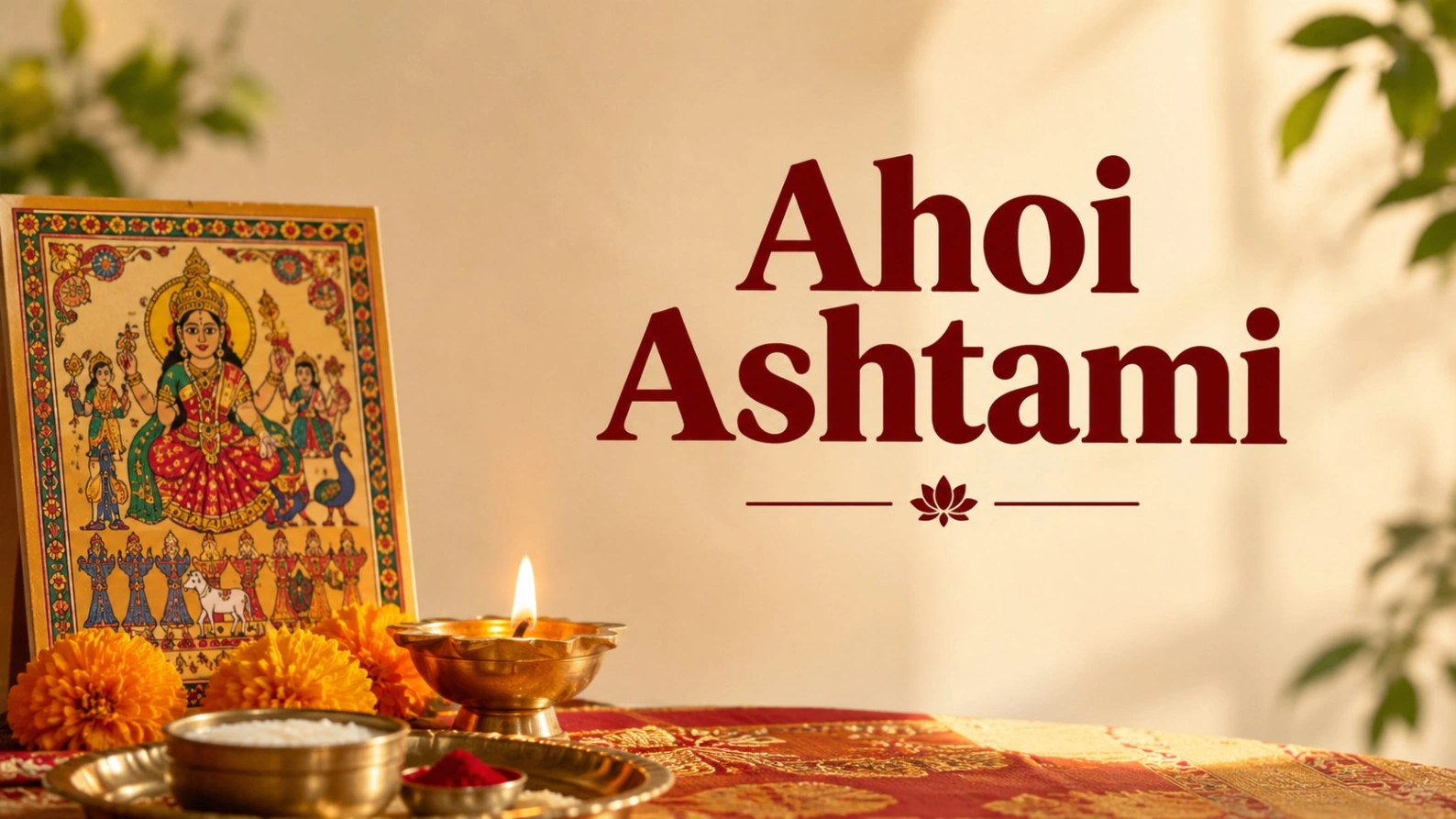
When Is Ahoi Ashtami in 2026?
Ahoi Ashtami 2026 will be celebrated on Sunday, 1 November 2026. It falls on the Ashtami Tithi of Krishna Paksha in the Hindu month of Kartik, according to the North Indian calendar.
Mothers traditionally observe this fast to pray for their children's well-being. The day is particularly popular in North India and is observed approximately four days after Karwa Chauth and eight days before Diwali.
According to Drik Panchang, the date and timings for New Delhi are as follows:
Event | Date and time |
|---|---|
Ahoi Ashtami 2026 | Sunday, 1 November 2026 |
Ashtami Tithi begins | 2:51 PM, 1 November |
Ashtami Tithi ends | 1:10 PM, 2 November |
Ahoi Ashtami Puja Muhurat | 5:36 PM to 6:54 PM |
Approximate star-sighting time | 6:00 PM |
Moonrise | 11:40 PM |
All timings are in Indian Standard Time (IST) for New Delhi. Puja muhurat, star-sighting time and moonrise may vary by location. Check a local panchang before performing the puja.
What Is the Significance of Ahoi Ashtami?
Ahoi Ashtami represents a mother's love, faith and prayers for her children's well-being. On this day, devotees worship Ahoi Mata and seek blessings for the health, happiness, protection and prosperity of their families.
The festival is associated with devotion, responsibility and the importance of family relationships. Mothers observe the vrat as a spiritual expression of their hopes and wishes for their children's future.
Traditionally, the fast was associated primarily with the well-being of sons. Today, many families observe Ahoi Ashtami for the well-being of all children, regardless of gender.
The festival also encourages people to pause from their daily routines and spend time in prayer, reflection and family traditions. For many households, the evening puja becomes a meaningful opportunity to pass cultural values from one generation to the next.
Design Your Destiny
Begin Your Journey Within Festivals offer an opportunity to pause, reflect and reconnect with what truly matters in life. But lasting change begins when we understand our thoughts, habits and choices. Discover **Design Your Destiny** and explore how greater self-awareness can help you approach life with clarity, purpose and responsibility. Take the first step towards creating a more conscious and meaningful life
Start Your Journey Today!Ahoi Ashtami 2026 Puja Vidhi: Step-by-Step Rituals
The Ahoi Ashtami puja is generally performed in the evening. Rituals may differ between families and regions, so devotees can follow their customary practices.
1. Clean the Puja Area
Begin by cleaning the house and preparing a dedicated space for worship. Place a clean cloth on a small platform and arrange the puja items.
Common items include a picture or drawing of Ahoi Mata, a diya, roli, rice grains, flowers, water, sweets and other offerings used in your family's tradition.
2. Observe the Ahoi Ashtami Vrat
Many women begin the fast in the morning and continue until the prescribed evening worship and star-sighting ritual. Some observe a nirjala vrat, while others follow a modified fast according to their health and family customs.
The form of fasting is a personal and traditional choice. Pregnant women, people with medical conditions and anyone who may be adversely affected by fasting should seek appropriate medical advice rather than undertake a strict fast.
3. Prepare an Image of Ahoi Mata
Traditionally, devotees draw an image of Ahoi Mata on a wall or prepare a sacred image for the puja. Some representations include symbols associated with the traditional Ahoi Ashtami story.
If drawing an image is not practical, a printed picture or framed image may be used according to family practice.
4. Perform the Evening Puja
Light a diya and offer flowers, roli, rice and other customary items to Ahoi Mata. Sit calmly and pray for the well-being, happiness and prosperity of your children.
Offerings and the order of rituals may vary. Follow the practice traditionally observed in your household or the guidance of a knowledgeable priest.
5. Listen to or Recite the Ahoi Ashtami Vrat Katha
The Ahoi Ashtami Vrat Katha is an important part of the observance. Devotees listen to or recite the story to remember the values of devotion, repentance, faith and divine grace associated with the festival.
Family members may gather during the evening to participate in the narration and prayer.
6. Offer Prayers to the Stars
In many traditions, women offer prayers after sighting stars in the evening. Water may be offered as part of the customary ritual, and devotees pray for their children's long life and well-being.
Star-sighting time depends on the city, weather and visibility. If the sky is cloudy, follow your family's customary guidance rather than relying on a single universal time.
7. Complete the Vrat
After completing the customary worship and star-sighting ritual, devotees conclude their fast according to their family traditions. Some traditions involve sighting the moon instead, although moonrise can occur much later.
The exact sequence of concluding the fast can differ between households.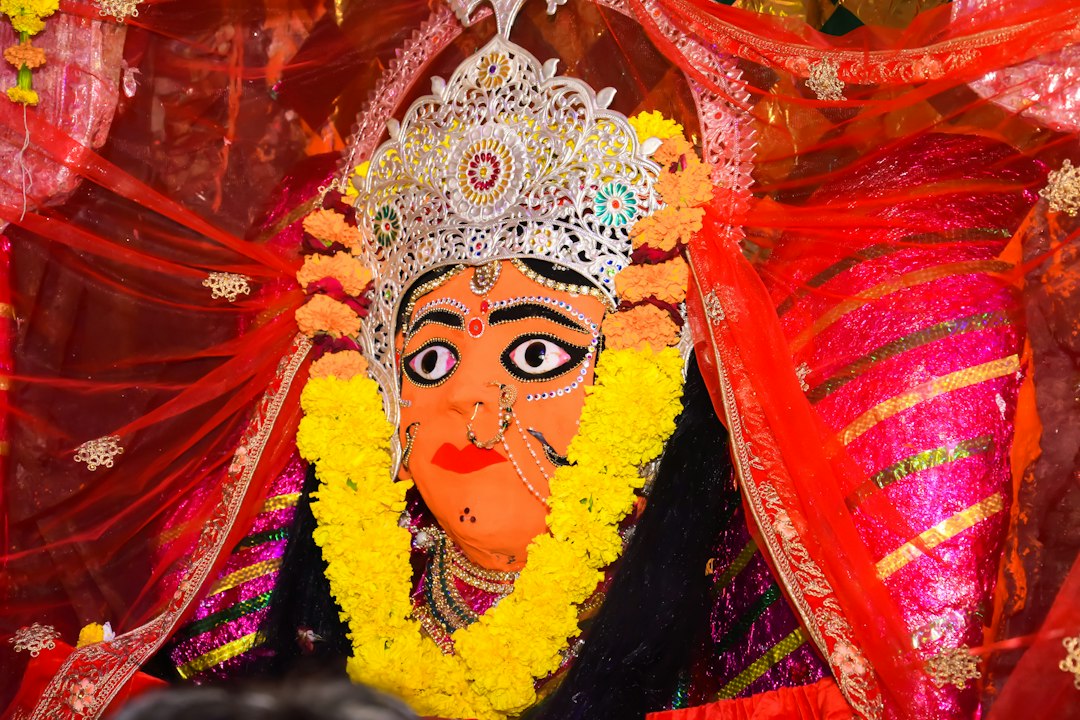
Ahoi Ashtami Vrat Katha: The Traditional Story
The Ahoi Ashtami Vrat Katha is commonly associated with a woman who accidentally harms the young of a wild animal while digging in the forest. In many versions, the animal is described as a porcupine.
Following the incident, the woman experiences the consequences of her actions through a curse or the loss of her children, depending on the version of the story. Filled with sorrow and regret, she seeks forgiveness and prays with deep devotion.
Moved by her sincere repentance and faith, divine grace eventually brings relief from her suffering. The story is remembered during Ahoi Ashtami to emphasise devotion, compassion, accountability and the importance of seeking forgiveness.
There are regional variations of the katha, and details may differ in oral and written traditions. Devotees generally listen to the version followed by their family or community.
The central message is that sincere prayer and reflection can inspire a person to acknowledge mistakes, cultivate compassion and renew their commitment to doing good.
How to Stay Calm in Stressful Situations:12 Simple Technique
What Are the Fasting Rules for Ahoi Ashtami?
Ahoi Ashtami fasting practices vary according to regional and family traditions. The following points describe common customs rather than universal requirements.
Begin with a personal resolve: Many devotees begin the day with a prayer and an intention to observe the vrat.
Choose a suitable fasting method: Some observe a strict fast, while others consume permitted foods or water.
Perform the evening puja: Worship Ahoi Mata and participate in the vrat katha according to customary practice.
Offer prayers to the stars: Many devotees conclude the fast after the evening star-sighting ritual.
Follow your family's tradition: Ritual details, offerings and the exact method of breaking the fast can differ.
A strict fast is not necessary for everyone. Health, age, pregnancy, medication and other individual circumstances should be taken into account.
What Food Is Prepared on Ahoi Ashtami?
Food traditions on Ahoi Ashtami differ across households and communities. Some families prepare puri, halwa, sweets or other festive dishes as offerings or as part of the meal after the fast.
Common preparations may include:
Puri and halwa
Homemade sweets
Seasonal fruits
Traditional vegetarian dishes
Water or other permitted drinks, depending on the fasting practice
There is no single menu followed by every family. The food prepared depends on regional customs, personal preferences and the type of vrat observed.
Kali Chaudas vs Naraka Chaturdashi : Are They the Same ?
Difference Between Ahoi Ashtami and Karwa Chauth
Ahoi Ashtami and Karwa Chauth are both important Hindu fasting festivals observed by many married women, particularly in North India. However, they have different purposes and rituals.
Karwa Chauth is traditionally associated with prayers for a husband's long life and well-being. Ahoi Ashtami is primarily associated with prayers for the health, happiness and prosperity of children.
Karwa Chauth is commonly concluded after moonrise, while Ahoi Ashtami is often concluded after the evening star-sighting ritual. Both festivals involve devotion, fasting and family traditions, but their vrat kathas and specific observances differ.
Why Is Ahoi Ashtami Celebrated Before Diwali?
Ahoi Ashtami is observed during the festive period leading up to Diwali. In 2026, it falls on 1 November, while Diwali is celebrated later in the same week.
The festival is part of a broader season of Hindu observances that includes family gatherings, worship and preparations for Diwali. Its placement in the calendar also connects it with Karwa Chauth, which is observed a few days earlier.
Because Hindu festival dates follow the lunar calendar, their Gregorian dates change from year to year.
How Can You Celebrate Ahoi Ashtami Meaningfully?
Beyond the rituals, Ahoi Ashtami can be an opportunity to reflect on care, responsibility and the emotional well-being of children.
Families can make the day meaningful by spending quality time together, encouraging children to ask questions about cultural traditions and sharing the values behind the vrat katha.
Parents can also use the occasion to reflect on the importance of providing children with a safe, supportive environment in which they can learn, grow and develop confidence.
Faith and family customs can be practised alongside practical expressions of care, education, kindness and emotional support.
Ahoi Ashtami 2026 falls on Sunday, 1 November 2026. The festival is observed by devotees who pray to Ahoi Mata for the health, happiness and prosperity of their children.
The principal observances include preparing for the evening puja, worshipping Ahoi Mata, listening to the Ahoi Ashtami Vrat Katha and offering prayers after sighting the stars, according to family traditions.
If you are observing the festival this year, confirm the local puja muhurat and follow the customs practised in your household. Above all, let the occasion serve as a reminder of compassion, gratitude and the responsibility of nurturing the next generation.
Personal Session
Sometimes, taking a step back and looking at our lives from a different perspective can help us understand our challenges and choices more clearly. A personal session offers you an opportunity to explore your questions, reflect on your circumstances and work towards greater self-understanding. **Book a personal session** to begin a thoughtful conversation about your life, goals and personal growth. Take the time to understand yourself better and move forward with greater clarity.
Book Now
Read Latest Articles
Vaikunth Chaturdashi: Why Are Vishnu & Shiva Worshipped Together?
Bhai Dooj Date: Tilak Muhurat, Puja Time & Complete Vidhi
Frequently Asked Questions
When is Ahoi Ashtami in 2026?
Ahoi Ashtami will be observed on Sunday, 1 November 2026. It falls on the Krishna Paksha Ashtami of Kartik according to the North Indian calendar. Mothers traditionally observe the vrat and worship Ahoi Mata for the well-being, happiness and prosperity of their children.What is the Ahoi Ashtami 2026 puja muhurat?
For New Delhi, the Ahoi Ashtami 2026 puja muhurat is 5:36 PM to 6:54 PM on 1 November. The approximate star-sighting time is 6:00 PM. These timings are location-specific, so devotees should check a local panchang for their city.When does Ahoi Ashtami Tithi begin and end in 2026?
For New Delhi, the Ashtami Tithi begins at 2:51 PM on 1 November 2026 and ends at 1:10 PM on 2 November 2026. Festival observance and puja timings depend on the applicable lunar-calendar rules.Why do mothers observe Ahoi Ashtami vrat?
Mothers traditionally observe Ahoi Ashtami vrat to pray for their children's health, long life, happiness and prosperity. The festival is dedicated to Ahoi Mata and is associated with devotion, family well-being and the traditional Ahoi Ashtami Vrat Katha.Can Ahoi Ashtami vrat be observed without fasting?
Fasting practices vary by family, and a strict fast is not suitable for everyone. Devotees may follow a modified observance according to their health and customary practice. Anyone who is pregnant, unwell or managing a medical condition should seek medical advice before undertaking a strict fast.What is the Ahoi Ashtami Vrat Katha?
The Ahoi Ashtami Vrat Katha is a traditional story associated with a woman who accidentally harms an animal's young and later experiences suffering. Through repentance and sincere devotion, she seeks divine grace. The story is commonly recited to emphasise faith, compassion, accountability and forgiveness.