
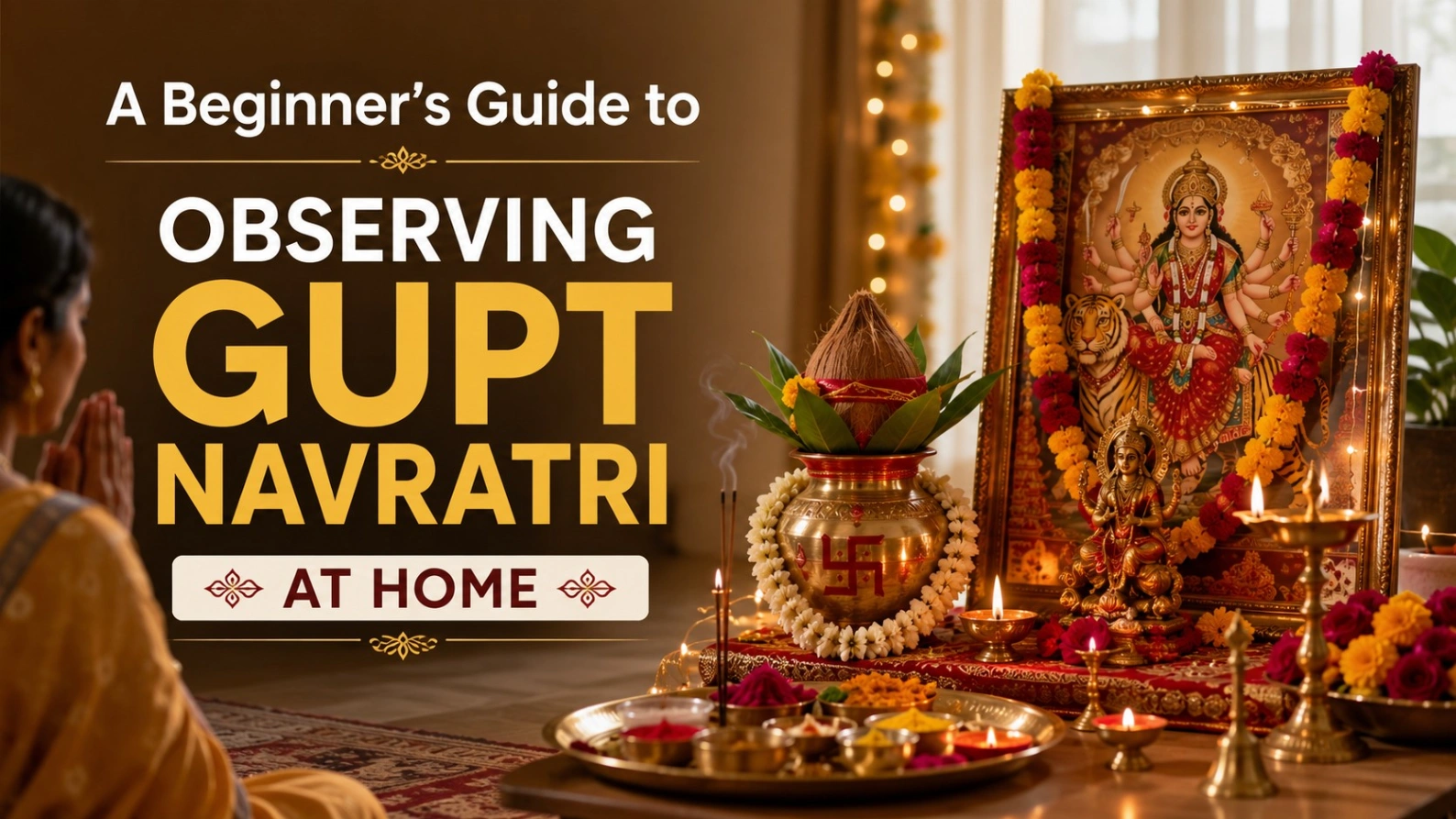
Gupt Navratri at home can be observed with sincerity, discipline and simple daily worship. You do not need elaborate arrangements or advanced spiritual knowledge to begin. For a first-time devotee, the purpose is to turn the mind towards Maa Durga through prayer, self-reflection and inner purification.
Ashadha Gupt Navratri 2026 began on Wednesday, July 15. Panchang-based calendars place the concluding Navami and parana observances on or around July 23, although individual tithis and puja timings can vary by city. Devotees should therefore check a reliable local panchang before fixing the Gupt Navratri puja muhurat or ghatasthapana time.
What Is Gupt Navratri?
The word “gupt” means hidden, private or secret. Unlike Chaitra Navratri and Sharadiya Navratri, which are celebrated publicly through community events and large gatherings, Gupt Navratri is traditionally associated with quieter worship, personal discipline and inward spiritual practice.
Gupt Navratri is observed twice a year, during the Hindu lunar months of Magha and Ashadha. The Ashadha Gupt Navratri generally falls during June or July, while Magha Gupt Navratri is observed earlier in the year. significance lies in turning away from outward display and towards inner transformation. Many devotees worship Maa Durga, follow a satvik lifestyle and maintain a personal sankalp. Some traditions also associate this period with the Das Mahavidya, but advanced tantric sadhana should not be attempted casually by beginners. ers Observe Gupt Navratri?
Yes, beginners can observe Gupt Navratri through simple devotion. A person does not have to perform complicated ceremonies, undertake a strict fast or know difficult mantras. A clean prayer space, lamp, flowers, water, fruit and sincere prayer are enough.
Choose a manageable practice that you can continue throughout the festival, such as lighting a diya, chanting a simple Durga mantra, reading the Durga Chalisa and meditating briefly.
The purpose is not to perform the most elaborate Gupt Navratri puja. The purpose is to remain sincere, consistent and conscious throughout the sacred period.
Design Your Destiny
Your destiny is not shaped only by circumstances, but also by your thoughts, choices and inner awareness. Join the Design Your Destiny program to understand your deeper patterns, develop clarity and consciously create a more purposeful, peaceful and fulfilling life. Begin your journey of inner transformation today.
Start Your JourneyPreparing to Observe Gupt Navratri at Home
Before beginning the Gupt Navratri puja at home, clean the area where you plan to worship. Choose a quiet corner and place a clean cloth on a small table or altar.
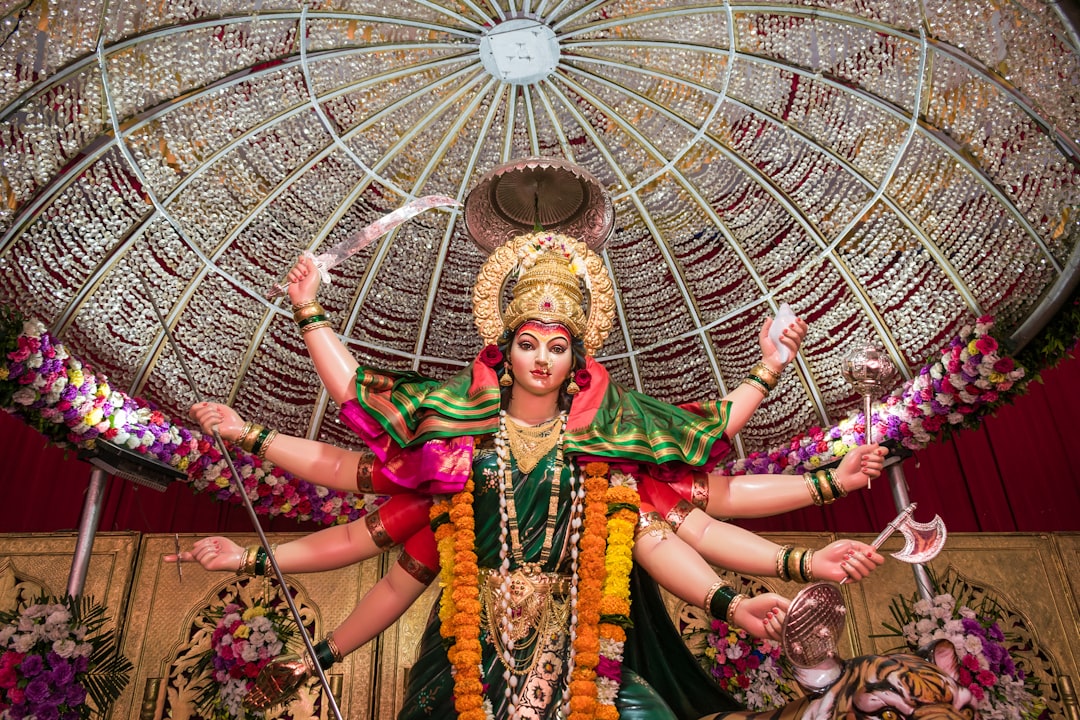
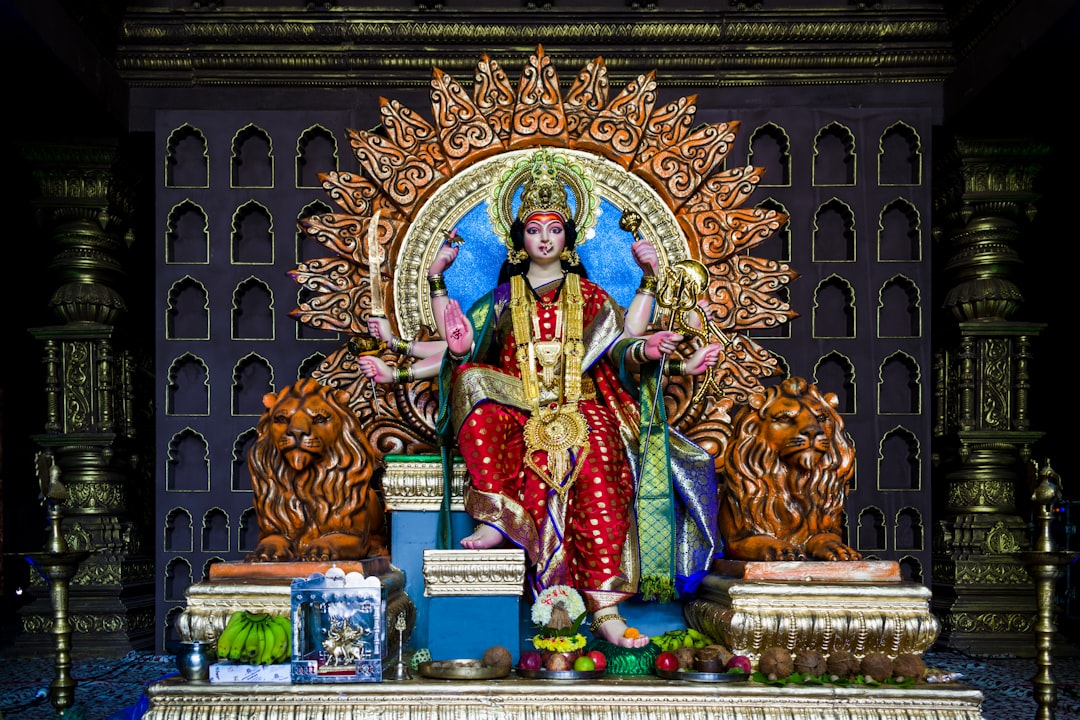
You may keep an image or murti of Maa Durga, a diya, incense, fresh flowers, a small vessel of water and seasonal fruit. Keep the prayer area clean and peaceful throughout the observance.
Decide on a realistic sankalp in advance, such as praying daily, speaking consciously and maintaining a satvik routine.
Your sankalp does not have to involve a difficult fast or several hours of worship. A simple commitment that you can follow sincerely is better than a demanding promise that you may be unable to complete.
Gupt Navratri Ghatasthapana and Kalash Sthapana
Ghatasthapana, also known as kalash sthapana, marks the ceremonial beginning of Navratri worship. In 2026, the New Delhi panchang placed Ashadha Gupt Navratri ghatasthapana on July 15 during Pratipada Tithi. Exact timings differ according to location, sunrise and the local panchang. home observance, place a clean kalash filled with water near Maa Durga’s image and decorate it according to your family tradition. If you have never performed ghatasthapana, seek guidance from a trusted priest.
Some families place mango leaves and a coconut over the kalash. Others sow barley in a small container of soil. These customs may vary between families and regions.
If you cannot establish a kalash, you may still observe Gupt Navratri through prayer, mantra chanting and disciplined conduct.
Simple Gupt Navratri Puja Vidhi for Beginners
Begin your Gupt Navratri puja by bathing and wearing clean clothes. Sit quietly before the altar and take a few slow breaths. Light a diya and incense, provided it is safe to do so.
Offer water, flowers and fruit to Maa Durga. Close your eyes, express gratitude and state your sankalp mentally.
You may then chant the simple Durga mantra:
Om Dum Durgaye Namaha
You may repeat the mantra 11, 21 or 108 times according to your time and capacity. Beginners may also recite the Durga Chalisa, listen to a Durga aarti or read a short passage from a trusted spiritual text.
Conclude with a silent prayer for wisdom, courage and the welfare of others. Share the offered fruit with your family as prasad.
This simple Gupt Navratri puja vidhi can be followed daily. Morning or evening worship is suitable, depending on your responsibilities. Consistency matters more than following an inconvenient schedule.
A Practical Gupt Navratri Daily Routine
Begin your day by bathing, cleaning the prayer space and offering fresh water or flowers to Maa Durga. Light the diya and chant your selected Gupt Navratri mantra.
Spend five to fifteen minutes reading, praying or meditating. Beginners do not need to sit for hours. A short period of focused prayer is more valuable than a long ritual performed with distraction.
During the day, remain mindful of your speech and behaviour. Patience, truthfulness, restraint and kindness are also forms of spiritual discipline.
In the evening, offer a short prayer and reflect on where you could respond more consciously the next day.
This combination of prayer, self-observation and disciplined action makes Gupt Navratri relevant to everyday life.
Gupt Navratri Fasting Rules
There is no single method of fasting that suits every devotee. Some people observe a complete fast, some consume fruits and milk, some eat one satvik meal, while others simply avoid certain foods.
Choose a form of Gupt Navratri vrat that is safe for your health and practical for your daily responsibilities.
Common Gupt Navratri vrat food includes fruits, milk, curd, nuts, potatoes, sabudana, kuttu, singhara and sama rice. Many devotees use sendha namak instead of regular salt, although household traditions differ.
Pregnant, elderly or unwell people, and those taking medication or managing diabetes, should avoid restrictive fasting without medical guidance. A satvik diet and mindful eating are meaningful alternatives.
Traditionally, devotees are encouraged to avoid alcohol, meat and tamasic food while also controlling anger, dishonesty and harsh speech. ld never be measured by physical suffering. A simple, healthy fast followed with peace is more meaningful than a severe fast that harms the body.
What to Do During Gupt Navratri
Use these sacred days to simplify your routine. Keep your surroundings clean, eat fresh food, reduce unnecessary digital distractions and spend more time in prayer or self-study.
You may read the Durga Chalisa, listen to devotional music, chant a Durga mantra, meditate or maintain a gratitude journal.
Make charity or quiet service part of your observance by donating food or helping someone without seeking recognition.
You can also work on an inner habit, such as controlling anger, reducing gossip, becoming more patient or speaking more respectfully. Gupt Navratri rituals become more meaningful when they lead to visible improvement in daily behaviour.
What Not to Do During Gupt Navratri
Do not treat Gupt Navratri as a shortcut for instant success, supernatural power or immediate fulfilment of every desire.
Avoid copying complicated rituals from random videos or social media posts. Traditional guidance commonly advises beginners not to attempt tantric practices or advanced Mahavidya sadhana without guidance from a qualified guru. fasting merely because others are doing it, and do not judge how another person observes the festival.
Do not become so focused on ritual accuracy that you lose peace of mind. Clean intention, respectful worship and disciplined conduct are more important than outward display.
If you take a sankalp, keep it realistic. It is better to complete a simple daily prayer than to promise hours of worship and abandon the practice midway.
Gupt Navratri and Das Mahavidya
The ten Mahavidyas are traditionally known as Kali, Tara, Tripura Sundari, Bhuvaneshwari, Bhairavi, Chhinnamasta, Dhumavati, Bagalamukhi, Matangi and Kamala.
Gupt Navratri is associated in several traditions with Das Mahavidya worship, particularly among initiated and experienced spiritual practitioners. nners should not feel that they must perform Mahavidya sadhana to receive the spiritual benefits of Gupt Navratri.
For ordinary home worship, praying to Maa Durga with a simple mantra, aarti or Durga Chalisa is sufficient.
Can Gupt Navratri Be Observed Without Fasting?
Yes, Gupt Navratri can be observed without fasting. Fasting is a spiritual aid, not the only form of devotion.
You may follow a normal vegetarian diet while avoiding overeating, highly processed food and habits that disturb mental clarity. You can dedicate the festival to prayer, meditation, charity and disciplined conduct.
A person who cannot fast for health, work or personal reasons should not feel guilty. The deeper purpose of Gupt Navratri is inner steadiness and devotion.
How to Conclude Gupt Navratri
On the final day, perform your regular prayer and thank Maa Durga for the opportunity to observe the festival. Offer flowers, fruit or a simple homemade preparation as prasad.
Some families perform kanya pujan, havan or special recitation according to their traditions. These practices are optional for beginners.
If you observed a formal fast, complete the parana at the appropriate time according to your local panchang. In 2026, sources place the concluding observances around July 23, but local tithi timings should be checked before breaking a sankalp-based fast. vratri ends, retain one positive habit, such as morning prayer, weekly charity or daily mantra chanting.
Observing Gupt Navratri at home does not have to be complicated. Begin with a clean prayer space, a simple mantra and an honest spiritual intention.
Follow a manageable puja routine, eat mindfully, maintain respectful conduct and avoid spiritual practices that require specialised initiation.
For beginners, devotion should feel grounding rather than frightening or burdensome. Gupt Navratri offers an opportunity to turn inward, recognise unhelpful patterns and reconnect with the courage and wisdom represented by Maa Durga.
When worship is performed with sincerity, consistency and humility, even a simple Gupt Navratri home puja can become deeply meaningful.
Personal Session
Are you seeking clarity about your spiritual journey, relationships, career or life direction? Book a personal session for individual guidance tailored to your questions and present challenges. Take the first step towards greater awareness, emotional balance and purposeful action.
Book Now