India is a land of ancient traditions, sacred festivals, and spiritual celebrations that connect millions of people with their faith. Among these, the Jagannath Rath Yatra holds a special place as one of the most celebrated and spiritually significant festivals. Every year, millions of devotees gather in Puri, Odisha, to witness the divine journey of Lord Jagannath, Lord Balabhadra, and Goddess Subhadra as they come out of the temple and travel on magnificent chariots.
The Puri Jagannath Rath Yatra is not just a religious procession; it is a celebration of devotion, equality, and the divine connection between God and devotees. Behind this grand festival lie many fascinating traditions, symbolic meanings, and ancient practices that many people are unaware of.
From the mystery behind the three giant chariots to the reason why Lord Jagannath leaves the temple to meet his devotees, every aspect of this festival carries a deeper spiritual message.
Let us explore 7 incredible facts about Puri Jagannath Rath Yatra that will amaze you and help you understand why this festival continues to inspire millions around the world.
1. Jagannath Rath Yatra Is One of the Oldest Chariot Festivals in the World
The history of Jagannath Rath Yatra dates back centuries and is deeply connected with the traditions of the ancient Jagannath Temple in Puri. The festival represents the annual journey of Lord Jagannath, along with his siblings Lord Balabhadra and Goddess Subhadra, from the main temple to the Gundicha Temple.
This journey is considered symbolic of the Lord coming closer to his devotees. Unlike many other temple traditions where devotees visit the deity inside the temple, during Rath Yatra, the deity comes outside so everyone can receive divine blessings.
The festival reflects the beautiful idea that spirituality is not limited to a particular place, community, or group. Lord Jagannath’s journey represents openness, compassion, and the belief that God belongs to everyone.
Design Your Destiny
Are you ready to understand the deeper purpose behind your life journey? Just like Lord Jagannath’s divine journey teaches us about faith, awareness, and transformation, your life also has a higher direction waiting to be discovered. Join the “Design Your Destiny” program and learn powerful spiritual practices to create clarity, inner strength, and a meaningful life aligned with your true self.
Start Your Journey Today!2. The Three Chariots Have Unique Names and Meanings
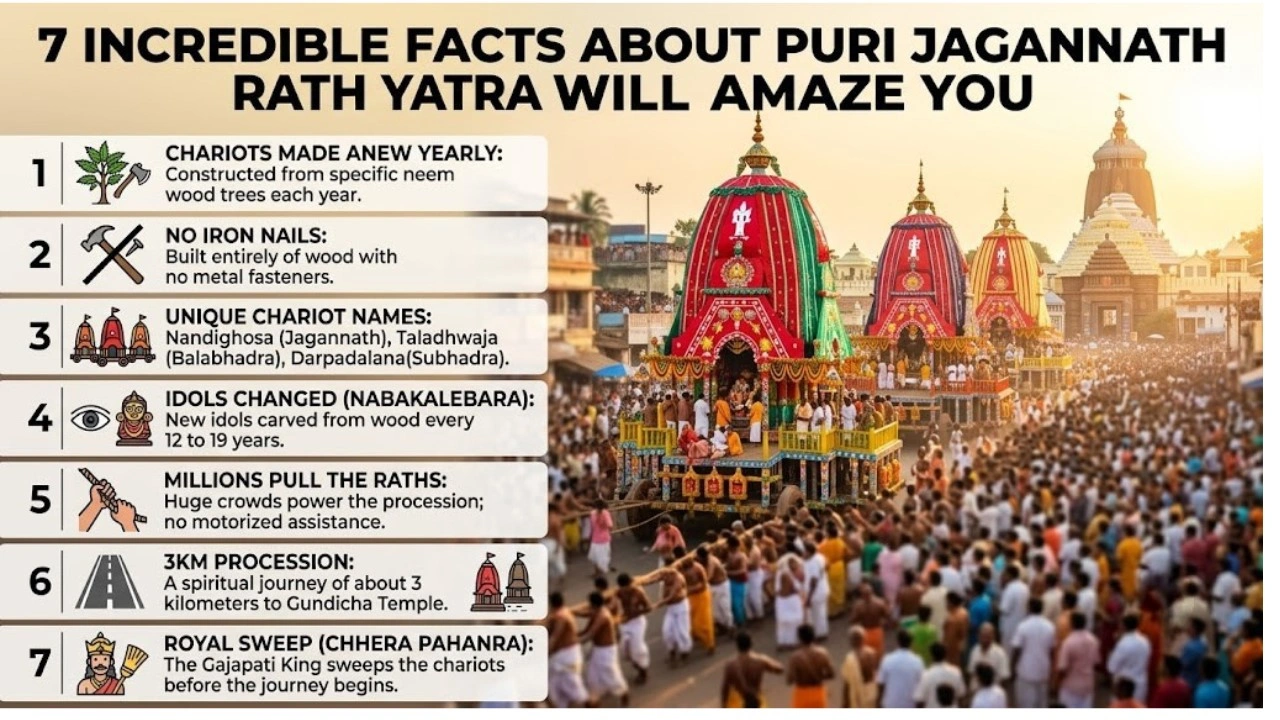
One of the most fascinating aspects of Puri Rath Yatra is the construction of three enormous wooden chariots for Lord Jagannath, Lord Balabhadra, and Goddess Subhadra.
Each chariot has a unique name and symbolism:
Lord Jagannath’s Chariot – Nandighosa
The chariot of Lord Jagannath is called Nandighosa. It is the largest among the three chariots and represents Lord Jagannath’s divine presence and universal consciousness.
Lord Balabhadra’s Chariot – Taladhwaja
Lord Balabhadra’s chariot is known as Taladhwaja. It represents strength, stability, and protection.
Goddess Subhadra’s Chariot – Darpadalana
Goddess Subhadra’s chariot is called Darpadalana, symbolizing humility and the removal of pride.
These three chariots are not merely vehicles for transportation; they carry deep spiritual symbolism representing different aspects of life and consciousness.
3. The Chariots Are Built Fresh Every Year
One of the most unique traditions of Jagannath Rath Yatra is that the chariots are newly constructed every year.
Skilled artisans, known as carpenters and craftsmen, follow traditional methods passed down through generations to build these massive wooden structures. The process begins according to sacred rituals, and no modern machinery replaces the traditional craftsmanship involved.
The yearly rebuilding of the chariots carries a profound spiritual message: everything in life is temporary, and every new beginning brings fresh energy and opportunities.
The tradition also shows the importance of preserving ancient skills, devotion, and cultural heritage.
4. Lord Jagannath Comes Out of the Temple to Meet Everyone
One of the most beautiful meanings behind Jagannath Rath Yatra is the idea that God comes closer to his devotees.
The name “Jagannath” means “Lord of the Universe.” During this festival, the Lord leaves the temple and travels among people, allowing everyone to experience his divine presence.
This tradition represents equality and inclusion. People from different backgrounds, regions, and communities come together during Rath Yatra with the same devotion.
The festival teaches that spirituality is not about differences but about unity, love, and devotion.
5. The Pulling of the Chariots Has Deep Spiritual Meaning
Millions of devotees participate in pulling the ropes of the chariots during the Puri Jagannath Rath Yatra. For devotees, this act is not just a physical activity but a spiritual experience.
Pulling the chariot represents surrendering oneself to the divine path. It symbolizes removing the ego and allowing faith to guide one’s journey.
Many devotees believe that participating in this sacred act brings blessings and creates a deeper connection with Lord Jagannath.
The powerful sight of thousands of people pulling the same chariot together also represents unity, cooperation, and collective devotion.
6. The Mystery Behind Lord Jagannath’s Unique Form
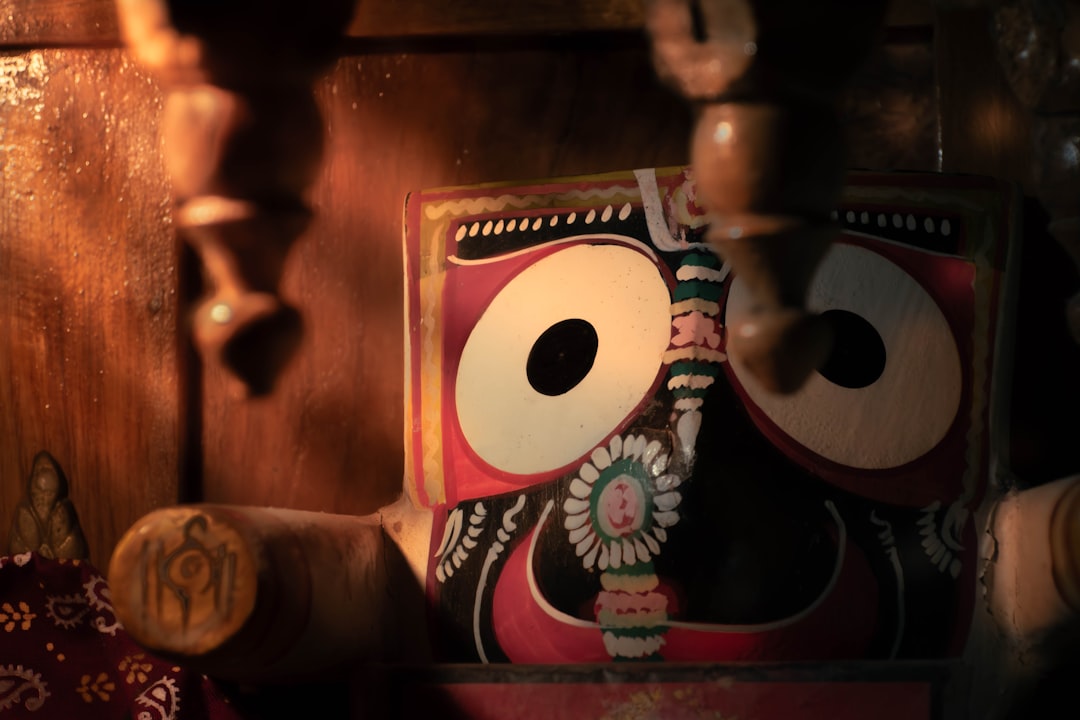
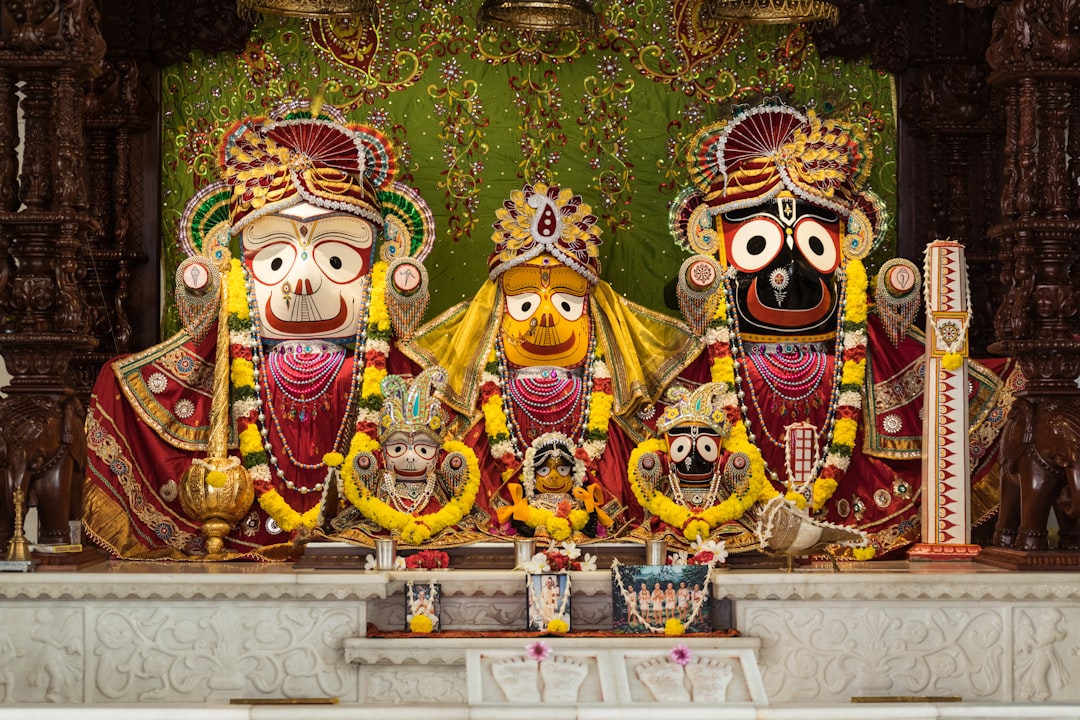
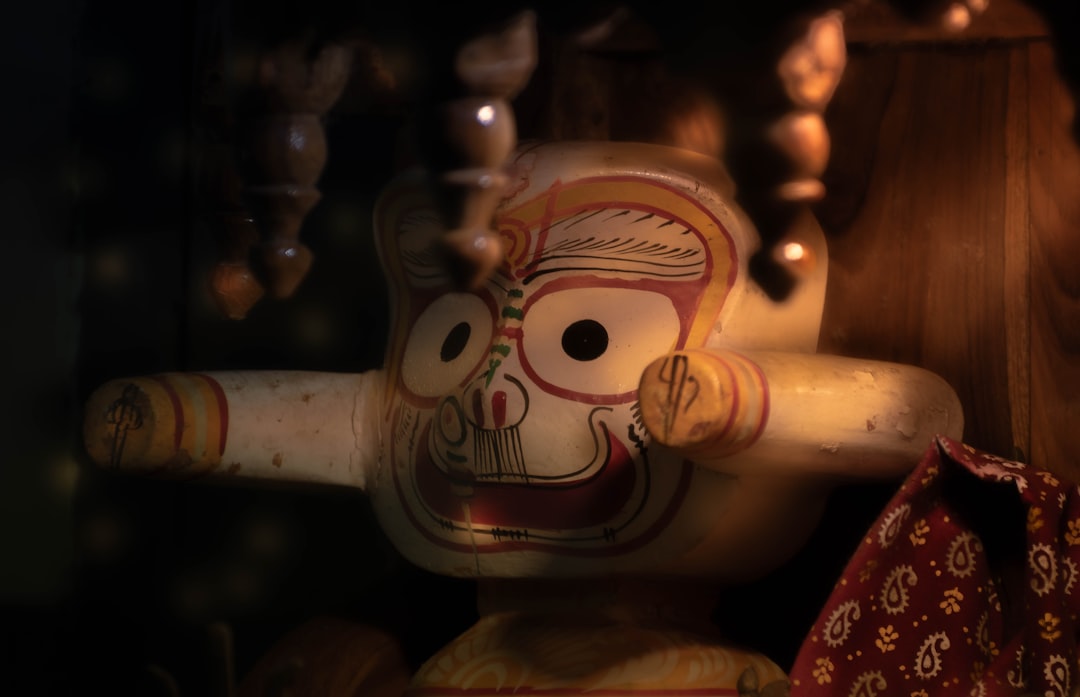
One of the most fascinating aspects of Lord Jagannath Rath Yatra is the unique appearance of Lord Jagannath, Lord Balabhadra, and Goddess Subhadra. Unlike traditional idols found in many temples, the deities at the Jagannath Temple have distinctive forms with large eyes and unfinished-looking wooden structures.
This unique representation has deep spiritual symbolism. The large eyes of Lord Jagannath are believed to represent universal awareness and his ability to watch over all beings with compassion.
The wooden form also reminds devotees that the divine cannot be limited to a particular shape or appearance. It represents the idea that God exists beyond human imagination and welcomes everyone with love and acceptance.
The tradition of worshipping Lord Jagannath in this unique form has continued for centuries, making the festival one of the most spiritually significant celebrations in India.
7. Jagannath Rath Yatra Connects Devotion With a Deeper Spiritual Message
Beyond the grand celebration, music, rituals, and thousands of devotees, the spiritual meaning of Jagannath Rath Yatra carries a powerful message about life.
The journey of Lord Jagannath from the temple to Gundicha Temple is often seen as a symbolic representation of the soul’s journey toward higher consciousness.
The chariot represents the human body, the horses represent energy and desires, and the journey represents the path of self-discovery.
The festival teaches important spiritual lessons:
Let go of ego and surrender to divine wisdom
Move forward with faith and devotion
Treat everyone with equality and compassion
Remember that the divine exists within all beings
The true essence of Rath Yatra is not only about witnessing the outer celebration but also understanding the inner transformation it inspires.
Why Is Jagannath Rath Yatra Celebrated?
Many people wonder, “Why is Jagannath Rath Yatra celebrated?”
The festival is celebrated to commemorate Lord Jagannath’s annual journey to the Gundicha Temple, which is considered the birthplace of his aunt, Queen Gundicha, according to traditional beliefs.
During this period, devotees get the rare opportunity to see the deities outside the temple. It is believed that receiving the Lord’s darshan during Rath Yatra brings spiritual blessings and divine grace.
The celebration also represents the idea that God reaches out to humanity. Instead of devotees only seeking God, the festival symbolizes God moving toward devotees with love and compassion.
This makes Puri Rath Yatra unique among religious festivals because it celebrates the direct connection between the divine and the human heart.
The History and Tradition Behind Puri Jagannath Rath Yatra
The Jagannath Temple Rath Yatra is deeply connected with the cultural and spiritual identity of Odisha. The temple of Lord Jagannath in Puri is one of the most revered pilgrimage destinations in India.
Every year, the festival follows a series of sacred rituals before the main chariot procession begins.
Some important traditions include:
Snana Yatra
Before the Rath Yatra, the deities participate in the ceremonial bathing festival known as Snana Yatra. After this ritual, the deities are believed to enter a period of rest before appearing again for the chariot journey.
Chariot Construction
The construction of the three chariots follows traditional methods. The craftsmen involved in this process continue skills that have been passed down through generations.
Rath Yatra Procession
The grand procession begins when the deities are brought from the temple and placed on their respective chariots. Thousands of devotees gather to witness this divine moment.
Bahuda Yatra
After staying at Gundicha Temple, the deities return to the Jagannath Temple in a return journey known as Bahuda Yatra.
Each ritual reflects devotion, discipline, and the preservation of ancient traditions.
What Makes Puri Rath Yatra Different From Other Festivals?
The Puri Jagannath Rath Yatra stands apart because it breaks traditional boundaries.
In many temples, devotees visit God inside the sanctum. However, during Rath Yatra, Lord Jagannath comes outside to meet everyone.
The festival welcomes people from different communities and backgrounds, creating an atmosphere of unity and devotion.
Another unique feature is the scale of the celebration. The sight of enormous decorated chariots moving through the streets of Puri, accompanied by devotional chants and millions of devotees, creates an unforgettable spiritual experience.
The festival is not only a religious event but also a celebration of India's ancient cultural heritage.
Lessons We Can Learn From Jagannath Rath Yatra
The Jagannath Rath Yatra spiritual lessons go beyond religious traditions. They offer valuable insights for modern life.
1. Everyone Is Equal Before the Divine
The festival reminds us that spirituality is beyond social differences. Every devotee has equal access to divine blessings.
2. Life Is a Journey
The movement of the chariots teaches us that life is constantly moving forward. We must continue our journey with faith and awareness.
3. Surrender Brings Peace
The act of pulling the chariot represents surrendering worries and trusting the divine path.
4. Unity Creates Strength
Thousands of people pulling the same chariot demonstrate the power of collective effort and harmony.
The Timeless Wonder of Jagannath Rath Yatra
The Jagannath Rath Yatra is much more than a grand festival. It is a celebration of devotion, unity, spirituality, and the eternal relationship between God and devotees.
The seven incredible facts about Puri Jagannath Rath Yatra reveal that every tradition, ritual, and symbol carries a deeper meaning. From the construction of the sacred chariots to Lord Jagannath’s journey among people, every aspect reflects ancient wisdom and spiritual values.
For centuries, this divine celebration has continued to inspire millions of people across the world. Whether someone experiences Rath Yatra physically in Puri or connects with it spiritually from afar, the message remains the same: faith, humility, love, and devotion can transform life.
Personal Session
Feeling confused, stuck, or searching for deeper clarity in life? A personal spiritual guidance session can help you understand your inner patterns, overcome limitations, and move toward greater peace and awareness. Book a personal session today and take the first step toward discovering your true potential and creating a life filled with purpose and balance.
Book Now