

Building habits isn’t about motivation— it’s about systems. If you’ve ever tried to build good habits but failed after a few days, you’re not alone. The truth is, most people don’t struggle with effort, they struggle with consistency.
In today’s fast-paced world, understanding how to build good habits that last is one of the most valuable skills you can develop. Whether your goal is productivity, health, or personal growth, your habits shape your life more than your goals ever will.
Let’s dive into 10 proven, science-backed ways to build habits that actually stick.
1. Start Small (Micro Habits Win Big)
One of the biggest mistakes people make in habit building is starting too big.
If you want to work out, don’t begin with 1 hour daily. Start with 5 minutes.
Small habits:
Reduce resistance
Build consistency
Create momentum
This is the foundation of habit building for beginners and leads to long-term success.
2. Focus on Identity, Not Just Goals
Instead of saying:
“I want to read daily”
Say:
“I am a reader”
This is called identity-based habits, and it’s one of the most powerful behavior change techniques.
When your habits align with your identity:
You don’t force consistency—you become consistent.
3. Use Habit Stacking
Habit stacking is simple:
Attach a new habit to an existing one.
Example:
After brushing → meditate for 2 minutes
After lunch → take a short walk
This works because your brain already recognizes the trigger.
It’s one of the easiest ways to create habits that stick.
4. Understand the Habit Loop
Every habit follows a loop:
Cue → Routine → Reward
This is the core of habit loop psychology.
Example:
Cue: Feeling bored
Routine: Scrolling social media
Reward: Dopamine hit
If you want to change habits:
Keep the cue and reward
Change the routine
Feeling stuck with your habits despite trying everything?
Sometimes, the real problem isn’t disciplineit’s deeper patterns, mindset blocks, and emotional habits that need guidance.
Book a Personal Session with Sakshi Shree
Discover a personalized path to break limiting patterns and build habits that truly align with your life.
Meet Sakshi Shree5. Make It Easy (Remove Friction)
If your habit feels hard, you won’t stick to it.
Want to read daily?
Keep a book near your bed
Want to exercise?
Keep workout clothes ready
The easier the habit, the more likely it becomes automatic.
This is key for:
how to stay consistent with habits
how to build habits without motivation
6. Track Your Habits
What gets tracked gets improved.
Use:
Habit trackers
Apps
Simple checklists
Tracking builds awareness and gives you a small sense of achievement.
This reinforces positive habits and helps you stay consistent.
7. Don’t Rely on Motivation
Motivation is unreliable.
Some days you’ll feel unstoppable.
Some days you won’t feel like doing anything.
That’s normal.
Instead, build systems:
Fixed time
Fixed place
Clear trigger
This is the secret behind how to stay consistent when unmotivated.
8. Reward Yourself
Your brain loves rewards.
Even small ones matter:
Watching a show after a workout
Coffee after completing a task
Rewards release dopamine, strengthening the habit loop.
This is why understanding dopamine and habits is important.
9. Expect Failure (But Don’t Quit)
Missing one day is okay.
Missing two days? That’s where habits break.
Rule:
Never miss twice
Failure is part of:
habit formation tips
why habits fail
Consistency beats perfection.
10. Build a Supportive Environment
Your environment shapes your behavior more than your willpower.
Examples:
Keep junk food out of sight
Surround yourself with disciplined people
Follow inspiring content
A strong environment reduces the need for discipline.
Why Most People Fail at Building Habits
Many people struggle with:
Lack of clarity
Unrealistic expectations
Over-reliance on motivation
Understanding why you can’t stick to habits helps you fix the root cause.
Remember:
Habits don’t fail— systems do.

Simple Daily Habits That Can Change Your Life
If you’re just starting, try these:
Drink water after waking up
5-minute meditation
10-minute reading
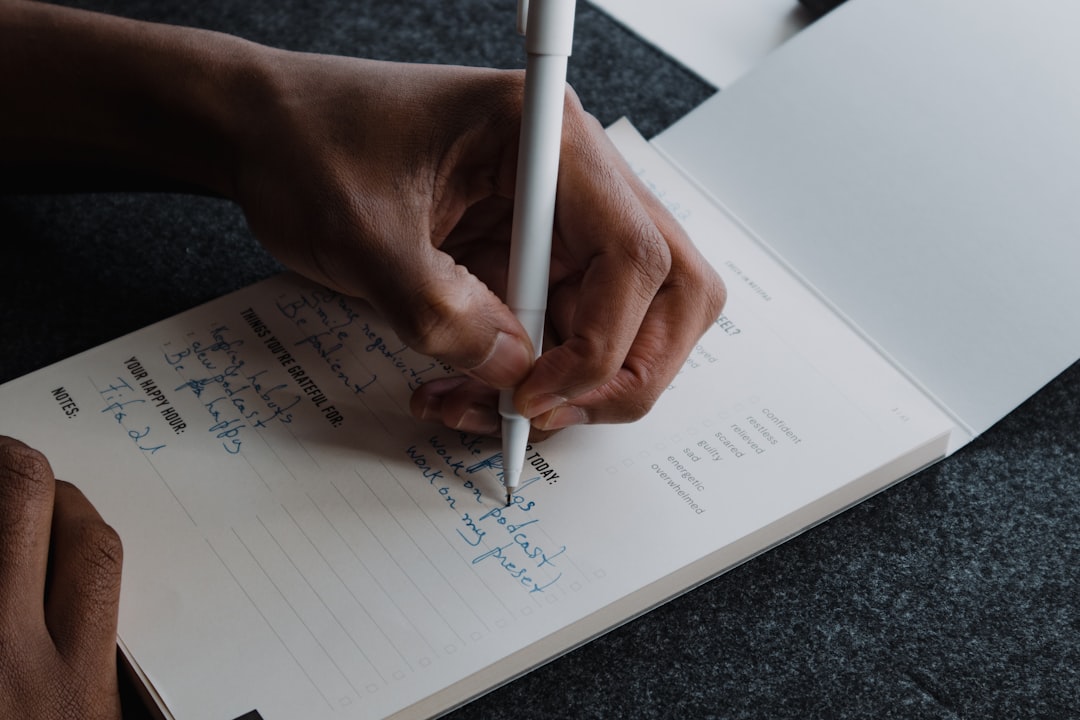
Daily gratitude journaling
These are small habits with big results.
Building habits is not about being perfect; it’s about being consistent.
When you understand:
The science of habit formation
The role of discipline vs motivation
The power of identity-based habits
You stop chasing results and start building systems.
And that’s when real transformation happens.
Ready to take control of your habits and design the life you truly want?
If you're serious about transforming your habits and mindset, don’t miss these powerful guides:
The Ultimate Guide to Breaking Bad Habits and Building Good Ones
Learn how to identify, break, and replace bad habits with positive, life-changing routines.
7 Powerful Daily Habits to Cultivate an Attitude of Gratitude and Inner Peace
Discover simple daily practices that can shift your mindset, reduce stress, and bring lasting peace.
Design Your Destiny
Learn how to build powerful habits, master your mindset, and create lasting success.
Begin Your Journey Today